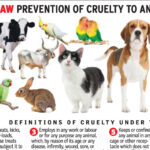
Animal cruelty is a pervasive issue that continues to plague societies around the globe. Despite its prevalence, laws designed to protect animals from inhumane treatment often appear to be ineffectual or inadequately enforced. Understanding the reasons behind this discrepancy is crucial in fostering a culture where animal welfare is prioritized, and where laws are not merely symbolic but act as a deterrent against cruelty.
At the crux of the problem lies the societal perception of animals. In many cultures, animals are often viewed as commodities or property rather than sentient beings deserving of moral consideration. This commodification is deeply ingrained in our economic systems and cultural narratives. When an animal is perceived merely as a possession, the ethical implications of harming that animal are diminished, leading to a lax attitude toward enforcing animal cruelty laws.
Moreover, many laws governing animal welfare tend to be patchy and inconsistent. In some jurisdictions, legal protections for animals are robust, while in others, they are alarmingly sparse. Inconsistency in legislation means that offenders can often evade serious repercussions for their actions. It is crucial to create a uniform standard for animal welfare laws that encompasses all creatures, regardless of species, to establish a clearer understanding of rights and protections.
Moreover, the prioritization of animal cruelty in the political arena is often overshadowed by more immediate human-centered issues. Legislators are often burdened with a multitude of priorities, and animal welfare can fall to the wayside in the face of pressing economic or social concerns. This neglect signals to the public that animal welfare is not a serious issue, further perpetuating a culture of indifference.
Furthermore, the psychological complexities surrounding animal cruelty are noteworthy. Many offenders exhibit a troubling nexus between violence against animals and later violent behavior towards humans. This correlation raises critical questions about compassion and empathy in society. The desensitization to cruelty evident in various forms of media—where violence against animals is often sensationalized without condemnation—can contribute to societal apathy. People become accustomed to viewing animal suffering as entertainment rather than recognizing it as a serious ethical dilemma.
In addition, witnessing animal cruelty often paralyzes witnesses rather than prompting action. Many individuals who observe acts of violence against animals feel helpless or uncertain about how to intervene or report the incident. They may contemplate the risk of legal repercussions for themselves or question the efficacy of reporting such acts, fearing that nothing will be done. This bystander effect exacerbates the problem, enabling cruelty to persist unchecked. It is crucial to cultivate a community ethos where intervention is encouraged, and where individuals are educated about the importance of reporting acts of cruelty.
Education plays a pivotal role in altering social attitudes toward animal welfare. There is an urgent need for comprehensive educational programs that promote empathy and the intrinsic value of all living beings. These programs should target young individuals, teaching them about responsible pet ownership, the importance of humane treatment, and the consequences of neglect and abuse. Shifting perceptions among the youth can foster a generation that actively advocates for animal rights and welfare.
Advocacy plays an equally critical role in combatting animal cruelty. Grassroots organizations have made significant strides in bringing awareness to animal rights issues, but their efforts often face significant obstacles. Funding constraints limit the scope of their activities. Without a robust financial foundation, these organizations struggle to implement large-scale campaigns that could drive substantial legislative change. Additionally, public awareness campaigns often lack the attention and resources dedicated to other pressing societal issues. Increasing funding and visibility for animal rights organizations can amplify their message and result in more concrete action against cruelty.
Another factor contributing to the complacency surrounding animal cruelty laws is the hesitance of the judiciary in handing down stringent penalties. Animal cruelty laws often carry lenient sentences, akin to minor misdemeanors rather than serious felonies. This creates the perception that animal cruelty is not a significant issue worthy of strong legal repercussions. A stronger legal framework with harsher penalties could serve as a more effective deterrent against offenders, signaling a societal shift towards zero tolerance for cruelty.
The media also plays a complicating role. While sensationalist portrayals of animal suffering can draw attention, they often fail to convey the gravity of the laws designed to protect these creatures. Media coverage often focuses on isolated incidents rather than systemic issues, thereby failing to catalyze the widespread change that is necessary. A more nuanced approach to animal welfare in the media can help inform the public about the realities of animal cruelty and the importance of legal protections.
Ultimately, transforming the state of animal cruelty laws requires a multifaceted approach. It necessitates consistent education, robust legislative change, increased advocacy, and a societal shift in perception. Only through concerted efforts can animal welfare be elevated to a position of importance commensurate with its ethical and moral standing. The time for action is now; society must demand accountability, legislative integrity, and a firm commitment to eradicating cruelty against animals. Only then can we hope to foster a more compassionate world, free from needless suffering and injustice.