In recent years, there has been a significant shift in societal perspectives regarding animal rights and welfare. The journey toward establishing federal laws to protect animals from cruelty has been both arduous and enlightening. One of the pivotal moments in this ongoing battle was the passage of a bill that redefined animal cruelty as a federal felony. This pivotal legislation has garnered widespread attention, becoming a beacon of hope for animal advocates nationwide. The following detailed timeline and discussion of key supporters will elucidate the complex tapestry of this crucial legislative undertaking.
Timeline of Legislative Action
The genesis of federal legislation addressing animal cruelty can be traced back to the early 2010s when awareness around the issue began gaining traction across the United States. Although many states had laws against animal abuse, a unified federal standard was conspicuously absent. The Animal Crush Video Prohibition Act of 2010 was one of the first attempts to tackle this issue at the federal level. It sought to prohibit the creation and distribution of videos depicting animal cruelty, signaling a growing concern among legislators.
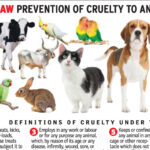
Fast forward to 2019, the House of Representatives weighed in on the matter once again. By this time, public outcry against animal cruelty had reached a fever pitch, bolstered by a plethora of viral videos that showcased the deplorable treatment of animals. In response to this escalating concern, Representatives Vern Buchanan and Ted Deutch introduced the Preventing Animal Cruelty and Torture (PACT) Act. This legislation aimed to outlaw animal cruelty, establishing stringent penalties, including felony charges for those violating these laws.
As the bill made its way through Congress, it garnered bipartisan support, a rarity in today’s polarized political climate. The House passed the PACT Act on October 22, 2019, in an impressive show of unanimity, reflecting a collective recognition of the moral imperatives at stake.
The bill’s next important milestone occurred in the Senate. On November 5, 2019, the Senate reviewed and subsequently passed the PACT Act without opposition. The swift passage through both chambers underscored an unprecedented consensus, illuminating a shared value system that prioritizes the humane treatment of animals.
On November 25, 2019, President Donald Trump signed the PACT Act into law, officially designating animal cruelty as a federal felony. This legislative change marked a seismic shift in the protection of animals under U.S. law. The legal ramifications entail that individuals found guilty of severe animal abuse could face fines and imprisonment for up to seven years.
Key Supporters and Advocates
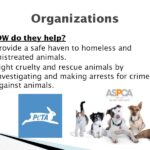
The success of the PACT Act can be attributed, in large part, to a collective of passionate advocates, organizations, and legislators who rallied support for the cause. Animal welfare organizations played a crucial role in amplifying the message surrounding the need for stronger protective measures. Groups such as the Humane Society of the United States, the American Society for the Prevention of Cruelty to Animals (ASPCA), and Best Friends Animal Society mobilized resources and public sentiment toward animal protection.
Prominent politicians also emerged as key figures in this legislative saga. Representatives Vern Buchanan and Ted Deutch exemplified bipartisan cooperation, effectively working across party lines to champion animal rights. Their unwavering dedication to the cause served as a rallying point, giving voice to a growing societal demand for reform.
The PACT Act also found support among various celebrities and public figures who utilized their platforms to bring awareness to animal cruelty. Influencers from diverse sectors, including sports, entertainment, and social media, leveraged their audiences to foster a culture of compassion toward animals. Their advocacy created an accessible narrative that resonated with constituents and facilitated greater public understanding of the issue.
Additionally, numerous grassroots movements contributed integral momentum to the legislative effort. Local activists, volunteers, and citizens organizing rallies, petitions, and awareness campaigns helped galvanize public support. This grassroots engagement proved essential in amplifying the urgency of the matter, ensuring that politicians took notice of their constituents’ ardent calls for change.
The Significance of the PACT Act
The passage of the PACT Act signifies an important cultural transition toward understanding animal welfare as a societal responsibility. It encapsulates a growing acknowledgment that ethical treatment and protection of animals are not merely niceties but fundamental rights that demand safeguarding. The repercussions of the Act extend well beyond legal penalties; it sets a precedent indicating that animal cruelty will not be tolerated in society.
While the PACT Act marks a monumental achievement, the fight against animal cruelty continues. Advocacy efforts remain essential to ensure that the law is enforced and that further measures are implemented to amplify animal protection across the nation. Understanding the timeline of this legislative journey reveals an inspiring narrative of cooperation, compassion, and relentless advocacy. This law not only promises justice for animals subjected to cruelty but also reflects society’s evolving moral compass, steering us toward a more humane future.
As we reflect on the passage of the PACT Act, it is imperative to remain vigilant and committed to enforcing this legislation, ensuring that it remains robust and effective. Our continued support for animal rights will ultimately shape a world where compassion prevails, and cruelty becomes an artifact of the past.