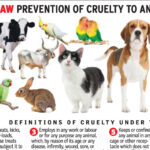
Animal cruelty is a grave concern that transcends borders, affecting countless creatures within the boundaries of our communities in the UK. Each year, numerous reports surface, unveiling the often shocking realities of neglect and abuse suffered by innocent animals. Have you ever contemplated what you would do if you witnessed an animal in distress? This thought-provoking question is more than mere curiosity; it underscores the urgency for awareness and appropriate action. Understanding where to report such incidents becomes paramount, equipping citizens with the knowledge required to advocate for defenseless animals effectively.
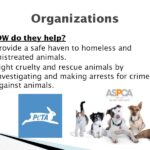
The Royal Society for the Prevention of Cruelty to Animals (RSPCA) stands as a beacon of hope amidst this troubling landscape. Established in 1824, the RSPCA has been at the forefront of animal welfare in the UK, dedicated to preventing cruelty and ensuring the well-being of all animals. It remains the principal organization to contact when encountering suspected cases of animal cruelty. The RSPCA maintains a dedicated helpline, allowing individuals to report concerns anonymously and safely. This accessibility emboldens activists and concerned citizens alike, making it easier than ever to take a stand against cruelty.
When considering whether to contact the RSPCA, it’s essential to provide detailed information about the situation. Descriptive accounts of the animal’s condition, specific location, and any identifying details can significantly bolster the effectiveness of your report. Documentation through photographs or videos can support your claims, painting a clearer picture of the circumstances surrounding the incident. While the RSPCA may not investigate every report due to resource constraints, every concern is taken seriously and assessed accordingly.
However, the RSPCA is not the only avenue available for reporting animal cruelty. In cases where an animal appears to be in immediate danger or undergoing severe distress, it is critical to enlist the help of local law enforcement. The police in the UK have the authority to intervene in situations that threaten an animal’s life or well-being, proving that cooperation between citizens and law enforcement plays a vital role in promoting animal welfare. Every community should prioritize establishing rapport with local police to ensure they are equipped to respond effectively to such urgent calls.
Beyond the RSPCA and local police, various organizations concentrate on specific aspects of animal welfare and cruelty prevention. For instance, the Dogs Trust is an exceptional resource for cases concerning canine welfare, offering both reporting mechanisms and support for those who rescue or adopt dogs. Additionally, organizations such as the Cats Protection and the PDSA focus on feline welfare and veterinary care, respectively. When individuals encounter cruelty that intersects with these specialized areas, reaching out to the pertinent organizations ensures that reports are directed to those best equipped to help.
Some incidents may involve wildlife, yet another critical and often overlooked aspect of animal welfare. The RSPCA also tackles wildlife-related cruelty, but for incidents involving protected species or significant ecological concerns, contacting organizations like the Royal Society for the Protection of Birds (RSPB) or local wildlife rescue groups can be more effective. These organizations not only have the experience necessary to handle such cases but also advocate for the protection of habitats and ecosystems, ensuring a holistic approach to animal welfare.
While understanding where to report animal cruelty is crucial, fostering a proactive attitude is equally important. Engaging in community outreach and awareness campaigns plays a profound role in mitigating cruelty before it occurs. Many local charities organize educational programs in schools and community centers, promoting kindness and respect towards animals. Educating the public about signs of animal cruelty and the appropriate reporting channels can create a culture of vigilance that deters potential abusers.
Despite the detailed paths to reporting, every reported incident of cruelty presents a challenge—how to communicate effectively. Not every report will yield immediate interactions or intervention, which can be disheartening for those dedicated to animal welfare. It illuminates the necessity for continuous efforts in education, advocacy, and supportive action within the community. It is not only vital to understand where to report cruelty but also essential to collaborate with a community of like-minded individuals united in their passion for animal rights.
In conclusion, the battle against animal cruelty in the UK requires vigilance, courage, and determination. Knowing where to report abuse is an invaluable tool that can lead to positive outcomes for animals in peril. The RSPCA, local police, specialized organizations, and community initiatives all play indispensable roles in protecting the most vulnerable among us. It is our collective responsibility to foster awareness and mobilize action. Remember, in the face of wrongdoing, silence is complicity. So, the next time you encounter an animal in distress, ask yourself: Will I take the necessary steps to report the cruelty I see, or will I let it go unnoticed? The choice is yours, and the consequences may resonate far beyond a single moment.