Animal cruelty remains a pervasive issue, unbridled by geographic boundaries, yet often overlooked or inadequately addressed. Whether it manifests as neglect, abuse, or exploitation, the ramifications on both animal welfare and societal ethics are profound. Understanding where to file a complaint for animal cruelty is essential for those who wish to advocate for the voiceless and effect real change. This guide delineates both local and global avenues for justice, aiming to transform the disquiet that often accompanies such knowledge into assertive actions.
In the United States, animal cruelty laws vary significantly from state to state. Each jurisdiction has its own set of legal frameworks. Typically, enforcement falls within the domain of local animal control agencies or law enforcement departments. However, one must first discern the nature and severity of the cruelty being witnessed. Emergencies involving imminent danger to an animal necessitate immediate contact with local law enforcement. Dialing 911 or the equivalent is imperative if an animal’s life is at stake or if a crime is occurring in real time.
For non-emergency situations, several organizations can be approached, and understanding their respective roles can be illuminating. Local humane societies or animal shelters are often the first touchpoints. These organizations are often equipped not only to receive complaints but also to investigate claims of neglect or cruelty. Many offer resources to assist in keeping animals safe and can provide information about rehabilitation and rehoming opportunities.
For more severe cases, particularly those involving systemic abuse or illegal operations, state departments of agriculture may serve as valuable allies. These agencies regulate livestock and agricultural animals, investigating claims related to their well-being. Reporting to these bodies can be particularly impactful, given their regulatory authority over large-scale breeding facilities, feedlots, and other commercial enterprises where animals might be subjected to dire conditions.
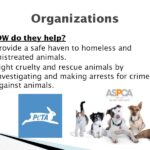
Beyond state-level responses, several national organizations are poised to intervene. The Humane Society of the United States (HSUS) is a noteworthy example, as it operates a dedicated cruelty investigation department. Filing a complaint through HSUS enables a broader investigation, which may even lead to statewide or national awareness and advocacy efforts. Moreover, organizations like PETA (People for the Ethical Treatment of Animals) and local SPCA (Society for the Prevention of Cruelty to Animals) branches can provide invaluable support and mobilization in cases that may gain media attention.
On a global scale, the landscape of animal welfare and the particulars of reporting cruelty can be markedly different. Many countries lack the comprehensive legal frameworks established in the United States. However, international organizations such as the World Animal Protection and the International Fund for Animal Welfare (IFAW) are active players in the arena of animal justice. They facilitate communication between local activists and global efforts to combat cruelty, formalizing the complaint process for those outside the U.S.
For instance, in the United Kingdom, the Royal Society for the Prevention of Cruelty to Animals (RSPCA) serves as the primary emergency response for animal cruelty cases. Members of the public can easily report suspected cases through their online portal or by telephone. Additionally, the RSPCA conducts investigations, often resulting in prosecution where warranted. This systematic approach exemplifies how transparency and accessibility can empower citizens to take action against cruelty.
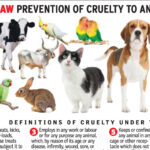
In contrast, countries like India are witnessing transformative changes in the realm of animal welfare. With the Protection of Animals Act, as well as the Animal Welfare Board of India (AWBI), individuals are now equipped to report cruelty. Engaging with local authorities, or even NGOs dedicated to animal rights, can yield meaningful outcomes in these contexts. Such operations reveal a global movement towards recognizing animal rights, albeit at different stages of realization across regions.
Simply knowing where to file complaints is often not enough to affect change. Critical to this process is effective advocacy that pressures governmental and non-governmental organizations alike to respond. When filing a complaint, submit comprehensive information—detailing the nature of the cruelty, the location, and any other pertinent details. Providing photographic evidence or eyewitness accounts can lend credence to your claims, making it difficult for authorities to ignore.
Moreover, fostering community awareness and engagement can amplify efforts to combat animal cruelty. Community programs that encourage responsible pet ownership, humane education in schools, and local advocacy initiatives create a culture that prioritizes animal welfare. When individuals unite to show that cruelty will not be tolerated, societal norms begin to shift, and pressure can lead to legislative changes.
In conclusion, the task of filing a complaint against animal cruelty transcends mere reporting. It requires a communal approach, rife with educational impetus and advocacy. Compassionate, informed citizens have the power to effect change—not just locally but globally. Each report acts as a ripple, potentially creating waves of awareness, action, and reform. Ultimately, to eradicate animal cruelty, a shift in perspective that recognizes the intrinsic value of all sentient beings is necessary. Every voice matters; every complaint counts. Take action and ensure that the voiceless are heard.