Witnessing animal cruelty can be a profoundly distressing experience. It ignites a sense of urgency and an ethical dilemma: what steps should be taken? The emotional weight of such encounters often leaves individuals feeling paralyzed. However, understanding the legal framework and ethical considerations can empower observers to take decisive action, transforming a moment of despair into one of intervention. This article aims to elucidate the course of action when confronted with animal cruelty, emphasizing the interplay of law and ethics.
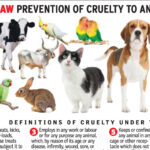
First and foremost, it is paramount to recognize what constitutes animal cruelty. The term encompasses a multitude of actions: the infliction of physical harm, neglect, and abandonment, among others. These acts can manifest in both overt forms—such as beating or torturing an animal—and more insidious ones like prolonged confinement without proper sustenance or medical care. Grasping the nuances of cruelty is the first step in advocating for change.
Upon witnessing an act of cruelty, the immediate instinct may be to intervene directly. While this reaction is commendable, the law often necessitates a measured approach. In many jurisdictions, laws dictate specific procedures for reporting cruelty. It is crucial to familiarize oneself with local statutes, as they can vary significantly. Generally, the first step is to document the incident without compromising personal safety. This entails taking photographs, recording videos, or jotting down notes that capture the essence of the cruelty witnessed.
Documentation serves multiple purposes. It creates a factual basis for a report to law enforcement or animal control agencies and can contribute to any subsequent investigations. In cases where immediate intervention is not feasible, and the act is ongoing, maintaining a detailed log allows for a comprehensive report that articulates the severity and frequency of the animal’s plight.
Reporting the incident is the next critical action. Local animal control agencies or law enforcement should be the primary recipients of your report. When contacting them, present the documented evidence clearly and succinctly. This not only enhances the credibility of the report but also assists authorities in prioritizing their response. In some cases, the law mandates that veterinarians or animal welfare organizations also report suspected cruelty, emphasizing the community’s role in safeguarding animals.
Ethical considerations come to the forefront when evaluating the ramifications of reporting cruelty. The moral imperatives that drive individuals to act often clash with fear of repercussions or feelings of helplessness. Nevertheless, it is essential to remember that inaction can perpetuate the cycle of abuse. According to ethical theories, such as utilitarianism, the welfare of the animal must outweigh the discomfort experienced by the observer. This perspective fosters a proactive outlook, encouraging individuals to prioritize the animal’s suffering over personal fears.
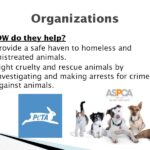
Furthermore, becoming an advocate doesn’t end with reporting. Community involvement is vital. Engaging with local animal rights organizations or coalitions amplifies the impact of individual actions. These entities frequently provide resources, training, and legislative advocacy to address animal cruelty comprehensively. Oscillating between grassroots advocacy and legislative action can lead to substantive changes in the laws surrounding animal welfare. Understanding that systemic change requires collective effort is pivotal.
Education about animal welfare laws is also essential. Being well-versed in local regulations not only empowers the activist but also fosters a community that is informed and proactive. Consider attending workshops, webinars, or community meetings focused on animal rights issues. These platforms often equip individuals with the tools needed to recognize and respond appropriately to instances of cruelty.
Within the framework of ethical treatment, it is crucial to adopt a compassionate stance towards both the animals and potentially the individuals perpetrating cruelty. Historical and psychological contexts often underpin abusive behaviors, suggesting that some actions may arise from ignorance or socio-economic factors rather than innate malice. Advocating for educational programs aimed at understanding animal care may transform perpetrators into informed custodians of animal welfare.
As societal perspectives on animal rights evolve, there is a growing recognition that animal suffering must be addressed urgently and resolutely. Legislative advancements reflect this shift; new laws and reforms are continually instituted to enhance protections for animals. However, this evolution relies heavily on the vigilance of the public. The awareness surrounding cruelty is not merely an individual concern but a societal one. Collective action can lead to significant legislative changes, as seen in recent campaigns aimed at strengthening animal protection laws.
In conclusion, witnessing animal cruelty demands a response rooted in both legality and ethics. By documenting incidents, reporting to the appropriate authorities, and engaging with community resources, individuals can transcend the role of observer and become active participants in the fight against cruelty. This transformative journey not only advocates for the voiceless but also catalyzes an empathetic community dedicated to animal welfare. When individuals unite under this common cause, they reaffirm society’s commitment to compassion and justice for all living beings.