Animal cruelty, a term that conjures images of neglect and abuse, has a history interwoven with societal values and perceptions of animals. As humanity’s understanding of sentience and empathy has evolved, so too has the framework of laws designed to protect non-human beings from harm. While many states enacted their own legislation prohibiting animal cruelty over the years, the journey toward recognizing it as a federal crime is both fascinating and complex.
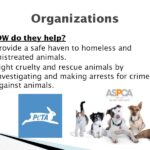
The earliest known animal welfare laws in the United States can be traced back to the 19th century. In 1822, the first animal welfare legislation was passed in England, primarily aimed at preventing the cruelty of farm animals. This spurred similar movements across the Atlantic. In the United States, the American Society for the Prevention of Cruelty to Animals (ASPCA) was founded in 1866, marking a significant milestone in the animal rights movement. This organization played a critical role in raising awareness about the plight of animals and advocating for protective legislation.
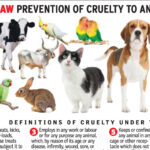
However, it wasn’t until the 20th century that animal cruelty began to receive broader legal recognition. Several states implemented laws targeting specific forms of cruelty, such as dog fighting and horse tripping. These laws were significant but often limited in scope, focusing primarily on domesticated animals. The distinction between domestic and wild animals indicated a prevailing view that only certain animals warranted legal protection.
Throughout the 1960s and 1970s, the conversation surrounding animal rights began to shift. Influential literature emerged, capturing public attention and igniting the debate on animal treatment. With works such as Peter Singer’s “Animal Liberation” first published in 1975, the concept of animal rights garnered substantial traction. This newfound awareness sparked both public and grassroots movements advocating for more robust legislative measures.
As the awareness grew, so did the recognition that animal cruelty was not merely a local or state issue, but a societal one that demanded a national response. In 1976, the Animal Welfare Act (AWA) was enacted suggesting that there was a level of federal interest in animal protection. Though primarily focused on regulating animal research and the treatment of animals in captivity, the AWA provided a federal framework for addressing conditions that could lead to cruelty.
Despite these advances, meaningful federal legislation directly addressing animal cruelty remained elusive well into the 21st century. In 2010, a significant turning point occurred. The Preventing Animal Cruelty and Torture (PACT) Act was introduced to Congress. This bipartisan effort aimed to ensure that acts of animal cruelty would be considered federal offenses. Lawmakers recognized that certain acts of public cruelty expanded beyond local jurisdictions and demanded a coordinated, nationwide legislative response.
The PACT Act passed with overwhelming support, and on November 25, 2019, it was signed into law by President Donald Trump. This law made it a federal crime to engage in acts of animal cruelty, specifically outlining offenses such as crushing, burning, drowning, impaling, and other forms of torture. It marked a watershed moment in the fight for animal rights, signifying not just legal ramifications but also a fundamental shift in societal attitudes toward the treatment of animals.
Furthermore, the enforcement of this federal law is significant in the context of how animal cruelty charges can be pursued across state lines, providing an essential tool for law enforcement agencies in addressing egregious acts of cruelty. This enforcement mechanism underscores an important lesson: recognizing animal cruelty as a federal offense not only strengthens legal protections for vulnerable creatures but also fosters greater public awareness and encourages local communities to unite against these heinous acts.
The ripple effect of this federal law has been observable at both local and national levels. With the passage of the PACT Act, numerous states began revisiting their animal cruelty laws, using the federal legislation as a catalyst for reform. This momentum signifies a broader cultural shift, with many Americans now viewing the protection of animals as a critical moral obligation rather than merely a legal requirement.
However, the implementation of the PACT Act also raises questions and challenges regarding its effectiveness. Critics argue that while having a federal law is a step in the right direction, there must be comprehensive resources allocated for enforcement. Additionally, as communities gear up to address animal cruelty with renewed vigor, the role of education in preventing cruelty becomes increasingly pivotal. Programs focusing on awareness, empathy-building, and humane treatment of animals are essential components not just for compliance but for fostering a culture of respect towards all living beings.
The legislative timeline surrounding animal cruelty illustrates a microcosm of evolving societal norms concerning animals and their treatment. It highlights a journey towards recognizing the intrinsic value of non-human lives and our ethical responsibilities toward them. From the establishment of early welfare organizations to landmark federal legislation like the PACT Act, each milestone brings us closer to a more compassionate society.
In conclusion, while the criminalization of animal cruelty on a federal level is a monumental achievement, it is only the beginning. Continuous advocacy, education, and commitment from individuals and organizations will be essential to ensure that the tide of change continues. As we strive toward a more just world for animals, it is crucial to recognize that every voice matters. The narrative of animal cruelty can shift from one of despair to one of hope and protection, ultimately redefining our relationship with the creatures we share this planet with.