Animal cruelty is a pervasive issue that transcends geographical, social, and economic boundaries. The brutality endured by countless creatures in our society often goes unnoticed, yet its implications are profound and disturbing. To combat this insidious reality, individuals seeking to make a difference can leverage various tools and strategies designed to foster a compassionate world for all beings. The following outlines an activist toolkit for 2025, providing concrete steps and resources to enlighten, engage, and initiate change against animal cruelty.
Understanding the Landscape of Animal Cruelty
Before taking action, it is imperative to grasp the multifaceted nature of animal cruelty. It is not merely a byproduct of ignorance or apathy; rather, it often stems from deeper systemic issues such as exploitation, disconnection from nature, and cultural norms that prioritize human interests over animal welfare. Acknowledging these underlying causes is vital in approaching the issue holistically, as it allows activists to tailor their strategies effectively.
Education as a Cornerstone
One of the most powerful tools in the activist’s arsenal is education. Knowledge equips advocates with the necessary insights and facts to challenge misconceptions surrounding animal rights. Start by familiarizing yourself with the various forms of animal cruelty, including factory farming, puppy mills, animal testing, and entertainment exploitation. Utilize reputable resources such as books, documentaries, and scientific articles to gain a comprehensive understanding of the issue.
Furthermore, consider developing workshops or community outreach programs aimed at raising awareness about the plight of animals. Engaging conversations can foster empathy and provide individuals with the motivation to advocate for change. By emphasizing the emotional and psychological aspects of animals, activists can bridge the gap between indifference and action.
Utilizing Digital Platforms
In this digital age, social media and online platforms serve as powerful tools for reaching a wider audience. Create compelling campaigns that highlight the realities of animal cruelty through evocative imagery and factual narratives. Share informative content on platforms like Instagram, Facebook, and Twitter to engage followers and encourage them to spread the message further.
Additionally, use hashtags strategically to tap into existing conversations about animal rights and increase visibility. Starting campaigns that encourage individuals to share their stories, experiences, or commitments to animal welfare fosters a sense of community and unity among supporters. Online petitions are another effective way to galvanize public interest and demand action from local and national governments.
Building Alliances with Organizations
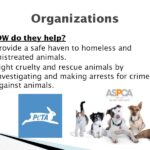
Networking with established animal rights organizations can amplify the impact of your efforts. Collaborate with groups that align with your values and hold a reputation for effecting change. These alliances can provide access to resources, training, and mentorship opportunities that greatly enhance your activism skills.
Volunteering at shelters, rescue organizations, or advocacy groups is another way to gain hands-on experience while contributing positively to the welfare of animals in need. Such involvement not only allows activists to develop their skills but also establishes connections with like-minded individuals who share a passion for animal rights.
Legislative Advocacy
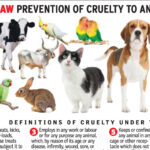
Engagement in legislative advocacy is paramount to fostering long-term change. Familiarize yourself with local, state, and national laws regarding animal welfare. Understanding current legislation will inform your approach to advocating for stronger protections and reforms. Grassroots lobbying can be extraordinarily effective; mobilize fellow activists to contact legislators, attend public meetings, or participate in organized campaigns aimed at changing legislation.
Writing letters to representatives or initiating petitions can draw attention to critical issues requiring legislative action. Consistent pressure on elected officials to prioritize animal welfare can yield significant advancements and create a ripple effect throughout communities.
Creating Awareness Through Artistic Expression
Art has historically been a powerful vehicle for social change. Utilize various forms of artistic expression – whether through painting, photography, music, or performance – to convey the emotional experiences of animals suffering from cruelty. Consider hosting exhibits or events that draw attention to animal rights issues, thereby appealing to the human experience in a relatable way.
Collaboration with local artists can broaden the reach of your message, while also fostering a creative dialogue about the importance of treating animals with compassion. The visceral reactions elicited by art can inspire a movement, provoking critical thought and compulsion to act.
Long-term Commitment and Self-care
Animal activism is not a sprint but a marathon. Recognizing the potential for burnout is essential in maintaining momentum. It is important to pace oneself and incorporate self-care practices into your routine. Build a support system of fellow activists who can provide encouragement and share coping strategies. Celebrate small victories along the way to rejuvenate your passion for the cause.
In conclusion, combating animal cruelty requires a multifaceted approach by utilizing a diverse toolkit. By educating the public, leveraging digital platforms, building alliances, advocating for legislative reform, employing artistic expression, and emphasizing personal well-being, activists can create a meaningful and lasting impact. The tide of societal indifference can be turned, fostering a future where the rights of all living beings are honored and respected. Armed with knowledge, compassion, and determination, the movement toward animal welfare can carve out a more humane world.