Animal cruelty is a grave concern that stretches across the nation, affecting not only the animals subjected to maltreatment but also the communities that bear witness to such injustices. In Idaho, the issue of animal cruelty has garnered increased attention, prompting discussions about the need for more stringent laws and penalties. Understanding the legal ramifications of misdemeanor animal cruelty is crucial for cultivating an informed public that can actively participate in advocacy for better protection of our animal companions.
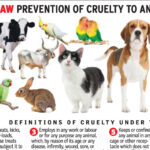
The state of Idaho categorizes animal cruelty under a range of laws, with the severity of penalties varying based on the nature of the offense. At the most basic level, misdemeanor animal cruelty can manifest in various forms, including neglect, abandonment, or infliction of unnecessary pain and suffering on an animal. According to Idaho law, these offenses are considered misdemeanors unless they cause severe harm or death to the animal, which may elevate the charge to a felony.
Idaho’s legal framework defines misdemeanor animal cruelty as engaging in acts that willfully precipitate harm to an animal. This can include, but is not limited to, failure to provide adequate food, water, shelter, or medical care, as well as physical abuse. The underlying philosophy of these statutes is to protect the welfare of animals, and as such, they serve as an essential bulwark against mistreatment. Ignorance of the laws or a lack of empathy toward animals should not permit offenders to escape responsibility.
The penalties for misdemeanor animal cruelty in Idaho can impose significant consequences on offenders, acting as a deterrent for future violations. An individual convicted of misdemeanor animal cruelty can face a fine of up to $5,000 and/or imprisonment for up to six months. These sanctions serve not only to punish but also to reinforce societal norms regarding acceptable behavior toward animals. It is the responsibility of law enforcement and legal authorities to ensure that these provisions are enforced rigorously, holding offenders accountable.
Moreover, the legal consequences do not end at fines and jail time. A conviction can carry long-term repercussions that extend into other areas of an offender’s life. For instance, individuals may find themselves barred from owning or caring for animals in the future. A formal record of animal cruelty can hinder employment opportunities, particularly in professions where a clean background is essential. The social stigma associated with such convictions can also lead to significant personal isolation.
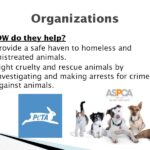
It is worth exploring the community’s role in reporting and addressing instances of animal cruelty. Local law enforcement agencies often rely on vigilant and informed citizens to report suspected cases. By creating a culture of awareness and responsiveness, Idaho residents can play a pivotal role in safeguarding animal welfare. Education and outreach initiatives can enhance public understanding of what constitutes animal cruelty, empowering individuals to intervene when they witness harmful behavior.
In an increasingly connected world, the discourse surrounding animal rights is evolving. Advocacy groups across Idaho are actively pushing for stronger animal cruelty laws, recognizing that the current statutory framework may not adequately reflect the gravity of these offenses. Such organizations often mobilize public opinion through awareness campaigns, urging legislators to consider enhancements to existing laws. They argue that a comprehensive review of animal welfare regulations is necessary to better align with contemporary ethical standards.
In addition to legal repercussions, the conversation surrounding animal cruelty also intersects with broader societal issues, such as the responsibility of pet owners. Owning an animal presupposes a commitment to its well-being. The onus of care should not be taken lightly. Education on responsible pet ownership can play an instrumental role in preventing instances of neglect and abuse. This can include resources on proper nutrition, healthcare, and enrichment activities that foster a healthy and happy animal.
Legislation is vital, but so is the involvement of the community in advocating for the protection of animals. To that end, individuals can participate in local forums, support animal welfare organizations, or engage in community service initiatives that align with animal protection advocacy. Hands-on involvement can create a ripple effect, inspiring others to consider their role in the fight against animal cruelty.
While the current penalties for misdemeanor animal cruelty in Idaho provide a framework for legal accountability, the conversation must continue to evolve. Engaging the wider community in this dialogue ensures that animal welfare remains a priority. From educational outreach to legislative advocacy, collective efforts can lead to more substantive reforms, promoting not only stricter penalties but also a deeper understanding of the rights owed to our animal companions.
In conclusion, understanding the penalties surrounding misdemeanor animal cruelty in Idaho is just one aspect of a much broader issue. Comprehensive education, community engagement, and robust legislation serve as essential components in the quest to protect animals from cruelty. As Idaho works toward strengthening its animal welfare laws, the responsibility lies with each individual to foster an environment where kindness and compassion towards animals prevail.