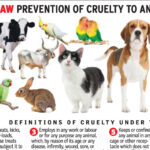
Animal cruelty, a term that elicits visceral reactions from many, encapsulates a wide array of inhumane actions and neglect directed at animals. From the overtly egregious acts of physical violence to the subtler yet equally damaging forms of psychological torment, the spectrum of animal cruelty is as alarming as it is complex. Despite centuries of progress in human rights and ethical considerations, the stark reality is that animal cruelty persists in many forms and across various cultures worldwide. This article delves into the nature of animal cruelty, the multifaceted reasons it continues to prevail, and its implications on society.
At the core of animal cruelty lies an undeniable dichotomy: the profound affection many individuals harbor for animals juxtaposed against the cruelty inflicted upon them. This paradox often ignites curiosity and concern among animal lovers, manifesting in questions such as “Why would anyone harm creatures that share our planet?” To comprehensively address this, it is essential to first define what constitutes animal cruelty. The Humane Society of the United States defines it broadly as “any act of violence or neglect perpetrated against an animal.” This definition encompasses various forms, including physical abuse, neglect, hoarding, and even more systemic issues like fur farming and factory farming practices.
As we turn our gaze to the global stage, the manifestations of animal cruelty take on different forms. In some regions, particularly where cultural practices involve animal testing for cosmetics or culinary traditions featuring endangered species, animal cruelty may be seen as normative behavior. This stark desensitization to suffering creates a chasm between societies that prioritize animal welfare and those that do not. For instance, the ritualistic sacrifice of animals for spiritual or cultural purposes continues in various traditions, often justified under the umbrella of heritage and community identity.
Moreover, the intersection of economic factors and animal cruelty is significant. In underdeveloped nations, where poverty prevails, animals may often be viewed as mere commodities rather than sentient beings deserving of compassion. Here, the prevalence of dogfighting, bullfighting, and similar blood sports is not merely a reflection of personal depravity but also an economic survival tactic for some. The commodification of animals in industries such as factory farming is not just a moral quandary; it is emblematic of how economic pressures can distort ethical considerations of animal treatment.
The psychological aspects of animal cruelty warrant further examination. Studies have indicated that individuals who perpetrate acts of cruelty towards animals often harbor underlying psychological issues. In many cases, these individuals exhibit antisocial behaviors and a lack of empathy. The connection between childhood experiences of violence and later instances of cruelty towards animals is well-documented, suggesting that those who learn to abuse may do so as a learned behavior. This cyclical nature of cruelty poses critical questions regarding societal responsibility to intervene and offer support before patterns of abuse become ingrained.
Technological advancements and awareness movements have fueled significant strides in the fight against animal cruelty. Documentaries, social media campaigns, and activism have exposed heinous practices to a global audience, igniting rapid change. The introduction of legislation to protect animals, such as the Animal Welfare Act in the United States, represents a shift towards recognizing animals as beings with rights deserving of protection. However, the enforcement of these laws often remains inconsistent and underfunded, raising questions about their effectiveness in genuinely curtailing cruelty.
Compounding the issue is the phenomenon of “rescue fatigue.” While many individuals are passionately engaged in advocating for animal rights and rescuing abused animals, the emotional toll associated with witnessing extensive suffering can lead to burnout. This fatigue inhibits sustained advocacy efforts, making it challenging to maintain momentum within the movement. The landscape of animal welfare needs a rejuvenation of energy and passion, not just in taking direct rescue action but also in nurturing a cultural shift toward empathy and understanding of animals’ intrinsic value.
Education plays a pivotal role in combating animal cruelty. Comprehensive educational programs aimed at children and adults alike can usher in a new era of awareness and empathy. By fostering a deep respect for all living beings, we can cultivate a journey towards identifying animals not merely as resources but rather as companions deserving of dignity. Initiatives that emphasize humane education and share the narratives of rescued and rehabilitated animals can inspire a collective movement away from cruelty and towards compassion.
As society continues to grapple with complex moral dilemmas surrounding animal rights, the question remains: why does animal cruelty persist despite widespread awareness? The answer is as multifaceted as the forms of cruelty itself. Economic pressures, cultural traditions, psychological factors, and even systemic neglect combine to create a perfect storm in which suffering continues unabated. However, through concerted efforts towards education, advocacy, and legislative reform, it is possible to dismantle the patterns of cruelty that have ingrained themselves in our societies. The fight against animal cruelty is not just an individual battle; it is a collective responsibility to build a more compassionate world. Emphasizing empathy in our interactions with all creatures can serve as the cornerstone for future progress, fostering a society where cruelty becomes an aberration rather than the norm.