Animal testing, a practice that has sparked considerable debate, entails the use of non-human animals in scientific and commercial experiments. These experiments are primarily conducted to assess the safety and efficacy of products ranging from cosmetics to pharmaceuticals. According to the perspectives articulated by advocacy groups like Cruelty Free International, animal testing is defined not only by the methods used but also by the ethical implications surrounding it. The emphasis lies on establishing a comprehensive understanding of its various forms, consequences, and the justified calls for alternatives.
Primarily, animal testing can be categorized into several distinct types. Each type serves different purposes and employs varied methodologies, which in turn influence the animals involved. The first category is toxicity testing. This is perhaps the most widely recognized form of animal testing, where substances are administered to animals to observe their physiological responses. This is often accomplished through lethal dose experiments, which aim to determine the dose at which the substance becomes toxic or lethal. The ethical implications of such tests are profound, sparking arguments about whether the potential human benefits justify the suffering inflicted upon sentient beings.
The second category is product testing. This encompasses a variety of consumer products, including cosmetics, cleaning agents, and household items. In this domain, animal testing is utilized to ascertain safety before the products are introduced into the market. Animals are subjected to skin and eye irritation tests, where chemicals are applied to create reactions. The overarching concern remains whether this method of testing is warranted or if alternative, non-animal methodologies could suffice.
Another significant category involves experimental research. This is often connected to the fields of medicine and biology, where researchers use animals to investigate diseases, develop new treatments, and understand biological processes. The rationale provided is that certain aspects of human physiology cannot be replicated outside of a living organism, thus necessitating the use of animals. However, the validity of such practices is continuously questioned, prompting an exploration into the reliability and applicability of results obtained from animal studies to human health.
A lesser-known yet increasingly relevant category is breeding for research. This involves the purposeful breeding of certain traits within animals, creating specific populations that exhibit characteristics suitable for research. This raises critical ethical considerations, particularly regarding the rights of animals bred for the sole purpose of experimentation. The implications extend beyond immediate testing to encompass genetic manipulation and the potential suffering of future generations of animals, cementing the argument against the continuing practice of animal testing.
With mounting evidence against animal testing, a considerable emphasis has shifted towards ethical alternatives. Organizations advocating for animal rights highlight the development of in vitro methods, computer modeling, and advanced synthetic technologies as viable substitutes. In vitro testing, leveraging human cells and tissues, allows researchers to assess interactions and toxicology without involving animal lives. Technology continues to innovate in this respect, offering possibilities that were once beyond imagination.
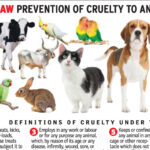
As public consciousness grows, legislation addressing animal testing has evolved. Various countries have implemented bans or restrictions on animal testing, particularly concerning cosmetics. The European Union has set a precedent with its comprehensive regulations prohibiting the sale of cosmetics tested on animals. This movement reflects a broader societal desire to reassess the moral grounding of our practices. Advocacy groups persistently lobby for similar regulations worldwide, fostering robust discussions about human responsibility towards non-human creatures.
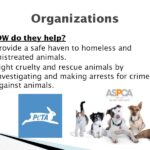
Furthermore, education plays a vital role in the movement against animal testing. Many organizations strive to inform the public about the realities of animal suffering associated with product testing. They utilize impactful campaigns, social media platforms, and community engagement to spread awareness and encourage ethical consumerism. The push towards cruelty-free products is gaining momentum; consumers are increasingly vigilant about the brands they support, opting for those that align with their values. This collective change prompts manufacturers to reconsider their testing protocols in favor of compassion-driven practices.
In conclusion, animal testing is a multi-faceted issue deeply rooted in scientific, ethical, and commercial realms. It encompasses various testing types—each invoking considerations of humane treatment and alternative methodologies. The ongoing debate reflects a society grappling with its moral responsibilities and the extent of its impact on sentient beings. As innovation provides alternatives to traditional testing methods, the focus shifts towards the creation of a world where both human and animal welfare coexist harmoniously. The necessity for authentic change lies not only within the laboratories but also within our collective conscience as consumers, advocates, and stewards of the planet.