Animal cruelty and neglect are distressingly prevalent issues that resonate deeply within the moral fabric of society. As we coexist with these sentient beings, it beckons us to ponder: how can we justify the suffering inflicted upon them? This inquiry introduces a formidable challenge — the reconciliation of legal frameworks with ethical considerations regarding animal welfare.
At its core, animal cruelty is characterized by the intentional infliction of pain and suffering on animals. This can manifest as physical violence, torture, or psychological torment. Beyond overt acts of cruelty, there’s also a pervasive undercurrent of neglect, which entails the failure to provide necessary care, sustenance, or adequate living conditions. Both dimensions of cruelty and neglect warrant scrutiny, for they raise critical questions about our societal values and responsibilities.
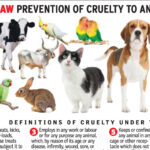
Legally, the definitions of animal cruelty and neglect vary significantly across jurisdictions. In the United States, animal protection laws are primarily state-based, resulting in a fragmented legal landscape. For example, some states have robust statutes that criminalize various forms of abuse, while others demonstrate stark leniency. Generally, animal cruelty laws fall into two categories: active cruelty, which includes abhorrent actions like fighting animals or engaging in sadistic behaviors, and passive cruelty, which often pertains to neglect and abandonment.
Active cruelty often garners more public outrage and media attention. High-profile cases involving egregious acts, such as dog fighting rings or systematic abuse within industries like puppy mills, often evoke widespread condemnation. Conversely, neglect can be insidious; it frequently flies under the radar, camouflaged within the daily routines of unsuspecting pet owners who may lack knowledge about proper animal care. This discrepancy raises an important question: are we, as a society, more inclined to respond to dramatic visual representations of cruelty rather than the quieter, yet equally damaging, realities of neglect?
From a moral perspective, the debate surrounding animal cruelty revolves around our ethical obligations towards non-human beings. Ethical theories vary in their approach; utilitarianism, for instance, posits that an action is morally right if it maximizes overall happiness. From this viewpoint, the suffering of animals becomes central to discussions about cruelty. In contrast, deontological ethics might argue for an inherent duty to treat all sentient beings with respect, irrespective of the consequences.
One cannot discuss animal cruelty without acknowledging the broader implications of our relationship with animals. Industrial farming practices, for example, often result in institutionalized cruelty. Animals are frequently subjected to confinement in cramped conditions, deprived of their natural instincts and social interactions. The moral quandary arises: how can society reconcile the insatiable demand for animal products with the ethical imperative to treat living beings humanely? This dilemma invites a renewed examination of our dietary choices and consumption patterns.
The legal system’s role in addressing animal cruelty is pivotal. While many states have implemented laws intended to protect animals, enforcement remains inconsistent. Investigative efforts are hampered by a lack of resources, inadequate training for law enforcement, and cultural attitudes that may prioritize property rights over animal welfare. This raises a vital question: can we effectively safeguard animals without a paradigm shift in how society perceives and treats them?
Public awareness campaigns play an essential role in combating both cruelty and neglect. Educating individuals about responsible pet ownership and the signs of abuse can empower communities to take action. Furthermore, fostering compassion towards animals can inspire systemic change. This can be achieved through legislative advocacy, urging stronger laws and better enforcement mechanisms to protect vulnerable species. Is it not the responsibility of an informed society to champion the voiceless?
In addition to direct legal recourse, fostering a culture of empathy and understanding towards animals can have a profound impact. Engaging in meaningful dialogue about animal rights encourages individuals to reflect on their choices, thereby creating a ripple effect within communities. As more citizens adopt a compassionate mindset, societal norms begin to shift; this evolution underscores a crucial point: that animal welfare is intricately woven into the broader narrative of social justice.
Despite the ethical implications surrounding animal cruelty and neglect, challenges remain in unifying public sentiment. Disparities in educational resources, regional attitudes toward animals, and cultural beliefs complicate collective action. Yet, there is ample evidence to suggest that meaningful change is possible. Over the past few decades, we have witnessed a marked increase in advocacy and activism surrounding animal rights, indicating a tentative yet hopeful shift in societal attitudes.
In conclusion, the multifaceted nature of animal cruelty and neglect compels us to examine both legal statutes and moral responsibilities. By challenging ourselves to engage in this discourse, we can begin to forge a path towards a more compassionate society, where animals are viewed not merely as property but as sentient beings deserving of respect and dignity. The question remains: will we rise to the challenge, or will we allow cruelty and neglect to persist in silence?