Aggravated animal cruelty is a term that commands attention and evokes a visceral reaction. It encapsulates actions that result in extreme distress, suffering, or death to animals, surpassing standard cruelty definitions. This form of egregious behavior not only highlights an individual’s moral depravity but also raises profound ethical questions about our responsibilities toward sentient beings. Understanding what constitutes aggravated animal cruelty, the various forms it can take, and the potential legal ramifications is crucial for fostering a society that values compassion and justice for all living creatures.
To begin with, it is essential to delineate the definition of aggravated animal cruelty. While standards may vary by jurisdiction, it generally refers to conduct that is not just abusive but is intentionally cruel and malicious, often involving severe physical harm or the infliction of prolonged suffering. This escalated level of cruelty can manifest in several ways: from systematic torture and malicious killing to the use of strong instruments or methods that cause significant pain.
Examples populate the stark landscape of aggravated animal cruelty. One particularly alarming scenario involves dog fighting, an organized and illicit form of entertainment that places animals in a dire situation where they are forced to engage in brutal combat for the amusement of humans. Absent from this grisly spectacle is any respect for the animals forced to endure such agony.
Moreover, there are noted instances of individuals utilizing firearms or other lethal means to inflict harm. The senseless shooting of pets or wild animals in instances void of threat exemplifies the abhorrent nature of such actions. Each case reflects a troubling mindset that perceives animals as mere objects, void of intrinsic worth, destined to suffer for human gratification.
In exploring the spectrum of aggravated cruelty, one cannot ignore cases involving neglect that reaches egregious levels. This encompasses scenarios where animals are left without basic necessities such as food, water, shelter, or medical care to the point that it jeopardizes their well-being. An example might involve a hoarding situation, where animals reside in deplorable conditions, suffocating under mountains of filth while barely surviving, often described as a living nightmare.
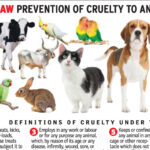
Legal frameworks across the United States aim to combat these grievous acts through statutes focused on animal welfare. Typically, aggravated animal cruelty is categorized as a felony, distinguishing it from more minor offenses. The rationale behind this punitive classification is clear: actions that cause profound suffering warrant substantial repercussions, echoing the moral stance that violence against animals should not be tolerated.
Sentencing for individuals convicted of aggravated animal cruelty varies significantly across states, reflecting differing societal values and legal interpretations. Some jurisdictions impose fines, mandatory counseling, or community service. However, in more severe cases, individuals may face significant prison time, with sentences potentially exceeding five years. These harsher penalties underscore the seriousness with which communities approach habitual cruelty and recidivism, recognizing the potential link between violence against animals and violence against humans.
Beyond individual cases of sentencing, aggravated animal cruelty sets a paramount stage for societal reflection and policy reform. High-profile cases often catalyze public outcry, igniting discussions about the need for more stringent laws and greater awareness regarding the rights of animals. This evolving perspective encourages a broader understanding that protecting animal welfare is not merely a legal obligation but a moral one that is inherently tied to societal civility.
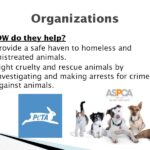
Furthermore, organizations and activists are tirelessly working to combat the scourge of animal cruelty through education and advocacy. Campaigns aimed at raising awareness highlight the plight of animals subjected to such heinous acts. Through community outreach and passionate discourse, these movements endeavor to shift the collective consciousness—a crusade to ensure that future generations recognize the sanctity of animal life and the ethical imperatives to protect it.
It is vital to realize that aggravated animal cruelty does not exist in a vacuum. The implications of such acts are far-reaching, influencing not only the immediate victims but resonating through the fibers of societal wellbeing. Increased instances of animal cruelty have been correlated with broader patterns of violence, hence deeply intertwining our treatment of animals with human morality and ethics. This connection beckons a response that is not merely punitive but transformative, aiming to rehabilitate both the perpetrator and society at large.
Ultimately, the battle against aggravated animal cruelty invites questions that transcend mere definitions and legalities. Why do individuals resort to such actions? What underlying issues prompt this behavior? How can society collectively respond to foster a culture of respect and empathy? As the dialogue continues, it is imperative that those who champion animal rights advocate not just for legislation but for a fundamental shift in societal values—an evolution toward kindness, compassion, and safeguarding the vulnerable among us.
The plight of animals subjected to aggravated cruelty remains an urgent call to action. By arming ourselves with knowledge, advocating for change, and teaching the principles of empathy to future generations, we pave the way for a kinder world, where animals can exist free from the threat of inhumane treatment. In this quest, every voice matters; every action counts. Let us strive to be the change agents—champions for those who cannot speak for themselves.