Animal cruelty is an abhorrent reality that plagues societies across the globe. It manifests in various forms, from neglect and abandonment to outright abuse. But what causes such a distressing phenomenon? And more importantly, how can we combat it? As we delve into the complexities of this issue, we must ask ourselves: Is there a definitive link between societal attributes and the prevalence of animal cruelty? The answer is both multifaceted and intricate.
To understand the causes of animal cruelty, one must first explore the psychological, social, and economic factors that intertwine. Studies have shown that individuals who inflict harm on animals often do so due to a myriad of reasons deeply rooted in their upbringing and environment. A troubling statistic reveals that a significant percentage of abusers experienced violence during their formative years themselves. This creates a disheartening cycle: victims of abuse can become perpetrators. Children who witness domestic violence or animal cruelty may desensitize to violence altogether, perpetuating the cycle into adulthood.
Another crucial aspect to consider is the socio-economic backdrop against which instances of animal cruelty often unfold. People living in poverty-stricken environments might neglect their pets due to sheer survival instincts. How can you provide for an animal when you are struggling to provide for yourself? In these circumstances, animals are not viewed as integral family members but rather burdens that can be cast aside when resources are scarce. Education plays a critical role here. It is essential to raise awareness around responsible pet ownership and the moral obligation we have towards animals.
Additionally, cultural norms and beliefs significantly influence attitudes towards animals. In some societies, animals are primarily seen as property rather than sentient beings. This perspective can trivialize their welfare and spur neglect. To challenge these perspectives, we must promote greater empathy and understanding regarding animal sentience. Social norms are powerful, but they can also be reshaped through continuous dialogue and education.
Let’s not ignore the troubling aspect of desensitization. The advent of digital media has brought forth graphic images and videos depicting acts of animal cruelty. While raising awareness is pivotal, the pervasive nature of such content can lead to desensitization. Individuals may become indifferent to the suffering depicted before them, leading to a collective apathy about the issue. Herein lies a challenge: How do we engage people emotionally to spur action rather than numbness? It requires careful crafting of narratives that highlight animal welfare’s emotional and ethical dimensions.
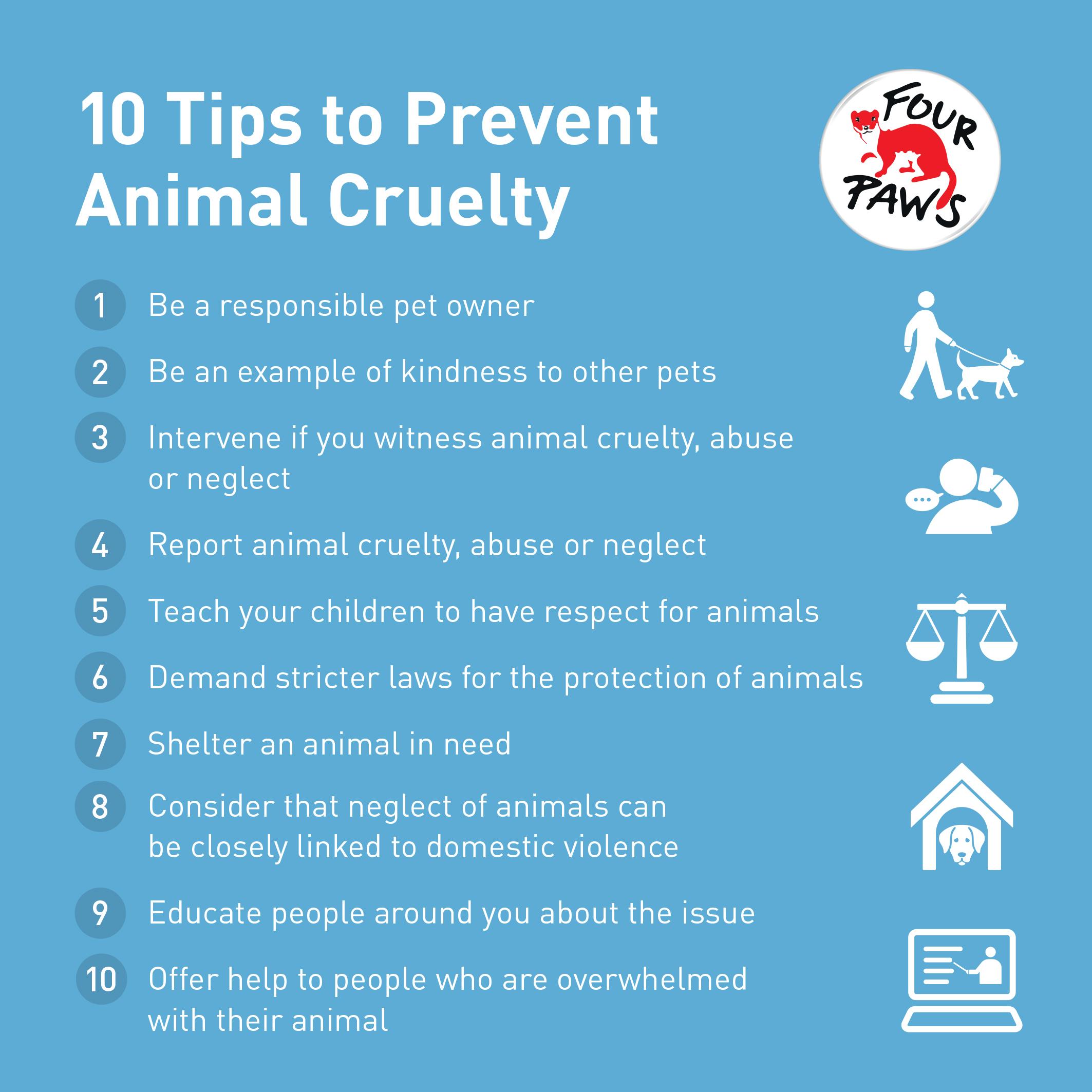
The responsibility to address these grave issues lies not only with individuals but also with institutions and governments. Legislative frameworks play an essential role in curbing animal cruelty. Stricter laws and enforcement mechanisms can serve as deterrents. For instance, many countries have introduced animal welfare laws that impose fines and punishment for cruelty. Educating the public about these laws enhances community awareness, ensuring people understand what constitutes animal cruelty and the repercussions attached to it.
Community involvement is another cornerstone in combating animal cruelty. This can take the form of outreach programs, support for local shelters, and partnerships with schools to educate the younger generation about kindness towards animals. Volunteering at shelters or fostering animals in need can instill compassion and empathy in individuals of all ages. Providing tangible support to local animal welfare organizations can help them fulfil their missions more effectively, creating a robust safety net for at-risk animals.
The importance of media cannot be understated in the fight against animal cruelty. Documentaries, social media campaigns, and community events can serve as potent tools for advocacy. Leveraging powerful storytelling can evoke an emotional response, prompting people to act—whether that means adopting an animal, donating to a cause, or advocating for stronger animal rights legislation. By shining a light on the stories behind the statistics, we can humanize the issue and drive home the importance of animal welfare.
Despite the grim realities, there exists a glimmer of hope. Organizations dedicated to ending animal cruelty are on the front lines, tirelessly advocating for change. Education about animal welfare is gradually penetrating school curriculums, helping to cultivate informed, empathetic individuals who will become protectors of animal rights. The youth hold the potential to transform the future; fostering a generation that respects and cherishes all living beings can dramatically alter the landscape of animal welfare.
In conclusion, while the causes of animal cruelty are deeply entrenched in societal norms, economic pressures, and individual psyches, there is a comprehensive strategy that can be employed to combat this issue. It requires a multifaceted approach—education, advocacy, empathy, community involvement, and the enforcement of laws—that can pave the way for a society that respects and protects animal welfare. Every individual has the power to influence change. Therefore, the challenge becomes a call to action: How will you begin your journey towards fighting animal cruelty? The choice is in your hands. Together, let us emerge as staunch advocates against this harrowing plight and create a world where every animal can live free from fear and cruelty.