Animal cruelty is a profound violation of the intrinsic rights of living beings. It manifests in various forms, ranging from overt acts of violence to insidious neglect. This societal affliction does not merely impact animals; it reverberates through communities, implicating social structures, moral values, and even psychological health. To fully comprehend the ramifications of animal cruelty, one must explore the multifaceted dimensions involved—who it affects, the underlying motivations, and the societal implications that emerge from such a pervasive issue.
Understanding Animal Cruelty
Animal cruelty encompasses a broad spectrum of behaviors that result in unnecessary harm, suffering, or neglect of animals. These actions can be deliberate, as seen in cases of physical abuse, or insidious, manifesting as neglect in instances where animals are deprived of basic needs such as food, water, and shelter. Various studies depict this as a growing phenomenon, economies challenged by poverty and lack of education often witnessing heightened instances of cruelty. However, one must also consider that cruelty is not bound by socio-economic status; it transcends barriers and permeates all strata of society.
Victims of Animal Cruelty
The most visible victims of animal cruelty are, of course, the animals themselves. From companion pets, such as dogs and cats, to farm animals and wildlife, no species is exempt from the threat posed by human ignorance or malice. It is essential to recognize that animals experience pain, fear, and emotional distress similarly to humans. Such suffering can manifest in behavioral issues, psychological trauma, and sometimes culminate in death.
In a broader societal context, animal cruelty creates a ripple effect that can adversely impact humans as well. Children raised in environments where cruelty towards animals is normalized may develop detrimental behavioral patterns, exhibiting aggression and empathy deficits. Research suggests these children may struggle with social interactions and might even contribute to a continuum of violence against both animals and humans in adulthood.
The Perpetrators: Understanding Motivations
To combat animal cruelty effectively, it is crucial to investigate the motives behind such actions. Perpetrators of animal abuse often exhibit specific psychological characteristics. Many studies have linked animal cruelty with underlying issues of power and control. Some individuals may derive satisfaction from the subjugation of a helpless being, using their dominance over animals to compensate for feelings of inadequacy in other areas of their lives.
Another significant contributor to this brutal behavior is desensitization. In a society saturated with violent imagery in media, the line between fiction and reality often blurs. A desensitized individual may not view the suffering of animals as morally reprehensible but rather as entertainment or a diversion. Cultural factors can also play a pivotal role. In certain communities, violence against animals might be normalized or even glorified, complicating efforts to implement change.
The connection between animal cruelty and domestic violence is particularly alarming. Numerous studies highlight that individuals who engage in abuse towards animals often perpetrate violence against human beings as well. This intersectionality underscores the urgent need for comprehensive interventions that address the root causes of such behavior.
Societal Consequences
The implications of animal cruelty extend beyond the suffering of the victims. Communities where animal cruelty is prevalent often face detrimental social impacts. Animal welfare issues can strain local resources and lead to increased law enforcement and healthcare costs. Furthermore, the emotional toll on individuals who witness acts of cruelty can lead to widespread community distress and a breakdown of social cohesion.
Communities that foster a culture of compassion towards animals often experience lower crime rates, enhanced social responsibility, and stronger inter-community bonds. In contrast, areas where cruelty is accepted or overlooked may become hotspots for various forms of violence, reflecting a broader malaise in community health and safety.
A Path Towards Change
Addressing animal cruelty necessitates a multi-faceted approach focused on education, legislation, and societal shifts in perception. Education plays a pivotal role, particularly in young children. Incorporating programs in schools that teach empathy towards animals can mold a future generation that views animal welfare as paramount, fostering compassion from an early age.
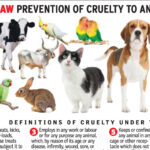
Legislation, too, is a critical element in combating cruelty. Stricter laws that hold perpetrators accountable can act as a deterrent. However, policies must be supported by effective enforcement mechanisms to ensure meaningful change. Advocacy for stronger animal protection laws must be unwavering, reflecting the value that society places on the welfare of animals.
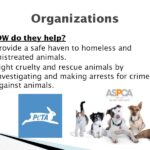
Community engagement is equally crucial; local organizations can spearhead initiatives that promote responsible pet ownership, support animal shelters, and advocate for the humane treatment of all living creatures. When individuals come together to voice dissent against cruelty, societal norms can shift toward a culture of kindness and empathy.
Ultimately, the fight against animal cruelty is not just a battle for the voiceless; it is indicative of the moral compass of our society. Every action taken to eradicate this injustice is a step toward fostering a world rooted in compassion and respect for all living beings. By dissecting the complexities of who and what is affected by animal cruelty, we can forge a path toward healing, understanding, and, ultimately, progress.