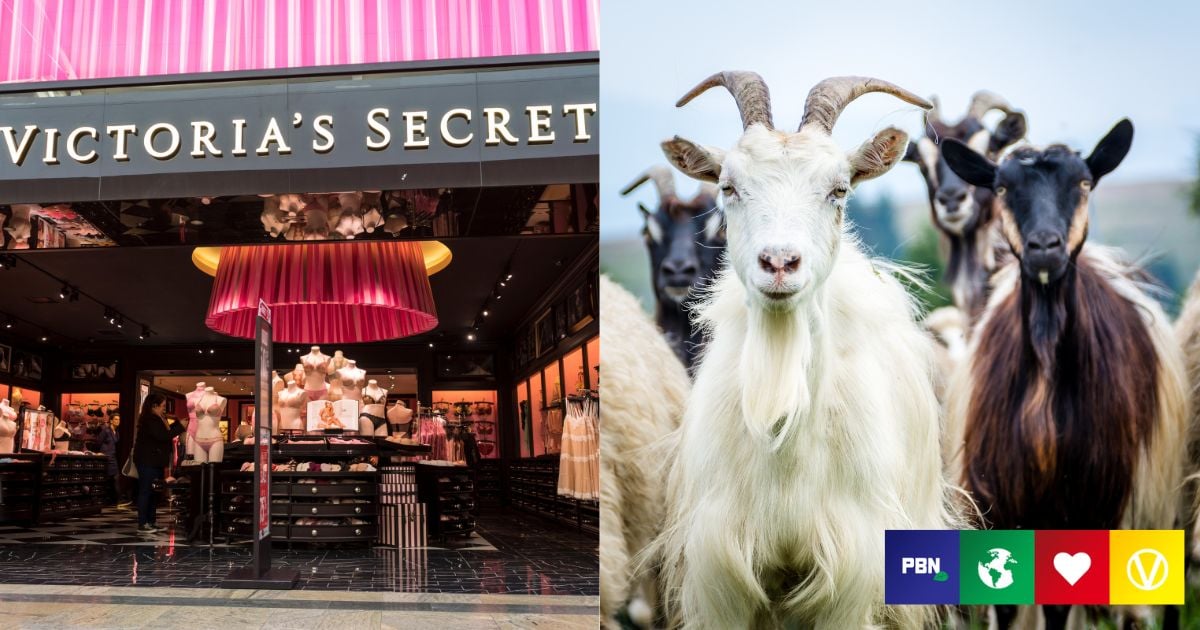
In the modern fashion landscape, the ethical considerations surrounding animal welfare are more significant than ever. As consumers become increasingly aware of the implications of their purchasing decisions, the call for transparency in manufacturing practices grows louder. One of the brands that have found itself at the crossroads of this movement is Victoria’s Secret, a company long known for its glamorous marketing campaigns and lavish product offerings. However, beneath the glitzy surface, questions arise: Is Victoria’s Secret truly animal cruelty-free, or is it falling behind in a rapidly evolving industry?
The corporate narrative of Victoria’s Secret has been fundamentally shaped by a blend of allure and desire. Yet, the reality of its practices—particularly concerning the use of animal-derived materials—is a subject ripe for examination. To tackle this query, we must explore the diverse materials employed in its products, the brand’s ethical commitments, as well as the criticisms it has faced from animal rights activists.
At the heart of the discourse is the variety of materials utilized by the company. Victoria’s Secret, like many fashion retailers, offers a range of products made from silk, wool, and down—all of which are inherently linked to animal welfare issues. While silk offers an undeniable luxury, its production often entails the killing of silkworms, raising ethical concerns. Wool, though natural and biodegradable, has been criticized due to practices like mulesing, where sections of sheep’s skin are removed to reduce flystrike. Down feathers, prized for their insulation properties, pose their own set of dilemmas as the process of collecting them can lead to cruelty toward geese and ducks.
In recent years, several brands have taken substantial strides toward becoming cruelty-free by eliminating these materials from their offerings. Initiatives have emerged that advocate for the use of alternative fabrics, such as Tencel, modal, or even synthetic fibers that do not derive from animal sources. These alternatives not only reduce the ecological footprint but also align with the values of conscientious consumers seeking to make more ethical choices. Yet, Victoria’s Secret has been slow to embrace these shifts, often relying on traditional materials that contribute to animal suffering.
In an effort to align its practices with the growing demand for ethical transparency, Victoria’s Secret has made some commitments to improve its animal welfare policies. The company has pledged to source certain materials responsibly and has initiated collaborations with various organizations to promote cruelty-free practices. However, critics argue that the progress made thus far is insufficient. The commitments are often vague, and concrete actions are challenging to assess. Activists advocate for clearer guidelines and measurable outcomes, pushing for a robust commitment to animal welfare that extends beyond mere marketing rhetoric.
Another critical aspect of evaluating Victoria’s Secret’s stance on animal cruelty is its response to allegations and criticisms. The brand has faced scrutiny over its supply chain and the treatment of animals involved in production processes. Accusations of investing in practices that perpetuate suffering have prompted calls for more stringent oversight and ethical accountability. In the age of information, brands are unable to rely solely on their marketing prowess; transparency and ethical integrity are paramount. Modern consumers are acutely aware of the implications of their choices and are increasingly fostering loyalty to brands that resonate with their ethical beliefs.
Furthermore, the role of social media cannot be overlooked in this conversation. Activists and everyday consumers alike leverage platforms to amplify their voices, bringing attention to brands that fail to uphold cruelty-free standards. Victoria’s Secret has not been immune to public outcry. Social media campaigns have served as rallying points for advocates who demand better practices, effectively mobilizing support for a burgeoning movement toward compassionate consumerism.
The conversation does not end at simply identifying problems; it extends into the realm of solutions. To be seen as a leader rather than a follower in the fashion industry, Victoria’s Secret must urgently reassess its practices and embrace a more robust approach to animal welfare. This may involve investing in innovative materials that negate reliance on animal products, increasing transparency in supply chains, and strengthening partnerships with animal advocacy organizations. Additionally, implementing a clear, actionable roadmap with milestones tracking its progress could help rebuild consumer trust.
For those who care about animal welfare, the decision to support a brand like Victoria’s Secret extends beyond mere brand loyalty; it’s a decision that carries weight. Consumers have the power to influence corporate behaviors by redirecting their spending toward brands that align with their ethical beliefs. The push for cruelty-free fashion encompasses more than aesthetics; it is intertwined with notions of compassion, accountability, and responsibility.
As we move forward into a new era of fashion, the imperative for Victoria’s Secret to declare itself a cruelty-free entity is growing stronger. With the palpable shift in consumer consciousness, the time is ripe for brands to prioritize animal welfare alongside profit margins. The question remains—will Victoria’s Secret evolve to meet this demand, or will it continue to lag behind as the ethical fashion movement gains momentum? The choice is ultimately in the hands of the consumers who hold the power to shape the future.