In an age where consumer choices are deeply intertwined with ethical considerations, understanding the implications of a brand’s stance on animal testing is crucial. This leads us to a significant inquiry in today’s cosmetic marketplace: Is Ulta animal cruelty-free? This question begs further exploration, revealing the complexities of store and brand testing policies. As we delve deeper, it’s important to dissect the distinctions between a store’s commitments and the practices of the myriad brands it offers.
To begin with, define what we mean by “animal cruelty-free.” Typically, a cruelty-free designation implies that neither the products nor the ingredients therein have been tested on animals at any point during their development. This includes rigorous scrutiny of both the brands and their suppliers. However, the delineation between corporate responsibility and consumer perception is often blurred.
Ulta Beauty is primarily known as a retailer, a hub where diverse beauty brands converge. Therefore, it’s essential to investigate whether Ulta itself engages in any form of animal testing. The retailer has vocally championed cruelty-free practices. However, the reality of cruelty-free certifications can be convoluted. For instance, while Ulta may showcase numerous cruelty-free brands, the question of the retailer’s own policies remains less transparent.
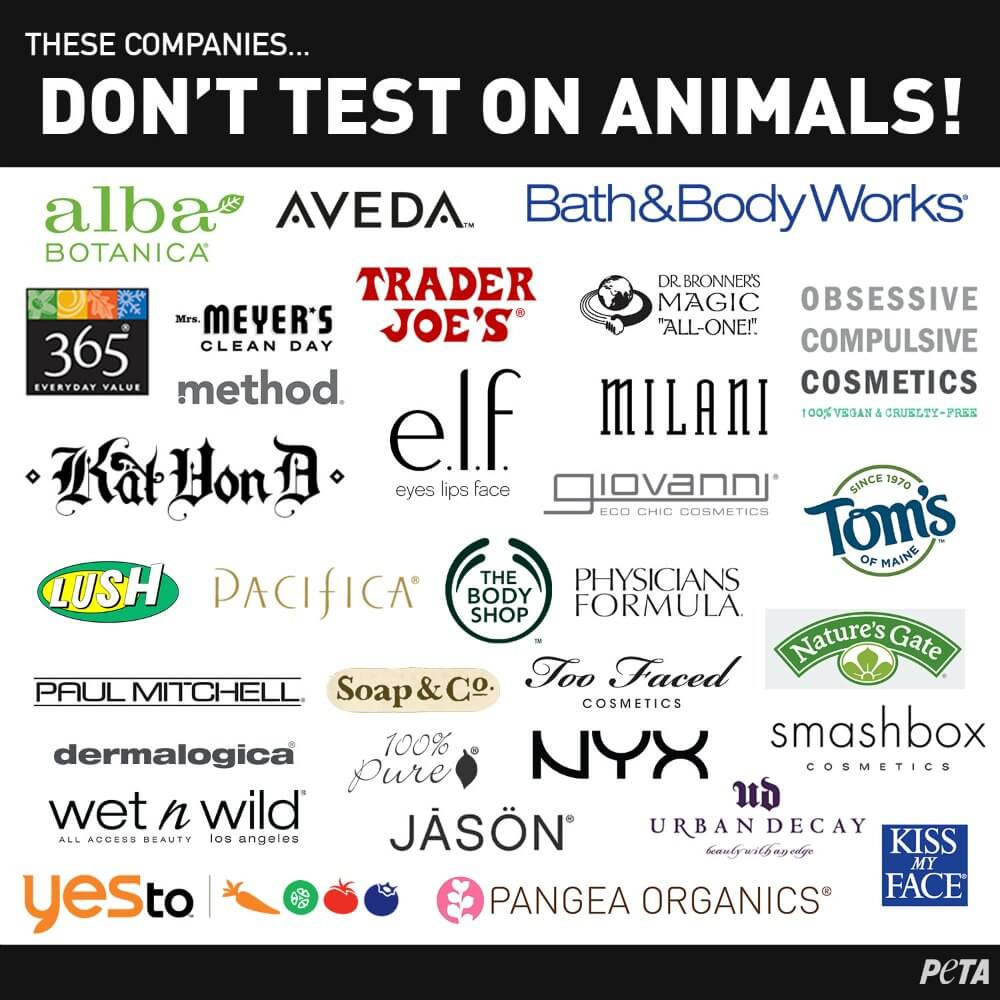
Many brands available at Ulta do proudly uphold a cruelty-free stand, refusing to test on animals. Names such as Tarte Cosmetics, Too Faced, and Urban Decay are recognized as leaders in advocating for animal welfare. Yet, this raises a pivotal hypothesis: When you purchase a product from Ulta, can you be entirely sure that your chosen brand adheres to this ethical commitment? The answer isn’t a simple yes or no.
What complicates matters further is the difference between brands that are cruelty-free and those that operate under varying international regulations. A brand might be cruelty-free in the United States but could sell in countries like China, where animal testing remains legally mandated for cosmetics. Such practices create an ethical paradox for consumers who are passionately against animal cruelty, making it essential to conduct onerous research before making a purchase.
The ethical conundrum doesn’t just stop at Ulta’s brick-and-mortar stores. Online shopping has also proliferated confusion over product safety. Many consumers rely solely on labels or tags designating a product as cruelty-free without investigating the parent companies’ practices. It is advisable to scrutinize the policies of the brands featured at Ulta from their respective websites or through cruelty-free certification groups. This often requires more than a cursory glance; understanding a brand’s ethical standing can be akin to navigating a labyrinth of corporate corporate-speak.
Moreover, in partnership with various third-party organizations, Ulta engages in cruelty-free certification efforts but often without comprehensive disclosure. This lack of transparency can engender misrepresentation. Thus, consumers are left with the challenging task of distinguishing between genuinely cruelty-free brands and those that merely market themselves as such. A call to action emerges: Be vigilant and proactive in seeking comprehensive information and clarification from brands directly.
There is an inherent challenge in labeling beauty brands. The terms ‘natural’, ‘organic’, and ‘sustainable’ can sometimes be misused or even manipulated to market products under a guise of ethicality. It becomes apparent that simply stating a product is cruelty-free does not encompass the larger ethical framework of the brand’s operations. This necessitates a scrutinizing gaze from the consumer: Are they simply paying for a label, or are they endorsing a philosophy that aligns with their personal ethics?
Ultimately, as consumers, we wield significant power. The beauty industry has been known to respond to shifts in consumer demand, especially concerning ethical issues. By supporting truly cruelty-free brands, we reinforce a market that values animal welfare over outdated and unnecessary testing methods. Thus, even while shopping at Ulta, consumers should remain steadfast in their commitment to compassion and ethical responsibility.
Furthermore, the dialogue around animal testing must evolve beyond merely labeling practices. Engaging in discussions around the broader implications of beauty product formulations, alternatives to animal testing, and legislative measures to ban such practices can foster a deeper awareness. It is our collective responsibility to advocate for transparency, asking brands the tough questions and demanding answers.
In conclusion, while Ulta Beauty promotes several cruelty-free brands, determining the overall animal welfare impact of purchases made at the retailer necessitates diligent investigation. Each product purchased from Ulta represents an opportunity to cast a vote for or against animal cruelty, placing the onus on consumers to make informed decisions. The challenge laid before us is clear: Will we prioritize ethical considerations over mere convenience, ensuring that our beauty solutions do not come at the cost of innocent lives? The journey to becoming a conscious consumer is fraught with challenges, yet it is a journey worth undertaking. The more we illuminate the intricate relationship between our choices and their consequences, the closer we come to fostering a beauty industry that prioritizes compassion and ethical integrity.