When considering cosmetic brands that espouse cruelty-free values, one name that frequently flutters to the forefront is Too Faced. The glamor of their packaging and alluring product offerings can easily captivate consumers. However, beneath the surface lies a maze of questions surrounding their animal welfare practices. As more consumers become increasingly conscientious about the ethical implications of their purchases, a pressing inquiry persists: Is Too Faced truly animal cruelty-free, or are they simply engaging in greenwashing?
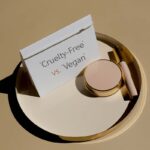
To dissect this dilemma, we must first establish what being cruelty-free and vegan entails in the beauty industry. A cruelty-free brand assures consumers that they do not test their products or ingredients on animals. This can include both the final products and their individual components. In contrast, a vegan product does not contain any animal-derived ingredients. Some brands may claim to be cruelty-free while still engaging in practices that undermine this foundational principle, thus potentially misleading consumers who prioritize ethical considerations.
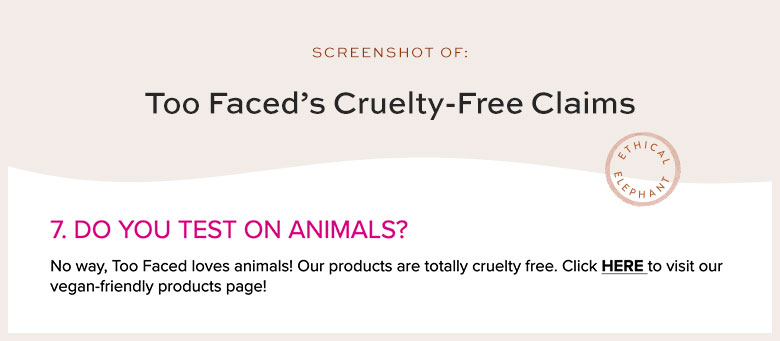
Too Faced asserts that they do not test on animals at any point during the development of their products. But how can consumers truly ascertain the legitimacy of such claims? It is not uncommon for brands to market themselves as ethical without furnishing adequate transparency regarding their supply chains. For example, while Too Faced might refrain from testing their own products on animals, they may rely on suppliers who engage in animal testing or procurement practices that are detrimental to animal welfare.
Moreover, the brand’s operations in global markets pose further complications. In certain countries, such as China, animal testing is mandated by law for cosmetic products. This leads to a quandary: if a brand sells in these markets, does it still maintain its claim of being cruelty-free? Too Faced has navigated this complex terrain by asserting that they do not engage in animal testing. Still, the question lingers: where does their commitment truly lie? Furthermore, the term “cruelty-free” is not regulated, leaving the door ajar for potential misrepresentation.
The stage is now set for an in-depth exploration of instructional practices behind Too Faced’s ethical standing. The brand emphasizes its commitment to cruelty-free principles by asserting that they have never, and will never, test on animals. This examination must extend further into their corporate social responsibilities. By evaluating their partnerships with organizations such as PETA and participating in initiatives that advocate for animal rights, one might glean insights into their genuine commitment toward ethical practices. Nevertheless, one must remain vigilant, discerning the difference between impactful activism and perfunctory gestures. The mere alliance with prominent animal rights organizations does not absolve a brand of potential complicity in animal cruelty.
Adding another layer to this critique, one must take stock of Too Faced’s product line itself. The brand markets an array of vegan products, which purport to be devoid of any animal ingredients. Yet, with the beauty industry’s proclivity for buzzwords and marketing theatrics, it begs the question: Are these products genuinely vegan, or are they the succor of greenwashing? Ingredients like carmine, derived from insects, and lanolin, sourced from sheep, have historically been mainstays in cosmetics. How can consumers be assured that their favorite Too Faced products are not employing such components masquerading under the guise of veganism?
As we galvanize our focus towards consumer responsibility and the impact of purchasing decisions, it becomes imperative to approach the matter with an analytical lens. The proliferation of social media and digital platforms has birthed a new wave of conscious consumers who demand accountability. This has, in turn, stimulated brands to project an ethical image, often employing marketing tactics that cleverly sidestep the finer details that reveal a potentially deceptive narrative. Could it be that Too Faced is riding this trend, leveraging the cruelty-free mantra to enhance market viability while lacking a robust framework to back their claims?
Furthermore, the brand’s marketing strategies occasionally utilize aesthetic appeal to cultivate an emotionally charged connection with their target audience. This emotional manipulation raises the stakes. If consumers are swayed by beautifully crafted advertisements and charming social media engagements, they may inadvertently overlook the foundational questions concerning a brand’s ethical credentials. Are sales figures becoming the paramount indicator of success, overshadowing the moral responsibilities that underpin the consumer-brand relationship?
As we meander through the intricate landscape of ethical beauty, the importance of informed choices cannot be understated. Engaging with brands such as Too Faced necessitates an exploration that goes beyond surface-level interactions. It requires searching for transparency, questioning ingredient origins, and scrutinizing supply chains. To foster a sustainable beauty industry, we must advocate for genuine ethical practices rather than succumbing to the illusions of greenwashing.
In conclusion, the query remains as enigmatic as ever: is Too Faced entirely cruelty-free, or does the reality sprawl across the murky waters of greenwashing? Ultimately, it may be incumbent upon consumers to press for answers and fortify their understanding of what cruelty-free truly entails. The onus lies with those who wield their purchasing power as an extension of their ethical values. The choices we make ripple out into the greater world; may they resonate as callings for compassion and integrity within the beauty realm.