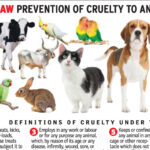
In contemporary discussions surrounding pet ownership, the topic of neutering often stirs a tempest of debate. This practice, laden with both advocacy for responsible stewardship and accusations of animal cruelty, prompts an inquiry: is neutering an ethical obligation for pet owners, or does it infringe upon the autonomy of the animal? To explore this question, one must embark on a multifaceted examination of the implications, motivations, and ethical considerations surrounding neutering.
The phenomenon of neutering—surgical sterilization—serves as a prominent method for controlling pet populations. With millions of stray and abandoned animals traversing the streets, the societal need to manage excessive breeding cannot be overlooked. By significantly reducing the likelihood of unwanted litters, neutering is often heralded as a strategic remedy for the burgeoning overpopulation crisis in shelters. An estimated 3.3 million animals enter U.S. shelters each year, and tragically, a significant proportion must be euthanized due to overcrowding. Thus, proponents of neutering argue that it embodies a form of benevolence, one that ultimately serves the greater good.
However, the discourse is not without its dissenters. Many animal rights advocates contend that neutering constitutes a violation of the animal’s natural rights. They argue that, by depriving pets of their reproductive capabilities, owners are encroaching upon the innate behaviors and biological imperatives that define these animals. This perspective is rooted in a broader philosophical stance that champions the intrinsic value of all sentient beings, maintaining that true compassion necessitates respecting an animal’s agency.
Anecdotes of animals suffering post-neutering procedures often surface in these discussions, raising concerns about the ethicality of such surgical interventions. The potential for pain, distress, and surgical complications—though statistically rare—remains a deeply unsettling aspect for many animal lovers. They question whether the benefits of population control justify these emotional and physical costs. Yet, when juxtaposed against the dire fates faced by countless abandoned animals, many argue that the anticipated pain of neutering pales in comparison to the suffering associated with homelessness and neglect.
Beyond ethical considerations, financial implications also emerge as a salient point of contention. The cost of neutering can be a prohibitive factor for some pet owners, yet programs frequently offer subsidized or free neutering services to alleviate this burden. Furthermore, it is essential to recognize that the responsibility of pet ownership extends beyond mere enjoyment; financial commitments must include decision-making about an animal’s reproductive health. In this light, the refusal to neuter may necessitate even costlier responsibilities throughout the pet’s life, including the potential for veterinary care related to breeding complications or the consequences of unwanted pregnancies.
Another layer to this dynamic involves behavioral considerations. Research indicates that unattractive behaviors, such as marking territory, aggression, and roaming tendencies, can often be mitigated through neutering. For many pet owners, a well-adjusted, sociable pet is the desired outcome. However, it is essential to note that behavior, while influenced by neutering, is also swayed by other variables, including training, environment, and the animal’s genetic makeup. Consequently, owners may grapple with the realization that neutering is not a panacea for all behavioral issues, and those who choose to navigate these complexities without hormonal intervention might still foster harmonious relationships with their pets.
Moreover, it is imperative to consider the narratives that shape human-animal relationships. Culture, tradition, and personal beliefs inform our perceptions of what constitutes responsible pet ownership. For instance, in some communities, the idea of neutering is met with resistance rooted in an attachment to natural biological processes. Conversely, urban societies increasingly recognize neutering as a normative practice aligned with compassionate care. This disparity can lead to friction among pet owners, vet professionals, and activists, often creating a polarized environment in conversations about animal welfare.
Ultimately, the question of whether neutering constitutes animal cruelty or responsible stewardship is not one that lends itself to simplistic answers. It invites a convergence of ethics, responsibility, and empathy. Each pet owner must evaluate their circumstances, acknowledge individual animal needs, and reflect upon the wider societal context. One cannot disregard the potential outcomes of unregulated breeding while also recognizing the inseparability of animal welfare from humane treatment.
As we navigate this complex landscape, it becomes evident that neutering is less about an absolute moral dichotomy and more about understanding the intricate balance between compassion, responsibility, and the autonomy of sentient beings. Through education, conversation, and the collective advocacy for ethical practices, we can empower ourselves and pet owners alike to make informed decisions that prioritize the well-being of animals and acknowledge their right to a fulfilling life—be it as cherished companions in our homes or as part of a managed community of living beings.
In conclusion, whether one perceives neutering as an act of cruelty or a manifestation of responsible pet ownership may ultimately depend upon individual circumstances, awareness of the implications, and communal values. The choice must be approached with thoughtful deliberation, tempered by a shared commitment to nurturing a more humane society where every animal can thrive—whether they are neutered or not.