The world of fast food, while synonymous with convenience and affordability, remains intertwined with ethical inquiries, particularly in the realm of animal welfare. McDonald’s, a titan in the global fast-food industry, has been under scrutiny regarding its sourcing practices and the treatment of animals within its supply chain. Questions surrounding animal cruelty evoke complex responses from consumers, politicians, and activists alike. A thorough examination of documented investigations reveals a mosaic of ethical dilemmas faced by one of the world’s most recognized brands.
At the crux of the issue lies the reality of intensive animal farming practices. McDonald’s sources a significant portion of its meat, dairy, and eggs from industrialized farms, where animals are frequently subjected to conditions that many consider inhumane. The broiler chickens raised for McDonald’s meals typically endure cramped housing, lack of natural light, and a diet rich in antibiotics intended to hasten growth rather than promote health. Such practices, unveiled by various investigations, raise profound questions about the very definition of humane treatment in modern agriculture.
Investigative reports have revealed alarming snapshots of animal treatment. A widely circulated undercover investigation reported instances of extreme confinement in cages for egg-laying hens. These hens are often crammed into battery cages, confined to mere inches of space, unable to engage in their natural behaviors. The findings illuminate the stark contrast between consumer perceptions of ethical sourcing and the grim realities faced by animals. While McDonald’s has stated that it aims to transition to cage-free eggs, the timeline for full implementation has been met with skepticism, begging the question: Is this promise a genuine commitment or merely a façade?
The company has vehemently denied allegations of animal cruelty; however, critics argue that their promises are slow in materializing. Transparency emerges as a pivotal demand from consumers. The desire for accountability is palpable. Yet, McDonald’s often obscures its supply chain practices, leaving many questions unanswered. Prompted by public outcry, the fast-food giant claims to have implemented new animal welfare guidelines, including the establishment of a Global Animal Welfare Council. This initiative, though promising in principle, emphasizes the complexity of translating policy into practice.
Moreover, investigations have exposed disturbing practices beyond livestock rearing. Reports have caught footage revealing the brutal treatment of pigs in the supply chain. These pigs, often subjected to harsh handling during transport, are routinely denied basic comforts during their journey to slaughterhouses. It prompts a pressing inquiry into the ethical implications of fast food consumption — is the insatiable demand for low-cost food making consumers complicit in cruelty? The somber realities of animal transport and slaughter, combined with an often apathetic consumer base, paint a bleak portrait of an industry poised for change yet dragged by an unwillingness to fully confront its practices.
Furthermore, the environmental repercussions of intensified animal agriculture cannot be overlooked. Industrial farming operations not only compromise animal welfare but also contribute significantly to pollution, greenhouse gas emissions, and biodiversity loss. The interconnectedness of animal welfare and environmental sustainability highlights a pressing moral obligation. McDonald’s and similar corporations have a unique opportunity to align their business models with evolving consumer values that prioritize both animal rights and ecological integrity.
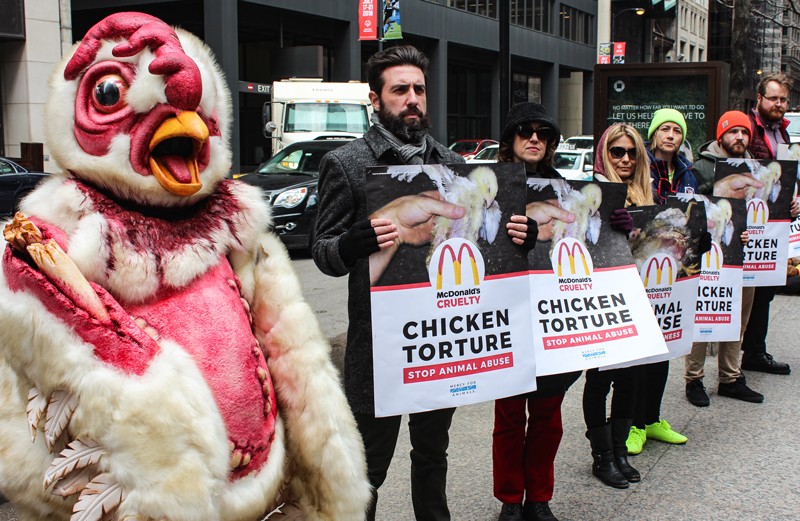
Amidst these complexities, consumer advocacy plays a crucial role in catalyzing change. Organizations dedicated to animal rights have mobilized campaigns targeting McDonald’s, shedding light on the darker corners of its supply chain. These campaigns often leverage social media, spreading awareness and fostering a community of conscientious consumers who demand ethical practices. The shift in consumer behavior, illustrated by growing plant-based trends and veganism, echoes the urgency felt by activists worldwide. As awareness burgeons, it presses corporations like McDonald’s to reassess their roles within the food system.
Amid the cacophony of criticism, it’s essential to acknowledge the paths to potential improvement. McDonald’s has made strides in areas such as reducing antibiotic use in animal husbandry, a positive note in an otherwise troubling narrative. These efforts align with a consumer base increasingly informed and concerned about food sourcing and animal welfare. The transition to more humane practices, while fraught with challenges, presents an opportunity for collaboration and greater awareness within the industry.
Ultimately, whether McDonald’s is guilty of animal cruelty may hinge on one’s perspective of what constitutes compassion and humane treatment. As investigations unveil uncomfortable truths about animal suffering, the impetus for change grows stronger. Consumers wield significant power; their choices can compel corporations to adopt higher welfare standards. The adoption of more transparent practices is not merely preferable but essential, as consumers increasingly seek brands that align with their ethics.
In conclusion, the dialogue surrounding McDonald’s and animal welfare serves as a microcosm for larger ethical debates within the food industry. The path toward animal welfare is fraught with complexities, challenges, and opportunities. Awareness is the first step toward change, igniting curiosity and prompting consumers to consider the implications of their choices. What remains undeniably clear is the necessity for continuous dialogue, scrutiny, and commitment to creating a future where animal welfare and consumer convenience can coexist harmoniously.