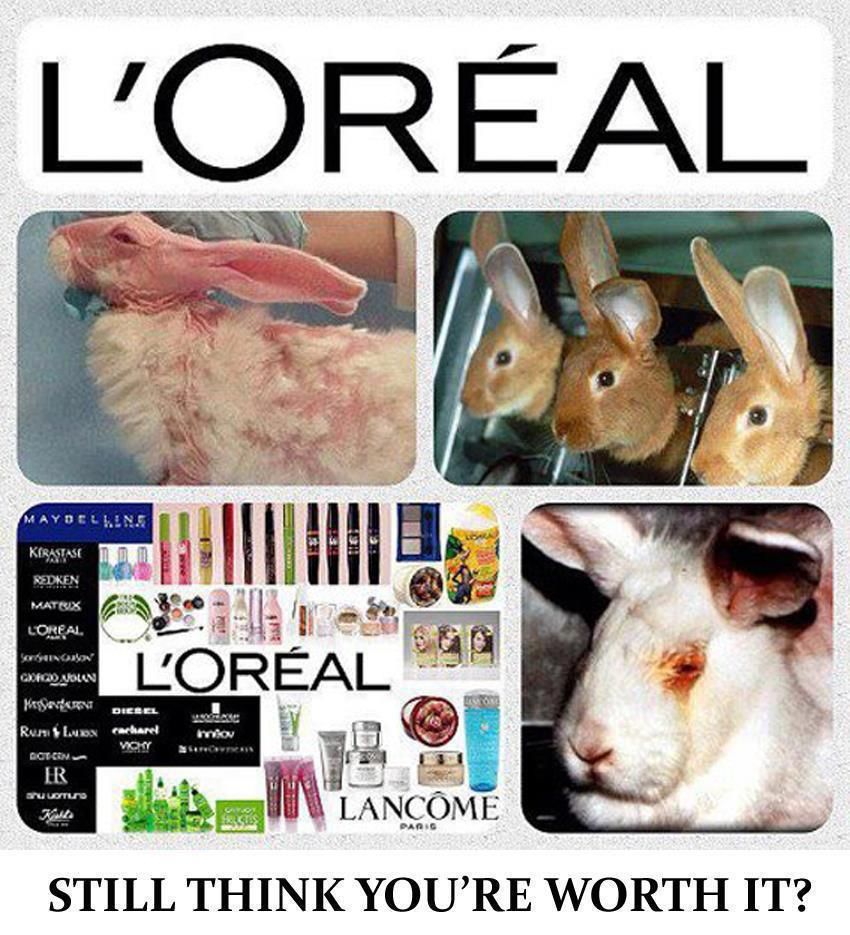
In the contemporary landscape of beauty and cosmetics, the ethical implications surrounding animal testing have garnered significant attention. L’Oréal, a titan in the cosmetics industry, has been at the center of this controversial discourse. With its storied history and expansive product lines, discerning whether L’Oréal is truly animal cruelty-free or if it continues to engage in testing practices globally is an urgent concern for conscientious consumers.
To unravel this complex issue, it’s essential to understand the fundamentals of animal testing in the cosmetics industry. Animal testing refers to the use of non-human organisms, typically rodents and rabbits, to evaluate the safety and efficacy of beauty products before they are marketed to consumers. This practice has incited activism and resistance, leading to the rise of cruelty-free products that appeal to ethical consumers.
L’Oréal, established in 1909, represents a multifaceted case in this debate. The company asserts a commitment to ethical practices, claiming to have ceased animal testing for its products since 1989. Their pioneering initiatives towards alternatives such as in vitro (test-tube) testing and computer modeling underscore their resolve to find humane solutions in product development.
However, the narrative complicates when considering L’Oréal’s international distribution, particularly in regions such as China. The Chinese government mandates animal testing for many imported cosmetics, which puts brands like L’Oréal in a precarious situation. While the company maintains that their domestic brands do not engage in animal testing, the complexities of Chinese regulations prompt scrutiny over the integrity of such claims.
In 2014, the Chinese government announced reforms to its animal testing laws, which enabled the sale of certain cosmetics without obligatory animal testing. Despite this advancement, it still left room for companies to test on animals depending on product classifications. This inconsistency can create ambiguity for consumers who rely on simple declarative statements about cruelty-free practices.
In response to the growing consumer demand for transparency, L’Oréal has undertaken measures to appeal to ethical sensibilities. The introduction of their “L’Oréal for the Future” program aligns with a sustainability framework that seeks to reduce their ecological footprint while promoting animal welfare. However, skeptics question whether this initiative effectively addresses the paradox of operating within markets that uphold animal testing requirements.
Furthermore, the landscape of cruelty-free certification is diverse and occasionally convoluted. Organizations such as Leaping Bunny and PETA offer certifications that signal a brand’s commitment to non-animal testing practices. L’Oréal has not pursued these certifications, which can raise eyebrows amongst those who adhere strictly to established cruelty-free criteria. The lack of third-party endorsement prompts many to critically analyze L’Oréal’s self-proclaimed ethical image.
Public perception also plays a pivotal role in the discourse surrounding animal testing and corporate accountability. The rise of social media has empowered consumers, enabling them to challenge brands on ethical grounds vocally. Activism through online platforms creates an environment where demands for transparency and honesty in corporate practices can significantly impact a company’s reputation and profitability.
The duality of L’Oréal’s position exemplifies the ongoing ethical dilemmas faced by corporations in the modern world. While their commitment to finding alternatives to animal testing is commendable, the implications of operating in regions with stringent animal testing protocols produce a dissonance that cannot be overlooked. This scenario raises questions about the true efficacy of ethical branding in an increasingly interconnected world.
It is also worth examining consumer responsibility in this complex web of corporate practices. Shoppers wield substantial influence through their purchasing decisions. Opting for brands that align with cruelty-free philosophies can drive demand for ethical practices and instigate transformative changes within the industry. Responsible consumerism, combined with heightened awareness, encourages brands like L’Oréal to reevaluate their strategies and align them closer to ethical standards in animal welfare.
The pathway to eradicating animal testing in the cosmetics industry remains a formidable challenge, beset by regulatory labyrinths and corporate interests. While L’Oréal advocates for innovation in testing alternatives, vigilant consumers must remain skeptical, ensuring that their demands for non-cruelty protocols are met without compromise. The conversation surrounding L’Oréal encapsulates broader themes about ethics in consumerism, corporate accountability, and animal welfare in a global context.
In conclusion, the question remains: Is L’Oréal indeed an animal cruelty-free brand, or does it still partake in testing internationally? While L’Oréal has made strides in limiting animal testing and advocating for alternatives, the reality of operating in markets with mandatory animal testing practices complicates their narrative. As consumers navigate these complexities, they must remain informed and engaged, championing transparency and ethical practices in efforts to abolish animal cruelty in the cosmetic industry.