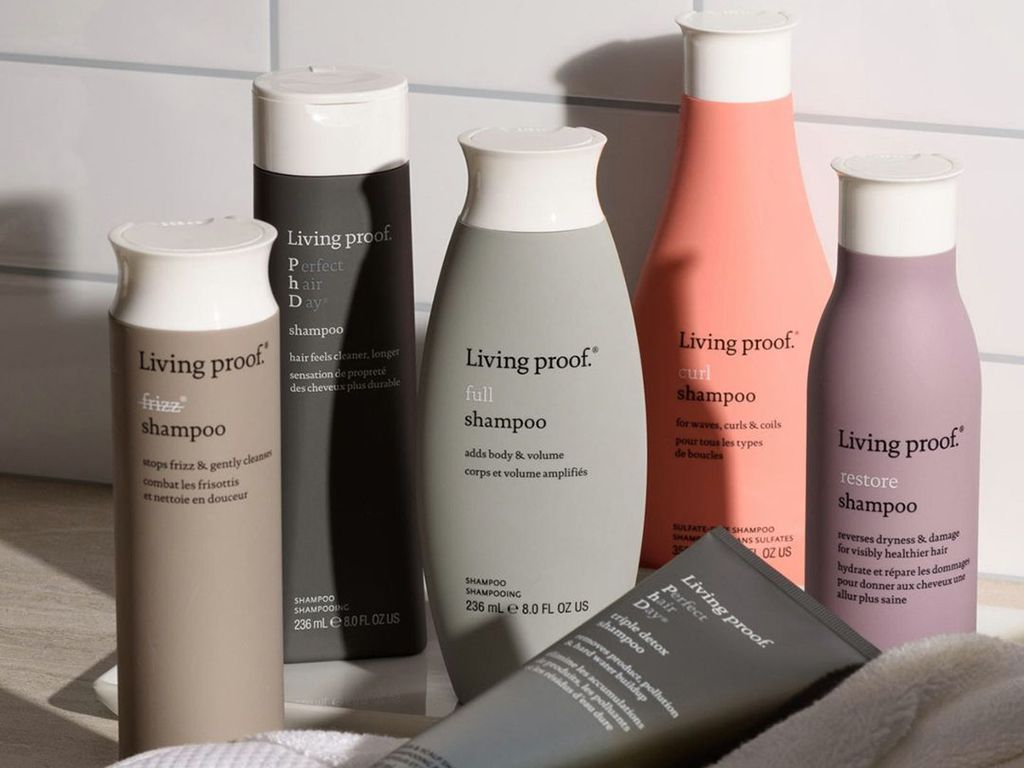
In recent years, the beauty and personal care industry has witnessed a significant shift towards ethical consumption. As consumers become more conscientious about the products they use, the demand for cruelty-free brands has surged. Among these brands is Living Proof, renowned for its scientifically formulated haircare products that promise transformative results. However, a pressing question looms over the brand’s ethical standing: Is Living Proof truly a cruelty-free haircare brand?
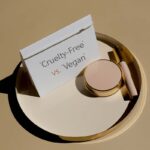
The term “cruelty-free” generally denotes that a cosmetic or personal care brand neither tests its products on animals nor employs third-party testing. This designation is crucial for animal welfare advocates and conscious consumers alike, as it reflects a commitment to humane practices within an industry often scrutinized for its ethical transgressions. To understand Living Proof’s stance, one must delve into its policies, third-party affiliations, and the overarching practices within the beauty industry.
Living Proof asserts its commitment to being a cruelty-free brand. It explicitly states on its website that the company does not engage in animal testing, nor does it permit others to conduct such tests on its behalf. This declaration aligns with the principles of many other cruelty-free brands, which strive to uphold transparency in their operations. However, mere statements can sometimes obscure deeper complexities, especially in a global marketplace where regulations and practices vary widely.
A critical aspect of evaluating a brand’s cruelty-free status lies in its geographical reach. Many brands, particularly those with international distribution, may find themselves in jurisdictions where animal testing is mandated by law. For example, China historically implemented stringent regulations requiring animal testing for cosmetics sold within its borders. While Living Proof has made strides to assert its cruelty-free ethos, questions arise regarding compliance with such regulations if the brand seeks to expand into markets that necessitate animal testing. One must question whether the brand’s commitment holds firmly in the face of global pressures.
Further complicating matters is the dialogue surrounding parent companies and their ethical practices. Living Proof is owned by Unilever, a conglomerate with numerous brands under its umbrella. While Unilever has made public commitments to eliminate animal testing across all its products, concerns linger about the implications of ownership for Living Proof’s ethical narrative. Do the actions of larger parent companies dilute the individual brand’s commitment to cruelty-free practices? This is an essential consideration for consumers passionate about animal welfare.
The notion of transparency is paramount in fostering consumer trust. Living Proof has made endeavors to communicate its policies, but the effectiveness of such communication hinges on how transparently the brand discloses its supply chain. Are all ingredients sourced from suppliers that uphold cruelty-free standards? Are subcontractors or collaborative brands free from questionable testing protocols? These inquiries are crucial for discerning customers who demand a comprehensive understanding of the products they choose to support.
Moreover, the health and beauty industry is rife with misinformation. The prevalence of so-called “natural” and “organic” products raises eyebrows when animal testing practices are not externally verified. Certain ingredients, while derived from nature, may still be subjected to testing protocols that contravene cruelty-free standards. Therefore, rigorous scrutiny of Living Proof’s ingredients and their sourcing becomes paramount to validating any claims of being cruelty-free.
Alongside the discussion of animal testing and ingredient sourcing, there is a broader conversation regarding ethical consumerism. Buying cruelty-free products should extend beyond satisfying one’s ethical preferences; it should also encourage a comprehensive understanding of the impact of our purchasing decisions. The allure of convenient access to high-quality products must be balanced with an alignment between consumer values and corporate practices. Living Proof’s appeal lies not only in its innovative formulations but also in its positioning as a conscientious brand. This raises the question: Can ethical consumerism coexist with a pursuit of beauty and haircare efficacy?
In response to emerging dilemmas, it is imperative for consumers to take active roles in shaping the narrative of brands like Living Proof. By seeking out cruelty-free certifications and supporting transparency initiatives, consumers can exert pressure on brands to uphold and elevate their ethical standards. The collective voice of conscientious consumers can influence larger companies and, in essence, drive systemic change within the industry.
As one navigates the intricate web of beauty brands and ethical considerations, the challenge remains to dissect the reality of claims versus the perception of practices. Living Proof, with its claims of being cruelty-free, provides a compelling case that merits scrutiny. While the brand professes adherence to humane practices, the complexities of ownership, global operations, and ingredient sourcing invite deeper reflection.
In conclusion, the inquiry into whether Living Proof is a truly animal cruelty-free haircare brand beckons consumers to remain vigilant, informed, and participatory in the dialogue surrounding ethical beauty. As the industry evolves, it is incumbent upon consumers to demand clarity, champion transparency, and ensure that the values of compassion resonate through the brands they support. The quest for beauty should not come at the cost of animal welfare; rather, it should harmonize with a commitment to ethical consumption and an enduring respect for all living beings.