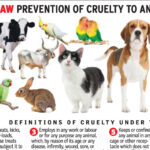
The question of whether killing a dog is always considered animal cruelty delves into a complex interplay of legal definitions and moral considerations. Various cultures and societies interpret animal welfare differently, consequently influencing perceptions of what constitutes cruelty. Understanding the nuances involved in this debate requires an exploration of legislative contexts, ethical frameworks, and societal attitudes towards animals.
Legally, animal cruelty is defined by statutes that vary significantly across jurisdictions. In most parts of the world, animal cruelty laws prohibit intentional harm, neglect, or abuse towards animals. The challenge arises when determining the circumstances under which the death of a dog may be legally justified. Cases of euthanasia, for example, may be seen as humane and necessary, particularly if an animal is suffering from an incurable illness or injury. Additionally, incidents involving self-defense—where a dog poses a threat to human safety—often complicate the legal landscape. In such scenarios, laws may protect individuals who take drastic measures to safeguard themselves or others.
However, legal justification does not necessarily equate to moral acceptability. The ethical implications of killing a dog must be examined through various lenses, including utilitarianism, deontological ethics, and virtue ethics. Proponents of utilitarianism would argue that the morality of an action is gauged by its outcomes. In this framework, if euthanizing a terminally ill dog alleviates suffering and is deemed the most compassionate choice, it may be seen as morally justified. Conversely, a strict interpretation of deontological ethics holds that certain actions are inherently wrong, regardless of the consequences. From this vantage point, taking the life of a sentient being, such as a dog, could never be condoned, consistently deemed an act of cruelty.
The societal perception of dogs has evolved over time. In contemporary culture, dogs are often regarded as companions and family members rather than mere property. This shift has significant implications for how society views their treatment and the morality of killing them. In the past, dogs might have been culled for public health reasons or to manage feral populations without significant backlash. Today, such actions are scrutinized and must be justified through ethical and humanitarian arguments. Advocacy groups have worked tirelessly to raise awareness about the treatment of animals, promoting frameworks that prioritize their welfare and societal worth.
Another critical aspect of the debate centers on the distinction between humane euthanasia and inhumane killing. The former is predicated on the principle of minimizing pain and suffering, often administered by a veterinarian who administers medications to ensure a peaceful passing. On the other hand, inhumane killings, which may involve neglect or acts of violence, are unequivocally categorized as animal cruelty. This distinction reinforces the notion that the killing of a dog must be weighed against the context, intent, and consequences surrounding the act.
The heart of the matter lies in realizing that while legal frameworks provide some guidelines, they often fall short of fully encapsulating the breadth of ethical considerations. Furthermore, cultural norms also shape attitudes towards these acts. Different cultures may view the relationship between humans and dogs through unique prisms informed by agricultural traditions, spiritual beliefs, and historical practices. In some regions, dogs play vital roles beyond companionship, serving as herders, hunters, or even integral parts of traditional rituals. Consequently, the act of killing a dog can garner vastly different interpretations based on cultural context.
Public outcry surrounding instances of alleged animal cruelty—such as the killing of heroic dogs that have served in service roles—often catalyzes broader discussions on this topic. Hero dogs, celebrated for their loyalty and bravery, become symbols of the intrinsic value of canine lives and the imperative to protect them from harm. The emotional responses elicited by their deaths underscore the moral weight of our relationship with these animals and provide a poignant reminder of the necessity of empathy in our interactions with all living beings.
Engaging in this discourse necessitates recognizing the diversity of viewpoints that exist in the realm of animal rights and welfare. Animal advocates stress that society must not only enforce stricter animal protection laws but also cultivate social awareness that emphasizes compassion and responsibility. Education plays a pivotal role in shaping attitudes towards animals and their treatment, paving the way for informed discussions about ethical treatment and humane practices.
In conclusion, the question of whether killing a dog is always considered animal cruelty cannot be simplistically answered with a straightforward yes or no. The legal, moral, and societal threads interwoven in this debate reveal a rich tapestry; they necessitate profound consideration and discourse. While laws may offer a baseline for protecting animal welfare, moral imperatives often demand deeper introspection and commitment to compassion. As society continues to evolve in its understanding of the human-animal bond, challenging conversations about the ethical implications of animal treatment will remain vital in creating a more humane world for all living creatures.