The debate surrounding the ethical implications of killing cows for meat has remained a contentious topic throughout modern history. At its core lies the question of whether this act constitutes animal cruelty or if it is merely an accepted practice within the realm of agriculture. To explore this complex dilemma, it is paramount to examine several interconnected factors, including the historical context of livestock domestication, the ethical considerations surrounding animal welfare, and the agricultural practices that inform contemporary meat production.
First and foremost, understanding the historical context of cattle domestication provides insight into mankind’s longstanding relationship with these animals. Cows have been integral to human agriculture for thousands of years. Initially, they served both as a source of labor and sustenance. Their domestication marked a significant milestone in human civilization—ushering in an era where meat production emerged as a staple of human diets. The agrarian societies of yore developed various methods for raising cattle, often ensuring that these creatures lived in environments tailored to their needs.
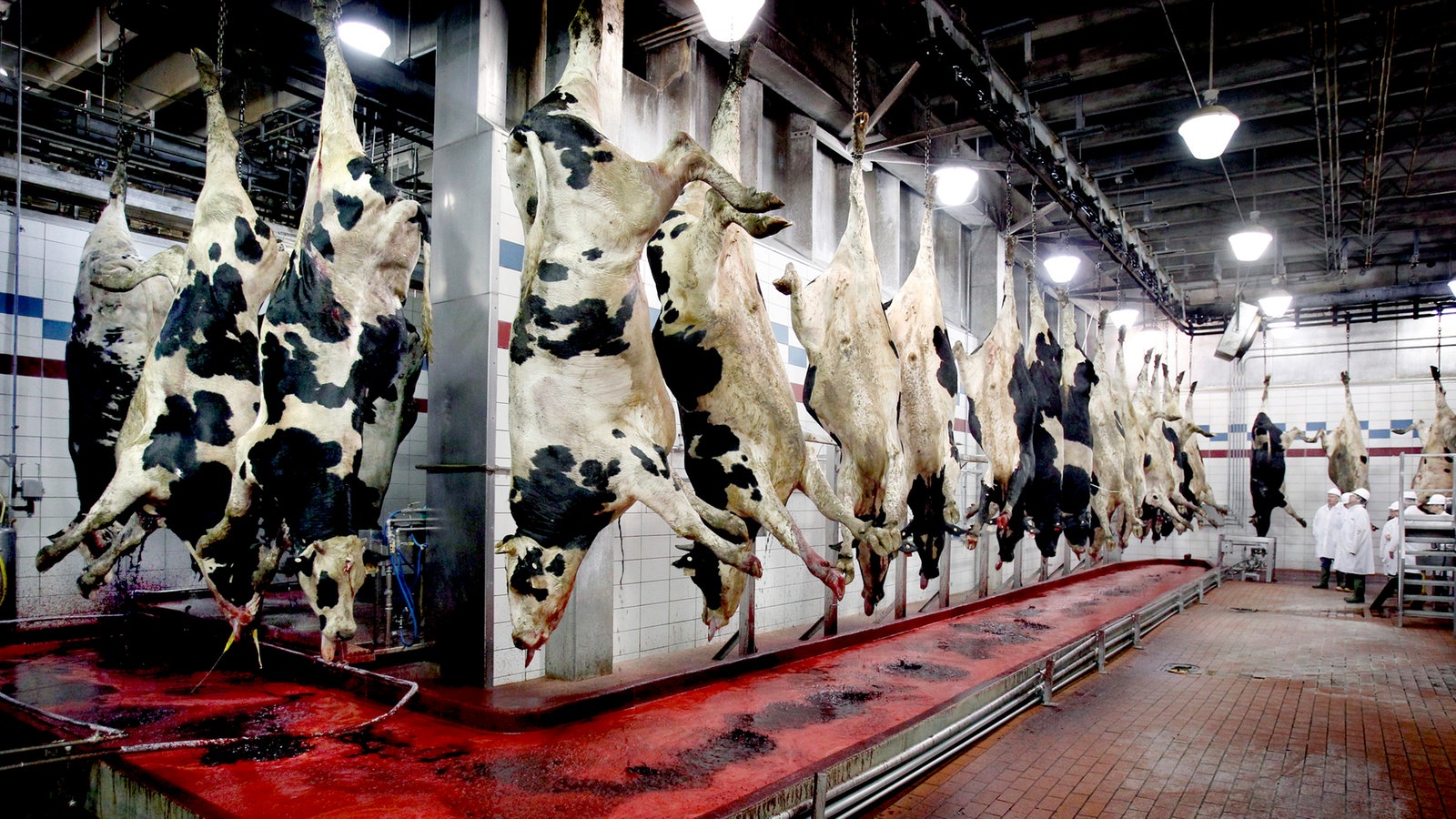
However, the evolution of agricultural practices throughout the 20th and 21st centuries has radically transformed the dynamics of cattle farming. The advent of industrial agriculture has ushered in practices that prioritize efficiency and profitability above all else. Factory farming has become synonymous with mass production, often leading to methods that compromise animal welfare. Cows are typically raised in overcrowded conditions, deprived of natural behaviors they might engage in if permitted to roam freely. This profound shift raises critical ethical questions: is it humane to raise animals in such environments, ultimately culminating in their slaughter for meat?
Animal welfare advocates argue that modern agricultural methods often inflict significant psychological and physical distress upon cows. Evidence suggests that many bovines experience stress when subjected to cramped quarters and lack of social interaction. Some studies indicate that high-stress environments can lead to compromised immune systems and susceptibility to disease, which raises not only ethical concerns but also questions about public health. Activists urge that compassion should guide our treatment of all sentient beings, advocating for a reevaluation of how livestock is raised in agricultural contexts.
On the other side of the deliberation are those who argue for the necessity of meat consumption within human diets. Proponents assert that evolutionary biology underscores a natural inclination toward omnivorous diets. They posit that protein is an essential nutrient, and meat serves as a significant source for many individuals. Cultural practices and traditions surrounding meat consumption also hold weight in this debate. For various communities, livestock such as cows are woven into the very fabric of their identities, heritage, and culinary practices.
Another layer to consider involves the regulatory frameworks governing livestock farming in numerous countries. Many regions are making strides towards ensuring higher welfare standards for farm animals, seeking to balance agricultural demands with ethical treatment. However, the disparity between regulations can lead to significant variances in practices from one locale to another. In some countries, cows may benefit from stringent animal welfare laws ensuring they are raised in humane conditions. In others, lackadaisical enforcement allows for continued practices that many deem cruel.
This nuanced terrain fuels conversations about sustainable agriculture and the need for reform. Advocates are increasingly calling for a transition towards regenerative farming practices that emphasize the well-being of animals. Regenerative agriculture is an approach that aims not only to produce food sustainably but also to restore ecosystems through holistic practices. By adopting these methods, farmers could potentially mitigate some of the ethical issues associated with contemporary livestock farming while providing grass-fed, ethically raised meat options.
Furthermore, the increasing prevalence of plant-based diets and alternative protein sources possesses a transformative potential. The rise of veganism and vegetarianism reflects a systemic shift in societal values, where consumers often prioritize ethical consumption and environmental sustainability. Innovations in laboratory-grown meat and plant-based alternatives suggest that there may be viable paths to reduce the need for traditional animal farming. With technological advancements, the manner in which we consume protein may evolve dramatically in the coming decades.
As society grapples with these multidimensional considerations, it is crucial to engage in a thoughtful discourse that includes diverse perspectives. Stakeholders ranging from farmers, policymakers, consumers, and animal rights advocates must collaboratively examine the implications of cattle farming practices. The resolution of whether killing cows for meat constitutes animal cruelty or a normative agricultural practice will likely remain a source of contention. However, fostering an environment where dialogue thrives allows us to reflect on our ethical responsibilities towards the animals we share our planet with.
Ultimately, the question persists: can we reconcile our dietary habits with an ethical framework that respects animal welfare? The answer may reside in a commitment to reforming agricultural practices, advocating for humane treatment of livestock, and embracing dietary shifts that prioritize compassion over convenience. Each step we take towards elevating animal welfare standards reflects a broader understanding of our interconnectedness with all living beings, inviting a paradigm shift that acknowledges both agricultural necessity and moral obligation.