In the digital age, the question surrounding the ethics of zoos and their role in animal welfare remains a contentious topic among conservationists, animal rights activists, and the general public. With the dual narrative of animal cruelty versus conservation efforts, it becomes imperative to dissect the nuances of this debate. This article seeks to evaluate whether the practice of keeping animals in captivity serves a greater purpose or perpetuates an inherent cruelty.
One of the primary arguments in support of zoos is their purported role in conservation. Many zoos claim to contribute to species preservation through captive breeding programs aimed at reintroducing endangered species into their natural habitats. For instance, the California condor and the black-footed ferret have benefitted from such initiatives, with zoos playing a pivotal role in increasing their populations. Advocates tout the success of these breeding programs as evidence that zoos can fulfill a conservationist mission.
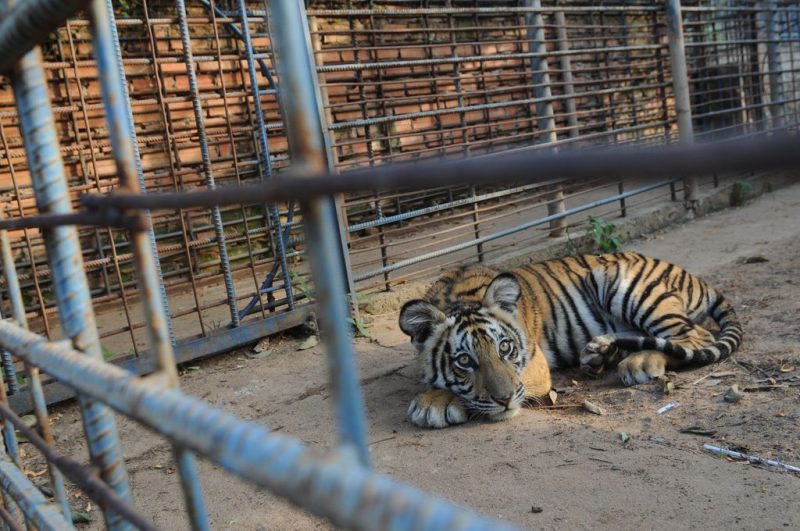
However, a closer examination reveals an unsettling reality. The recreational ambiance of many zoos, often designed more for entertainment than education or conservation, raises questions about the actual commitment to preserving wildlife. The question arises: if the ultimate goal is conservation, why are there still animals in captivity for the sake of public amusement? Many animals are relegated to small enclosures, where their natural behaviors are compromised, detracting from their quality of life.
Furthermore, the psychological ramifications of captivity are profound. Animals in the wild exhibit instinctual behaviors that are critical to their well-being. In contrast, the confines of a zoo can lead to aberrant behaviors often referred to as “zoochosis.” This term describes a spectrum of psychogenic disorders in captive animals, manifesting as repetitive movements, aggression, or self-mutilation. These behaviors underscore the detrimental effects of depriving animals of their natural environments.
Moreover, the argument for conservation often overlooks the crucial role of habitat preservation. Many species face extinction not primarily due to a lack of breeding within artificial settings but due to the ongoing degradation of their natural habitats caused by human activities such as deforestation, urbanization, and climate change. In this context, redirecting resources towards habitat preservation efforts could yield more significant benefits for wildlife, addressing the root causes of endangerment rather than merely the symptoms.
While some zoos emphasize educational initiatives, the effectiveness of such programs remains in question. Visitors may leave with a greater appreciation for wildlife, but this awareness often fails to translate into actionable conservation efforts. In reality, many individuals view zoos as simply a form of entertainment, rather than engaging with the ethical implications of animal captivity. The allure of observing exotic animals often overshadows the critical conversations about animal rights and welfare that need to be at the forefront of any discussion on zoos.
Moreover, the concept of “sanctuaries” often emerges in contrast to traditional zoos. These facilities prioritize animal welfare, rehabilitation, and genuine conservation. Sanctuaries provide a refuge for animals rescued from abusive situations or failed entertainment ventures, ensuring that they live in environments mimicking their natural habitats as closely as possible. Unlike zoos, the primary focus of sanctuaries is on the well-being of the animals, rather than human entertainment or profit. This paradigm shift highlights the potential for a more ethical alternative to traditional zoos.
It is also important to consider the geographic variability in how animals are treated in zoos around the world. While some institutions adhere to high welfare standards and focus on legitimate conservation efforts, others operate in ways that prioritize profit over the ethical treatment of animals. This disparity complicates the conversation surrounding zoos, as it underscores the need for standardized regulations and higher ethical benchmarks across the board. Implementing consistent welfare standards would not only benefit the animals but could also enhance the public perception of zoos as institutions committed to animal welfare.
As public sentiment shifts toward a more compassionate understanding of animal rights, there is a growing consensus that zoos must evolve or face obsolescence. The future of wildlife conservation may well lie in utilizing technology and creating virtual experiences that educate people about animal behaviors and ecosystems without the inherent cruelty that comes with captivity. Interactive apps, virtual reality, and online wildlife observation can offer transformative experiences that captivate audiences without compromising animal integrity.
In conclusion, the debate over whether keeping animals in zoos constitutes animal cruelty or serves as a tool for conservation is multifaceted and fraught with ethical dilemmas. While some zoos posit conservation efforts as a justification for captivity, the reality is that many institutions prioritize entertainment over the well-being of the animals. As society grapples with these issues, a critical re-evaluation of zoos as custodians of animal welfare is necessary. Ultimately, the focus should not only be on preserving endangered species but also on fostering environments where all animals can thrive free from the constraints of captivity. The question remains, is it time to redefine our relationship with wildlife, moving beyond confinement toward a more compassionate, informed, and effective approach to conservation?