The practice of using animals in cosmetics testing raises profound ethical concerns, provoking heated debates amidst advocates for animal rights and those in the beauty industry. This discussion delves into the complexities surrounding animal testing in cosmetics, expanding on its history, methodologies, alternatives, and the moral implications involved.
Historically, the use of animals for testing cosmetics dates back to the early 20th century. This practice emerged as a means to ensure consumer safety. However, as ethical considerations evolved, so did public perception regarding the treatment of animals in scientific research. Initially perceived as a necessary evil, the cruelty involved in this practice is now scrutinized more than ever.
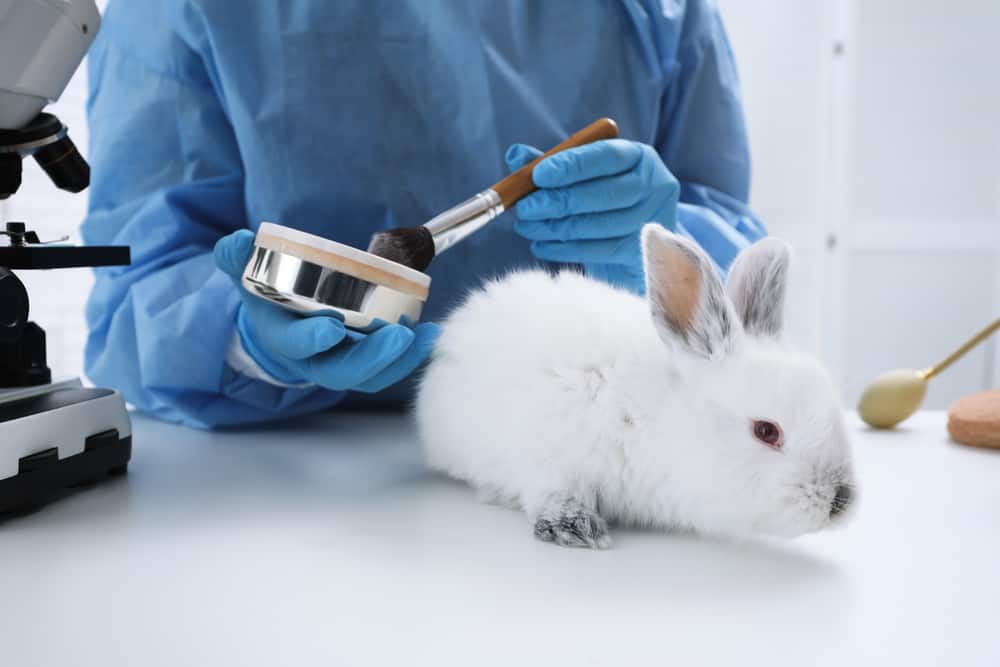
Animal testing typically involves subjecting a variety of species—mice, rats, Rabbits, and dogs—to potentially harmful substances to observe any adverse reactions. These tests often culminate in pain, suffering, and ultimately, death for countless animals. Various methods, such as skin irritation tests and eye irritancy assessments, have been historically employed. In these procedures, animals may experience severe discomfort, injuries, or even systemic health issues.
The ethics of this practice hinges on the fundamental question: do the ends justify the means? The crux of the matter lies in weighing the necessity for safety against the moral obligation to uphold the welfare of sentient beings. Proponents argue that animal testing is indispensable for consumer safety and that it uncovers potential hazards that might not otherwise be recognized. Critics vehemently oppose this rationale, positing that animals are not mere tools for human use, and that subjecting them to painful or lethal tests is inherently cruel.
Amidst growing calls for reform, various alternatives to animal testing have emerged, gaining traction in both the scientific and consumer spheres. In vitro testing, for instance, utilizes human cells and tissues to assess the safety and efficacy of cosmetic products without resorting to animal subjects. Additionally, computer modeling and simulations can effectively predict human responses to a product based on existing biological data, thereby providing a cruelty-free avenue for research.
The regulatory landscape surrounding animal testing in cosmetics varies widely by region. In the European Union, for instance, extensive bans on animal testing for cosmetic products and their ingredients have been instituted, showcasing a robust commitment to animal welfare. Similar regulations are gaining ground in countries like India and Israel, further signaling a shift in the paradigm concerning animal rights and cosmetics testing.
However, not all regions exhibit the same progressive stance. The United States, for instance, does not have a federal ban on animal testing for cosmetics, which allows companies to engage in such practices if they choose. This discrepancy promulgates a climate of confusion for consumers advocating for cruelty-free products. Consequently, many consumers are left grappling with whether their favorite brands test on animals, leading to the proliferation of labels that may or may not assure customers of ethical practices.
Furthermore, the definitions of cruelty-free can be nebulous and inconsistent among brands. Some companies, while claiming to be cruelty-free, may still engage in practices that subject animals to indirect suffering or may rely on suppliers that do. This discrepancy raises ethical questions about transparency within the cosmetics industry and the extent to which consumers can trust brand claims.
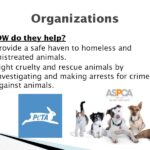
The role of consumers in this equation cannot be overstated. With heightened awareness of animal rights issues, informed consumers are increasingly seeking out cruelty-free options, exerting pressure on the industry to adopt humane practices. Advocacy groups play a crucial role in educating the public about the implications of animal testing and promoting cruelty-free certifications. The rise of social media has amplified these messages, providing a powerful platform for change.
In addition to advocating for changes within the industry, organizations often engage in rescue efforts, aiming to rehabilitate animals that have been subjected to testing. These initiatives highlight the profound impact animal testing has on individual lives, breathing life and hope into the otherwise tragic narrative of these sentient beings. Such endeavors serve as poignant reminders of the responsibilities humans possess towards other creatures inhabiting this planet.
Nevertheless, there persists a contingent that argues for the necessity of animal testing as the only means of ensuring safety for human consumers. They contend that without the use of animals, the industry would jeopardize public health. This argument hinges on a fear-based outlook on product safety, prioritizing potential human outcomes over the ethical treatment of animals. Yet, as alternatives continue to demonstrate efficacy, the necessity of animal testing becomes increasingly questionable.
Ultimately, the question of whether it is cruelty to use animals in cosmetics testing is multi-faceted and steeped in ethical deliberations. As the dialogue evolves, so too does the need for greater awareness, transparency, and advocacy within the cosmetics industry. Understanding the complexities of animal testing can empower consumers to make informed choices, supporting brands that align with their values. In this transforming landscape, it is imperative to continue questioning the status quo and championing the rights of those who cannot advocate for themselves.
The future of cosmetics testing must embody compassion and innovation, ensuring safety without sacrificing the welfare of our animal counterparts. Embracing cruelty-free practices not only reflects a commitment to humane values but also embodies a progressive step towards a more conscientious and ethical society.