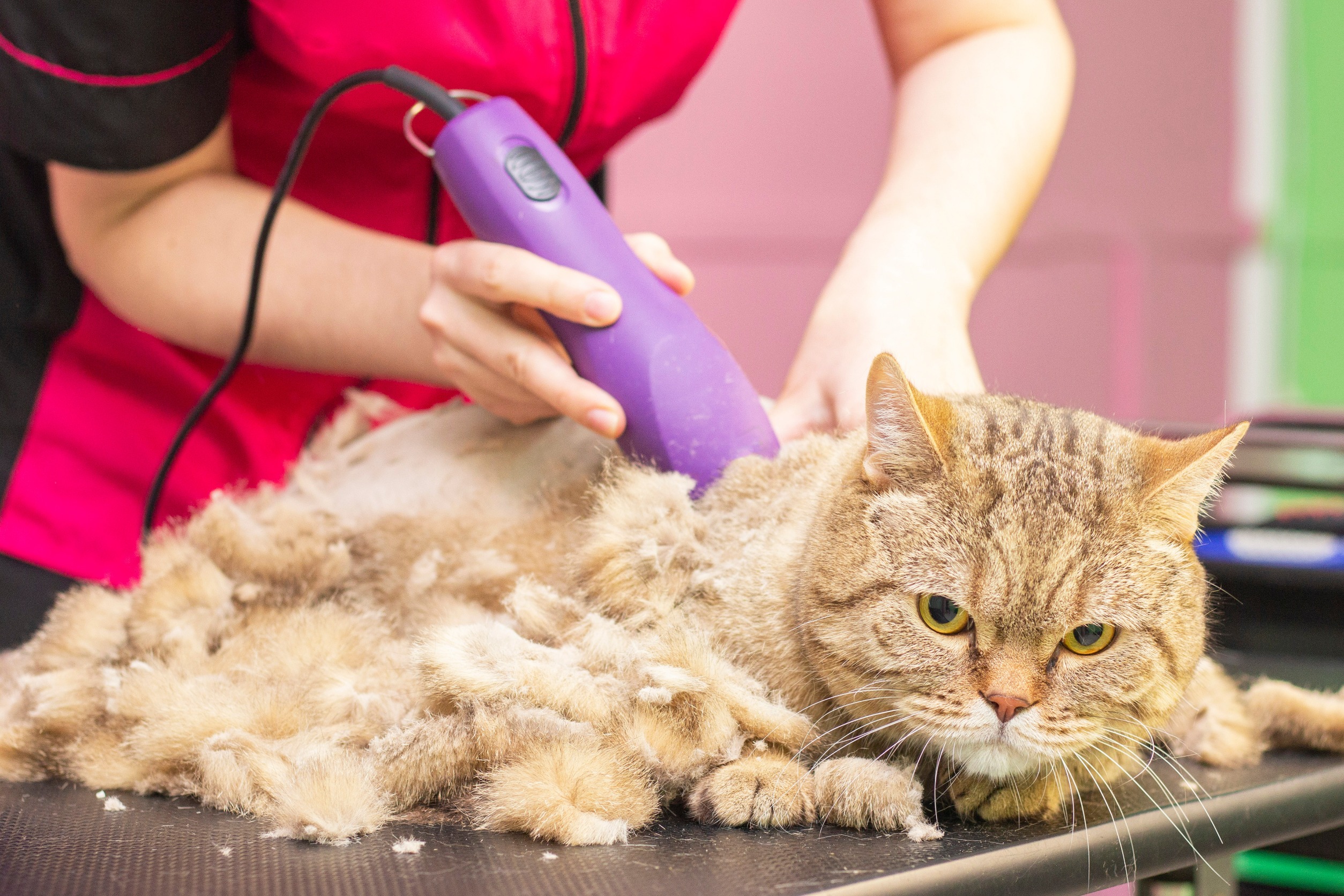
When it comes to the topic of whether to shave a cat, it is essential to navigate through a myriad of factors that comprise the well-being of these beloved pets. Grooming is often touted as a key component of responsible pet ownership, yet questions around the propriety of shaving cats can incite heated debates among pet owners, veterinarians, and animal welfare advocates. This discourse necessitates a thorough examination of the implications surrounding the practice of shaving cats and whether it constitutes an act of cruelty or an essential grooming technique.
To begin, it is pivotal to understand that the domesticated cat, as a species, has distinct physiological and psychological needs. Cats possess a unique coat composed of a plethora of hair follicles that provide insulation, protection, and even sensory feedback about their environment. Removing this coat through shaving can lead to an array of consequences, some negative, that warrant careful consideration.
Firstly, let us explore the physiological repercussions of shaving a cat. Cats, inherently equipped with dual-layered fur, have their undercoat and topcoat serving distinct functions. The undercoat provides warmth in colder months, while the topcoat serves as a protective barrier against sun exposure and external elements. By shaving the cat, this natural barrier is compromised, exposing the animal to potential skin irritations, sunburn, and even a risk of hypothermia during colder months. For the cat, such vulnerabilities can manifest in distress and discomfort.
Furthermore, a cat’s fur serves as a natural insulator and regulator of body temperature. Disrupting this balance through shaving could lead to overheating, especially in warmer climates. Cats are adept self-groomers; their tongues are uniquely designed to remove loose fur while distributing natural oils, which help in maintaining skin health. Thus, the instinctual patterns and behaviors of cats may be altered; this raises the question: is shaving truly a beneficial practice, or does it disrupt their innate sense of comfort?
Nonetheless, there are scenarios where shaving may be considered as a practical solution. For example, certain medical conditions necessitate grooming alternatives such as shaving to facilitate proper hygiene and post-surgical care. In instances where a cat suffers from matted fur, which can lead to painful skin conditions, a shave may alleviate discomfort and enable recovery. Yet, it is imperative to note that such decisions should be informed by a qualified veterinarian who can assess the specific conditions and circumstances that dictate the need for shaving.
Moreover, an essential aspect to consider is the psychological impact that shaving can impose on a cat. Cats thrive in environments wherein they perceive a sense of control and familiarity. The disruption that comes from the unfamiliar sensation of a shaved coat can lead to feelings of anxiety and confusion. Following a shave, a cat may exhibit behaviors indicative of stress—hiding, excessive grooming, or even aggression. These actions highlight the emotional ramifications of abruptly altering their physical appearance, which can subsequently affect their overall health and demeanor.
A comorbid concern necessitating discussion centers around the grooming methodologies employed by pet owners. An untrained individual wielding clippers may inadvertently injure the animal, exacerbating potential repercussions of an already contentious issue. The presence of psychological stress combined with physical injuries not only challenges the ethics of shaving but also question the broader implications of pet grooming practices as instilled by societal norms.
For those arguing against shaving, alternatives abound that can still foster optimal grooming without the perils of shaving. Regular brushing tailored to the specific coat type of the cat can prove advantageous. Not only does it prevent matting, but it also allows for a deeper bond between the cat and its owner, offering both parties an opportunity for enrichment and interaction. Additionally, the introduction of professional grooming services, staffed by individuals certified in feline grooming, ensures that the cat receives the utmost care while minimizing the risks associated with shaving.
It becomes increasingly apparent that while shaving may appear to offer some practical benefits, the overarching concern centers around the well-being of the animal. The broader ethical considerations illuminate how pet owners must prioritize informed decision-making that transcends aesthetic appearances. A critical examination of the inclination to shave cats can lead to a more profound understanding of responsible pet ownership.
As one delves deeper into this topic, the moral implications seep through every dialogue. The societal paradigm regarding grooming practices and their progression necessitates examining trends that potentially beget misunderstanding. Cats are not mere objects of beauty; they are sentient beings deserving of respect, empathy, and informed care. The pivotal question remains—is the act of shaving a cat ultimately a reflection of human convenience, or does it stem from a genuine consideration for the animal’s comfort?
In summary, the matter of whether shaving a cat constitutes animal cruelty or an acceptable grooming measure is laden with complexity. The juxtaposition of physiological vulnerabilities and psychological repercussions unveils a rich tapestry of care considerations. It is incumbent upon pet owners, veterinarians, and animal welfare advocates alike to engage in nuanced discussions that champion the best interests of our feline companions. Ultimately, humane treatment hinges upon understanding and acknowledging the intricate needs of each cat, ensuring they live fulfilled and healthy lives. The essence of responsible pet ownership lies in fostering environments that prioritize the innate dignity and welfare of these cherished animals.