Greyhound racing has long been a point of contention, fascinating and repulsing in equal measure. The sport evokes a myriad of emotions: excitement from its ardent supporters and indignation from animal rights activists. The question arises: Is greyhound racing merely misconstrued, or does it represent a deeper malady of animal cruelty? To unravel this complexity, one must delve into the layers of the industry, examining both the dog’s world and the cultural fabric surrounding this practice.
Historically, greyhound racing first emerged in the late 19th century, staking its claim as an exhilarating spectator sport. With their grace and speed, greyhounds became the stars of racetracks. However, beneath the glamorous facade lies a world filled with ethical dilemmas. Supporters tout the racing as a beloved tradition, embodying a form of entertainment interwoven with community. In contrast, detractors highlight the physical and psychological toll it exacts on the dogs involved.
The greyhound, known for its aerodynamic physique, often is seen as the epitome of racing prowess. Yet, this physique demands rigorous maintenance. Training regimens can be harsh, involving grueling exercise routines that push the dogs to their physical limits. Some might argue that such exertion enhances their capabilities, while critics assert that it imposes undue stress, leading to injuries that are frequently overlooked.
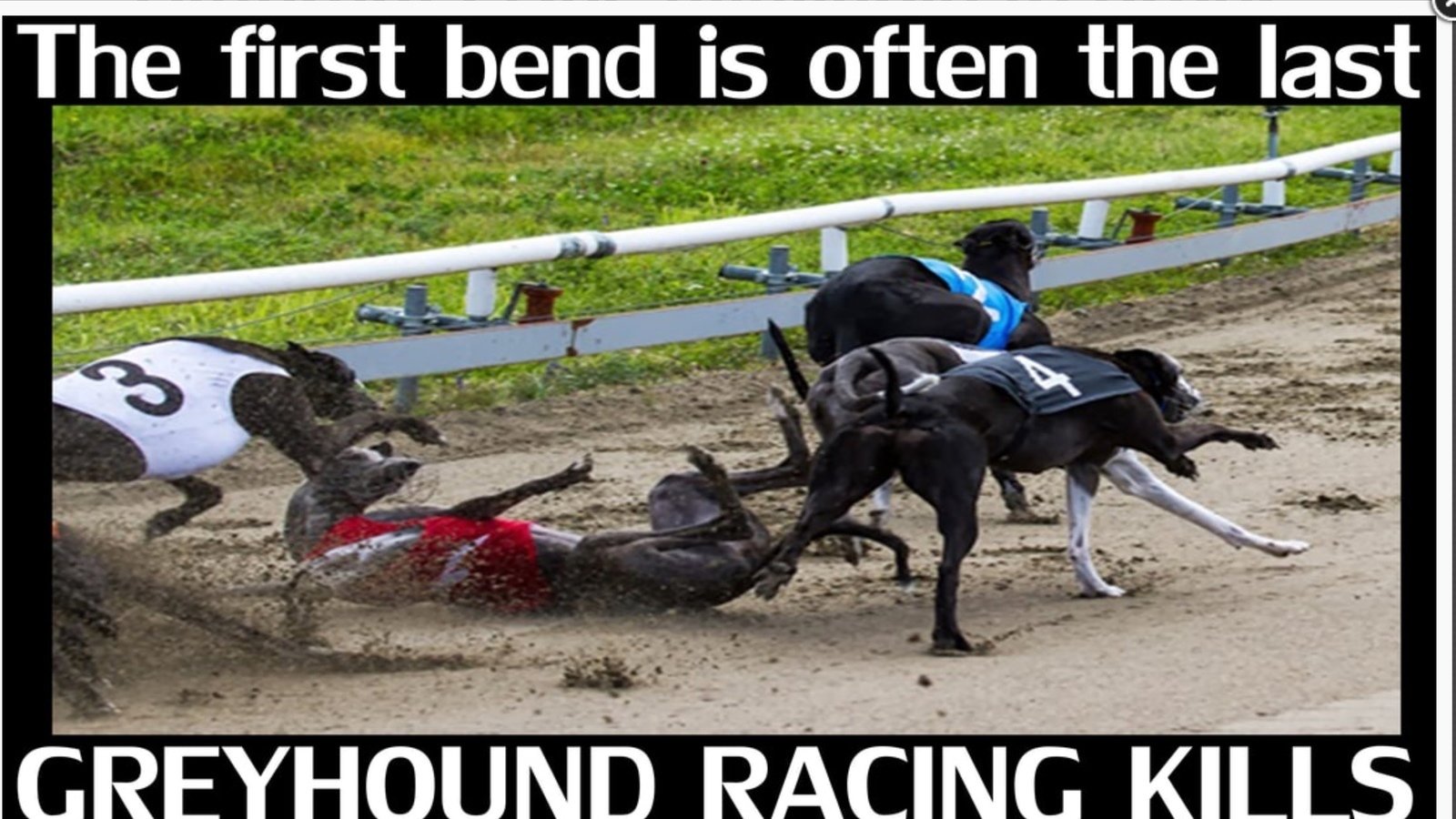
A catalog of maladies plagues these racing dogs. Injuries ranging from sprains to fractures are a common, albeit grim, reality of the racing circuit. Moreover, when racing dogs are deemed no longer profitable—typically when they age or underperform—many face dire fates. Abandonment, euthanasia, or neglect loom ominously as post-careers options for these once-celebrated athletes.
Opponents of greyhound racing often spotlight these unfortunate outcomes. The abandonment of dogs bred in captivity casts a shadow on the industry. Reports reveal that a substantial number of greyhounds are discarded when retirement age approaches, demonstrating a recklessness toward animal welfare. But are these tragic conclusions representative of the entire racing industry, or merely symptoms of a subpar segment? This question merits careful examination.
Not all greyhound racing facilities adhere to negligent practices; some establishments emphasize responsible ownership and rehabilitation. In these cases, retired racers are cared for and adopted by loving families. Organizations tirelessly advocate for the welfare of these dogs, celebrating the spirit of companionship that can emerge post-racing life. However, these beacons of hope are often eclipsed by stories of neglect that perpetuate a narrative of cruelty.
Economics provides another lens through which to assess greyhound racing. The industry is perpetuated by gambling, where wagering amplifies interest yet simultaneously underscores a culture of commodification. Supporters may point to the economic benefits that local communities derive from hosting races, asserting that this financial support offsets concerns of animal welfare. Indeed, a bustling race day might contribute to local tax revenue and job creation, but the question remains whether this outweighs the ethical implications.
From the viewpoint of a gambler or a spectator, the thrill of wagering on a dog can create an intoxicating atmosphere. Yet, amidst the excitement, one might ask: what kind of price are we willing to pay for this entertainment? Does the allure of a fast-paced race justify the suffering endured by the dogs?
Another pivotal aspect of the greyhound racing debate lies in the cultural perception of animals in our society. Animals have often been regarded as property, tools for human pleasure, and sources of monetary gain. This outlook shapes the treatment they receive and, ultimately, the moral scrutiny they attract. Challenging this view means reconsidering how society regards and relates to animals fundamentally. As advocates for animal rights continue to influence public opinion, the greyhound racing sector finds itself at a crossroads.
Moreover, the environment surrounding greyhound racing is rife with divergent narratives. Advocates argue that these dogs possess a natural inclination to run and race. However, discerning this instinct from imposed pressure requires careful exploration. Is their desire to sprint a product of genetic predisposition or a cultivated behavior born of training? Addressing this nuance reveals an essential facet: the line between passion and coercion is often tenuous and easily blurred.
The burgeoning movement against greyhound racing is increasingly gaining traction, bolstered by a growing societal consciousness regarding animal rights. Legislative efforts in various regions aim to curtail or outright ban the sport, reflecting a public shift toward prioritizing ethical considerations over entertainment. This burgeoning awareness empowers individuals to engage thoughtfully with the implications of their consumption choices, enticing them to reconsider their support of this industry.
Ultimately, the question remains: can greyhound racing evolve into a more compassionate enterprise, or is its fundamental structure irreparably flawed? Perhaps the crux of the issue is less about vilifying or romanticizing the practice and more about fostering a culture that genuinely values animal welfare. Advocating for reform and holding the industry accountable could usher in a new era, one where the pursuit of profit does not overshadow the basic rights of those voiceless beings involved.
In conclusion, understanding greyhound racing requires a commitment to examining its many facets critically. By illuminating both sides of the conversation, it becomes clear that this issue is far more nuanced than it initially appears. Whether greyhound racing is deemed an act of cruelty or a misunderstood tradition depends significantly on evolving societal values and the willingness to champion the rights of all living beings. The future of greyhound racing hangs in the balance, poised for change—if only society chooses to embrace it.