In a world increasingly attuned to the ethical implications of consumer choices, one might wonder: Is Glow Recipe animal cruelty-free? As more people abandon traditional beauty products laden with animal-derived ingredients and testing methods, the skincare industry is experiencing a revolutionary shift towards cruelty-free practices. With that backdrop, the allure of beautiful skin often collides with the imperative of conscious consumerism. Therefore, it becomes essential to navigate this multifaceted landscape where skincare meets ethics.
Glow Recipe, a brand renowned for its fruit-infused skincare products, has been scrutinized under the spotlight of ethical beauty. But what does it truly mean for a brand to be cruelty-free? To unpack this term, we must delve into the definition, the regulatory environment, and the company’s own practices. Generally speaking, cruelty-free indicates that a brand does not conduct, commission, or pay for animal testing at any point in the production and development of its products. However, this definition can be nuanced.
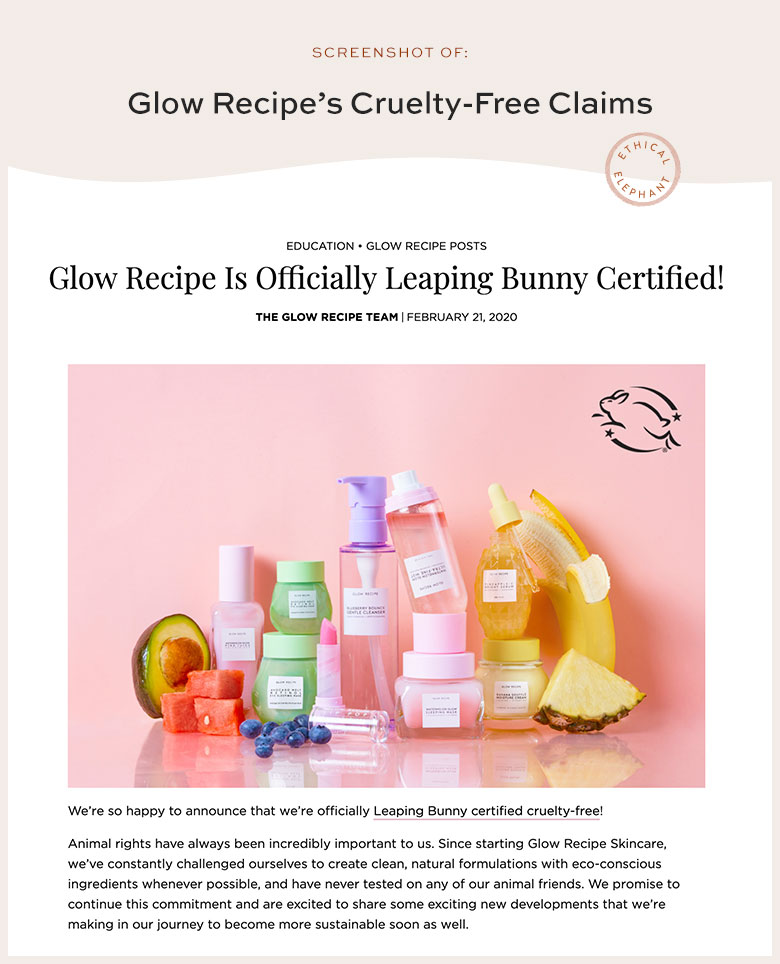
Does Glow Recipe adhere to this standard? The brand has publicly proclaimed its commitment to being cruelty-free. This involves not just refraining from testing on animals but also ensuring that their suppliers adhere to the same ethical guidelines. It’s pertinent to note that Glow Recipe is certified by PETA (People for the Ethical Treatment of Animals), which adds credence to their claims. The certification acts as a third-party endorsement, offering consumers tangible reassurance.
However, the challenge lies in the complexity of international markets. In countries like China, regulations often mandate animal testing for imported cosmetics. While Glow Recipe operates in compliance with these standards by maintaining that they do not test on animals, the ethical ramifications warrant scrutiny. Can a brand genuinely claim cruelty-free status if it distributes products in markets where animal testing is legally required? This is a question that lingers at the forefront of ethical discussions within the cosmetics industry.
Transpiring concurrently within the realm of animal testing is the debate over ingredients. Beyond testing methods, what about the actual components that comprise skincare products? Glow Recipe is lauded for its use of naturally-derived ingredients, steering clear of overtly harmful chemicals. Ingredients like watermelon extract, which is prominently featured in their Watermelon Glow line, resonate with consumers seeking both efficacy and a conscience. Nonetheless, there remains an emphasis on conducting thorough research regarding the sourcing and sustainability of these ingredients. Are they procured ethically, and do they support fair trade practices?
Brands like Glow Recipe must also address the question of veganism. While being cruelty-free refers to animal testing, vegan products exclude all forms of animal-derived ingredients. Consumers often conflate these two classifications. Glow Recipe has a range that includes vegan options, yet not all their products are devoid of animal-derived ingredients, such as honey. From a consumer perspective, this creates a labyrinth of decisions: should one prioritize cruelty-free standards or a completely vegan lifestyle? Sparked by curiosity, one might ponder the delicate balance between the two.
As the concern for ethical consumption intensifies, the transparency of brands has become an invaluable currency. Glow Recipe provides a glimpse behind the curtain through its website and marketing efforts, but could they do more? Transparency fosters trust. They offer detailed listings of their ingredients, accompanied by explanations of their benefits, which can further inform consumer choices. However, enhancing transparency regarding supply chains and sourcing could fortify their ethical standing even more.
The appeal of Glow Recipe’s aesthetic packaging and the promise of dewy skin are undeniably tempting. Yet, as responsible consumers, we must challenge ourselves to go beyond appearances. How do our choices impact the world? Are we engaging in a superficial commitment to cruelty-free buying, or are we prepared to delve deeper into the implications of our purchasing decisions? This is an inquiry that demands introspection.
Moreover, the journey towards ethical skincare is not without its hurdles. Many consumers fear the price tag associated with cruelty-free and vegan brands. While Glow Recipe’s prices may be higher than their drugstore counterparts, this increase often reflects the ethical sourcing of ingredients and the commitment to sustainable practices. Yet, how does one justify spending more for the assurance that no animal has suffered in the process? It’s a profound dilemma highlighting the intersection of ethical responsibility and economic feasibility.
In light of these considerations, one cannot help but reflect: Is it enough to pat ourselves on the back for supporting a cruelty-free brand? Or should we demand more accountability and transparency from companies like Glow Recipe? Ethical consumerism is a journey, not a destination. Each purchase represents a vote in favor of practices we believe in, forging a path toward a more compassionate world. Ultimately, the responsibility lies not just with the brands but also with us—the consumers—in shaping the future of the skincare industry.
In conclusion, while Glow Recipe has taken strides to position itself as a cruelty-free and ethically-conscious brand, the intricate complexities of global markets and ethical sourcing continue to pose significant challenges. The inquiry into whether one can unequivocally endorse their practices remains open-ended. As the discourse surrounding animal rights and ethical consumption continues to evolve, consumers must remain vigilant, discerning, and informed. Only then can we navigate the confluence of beauty and ethics in the vast landscape of skincare.