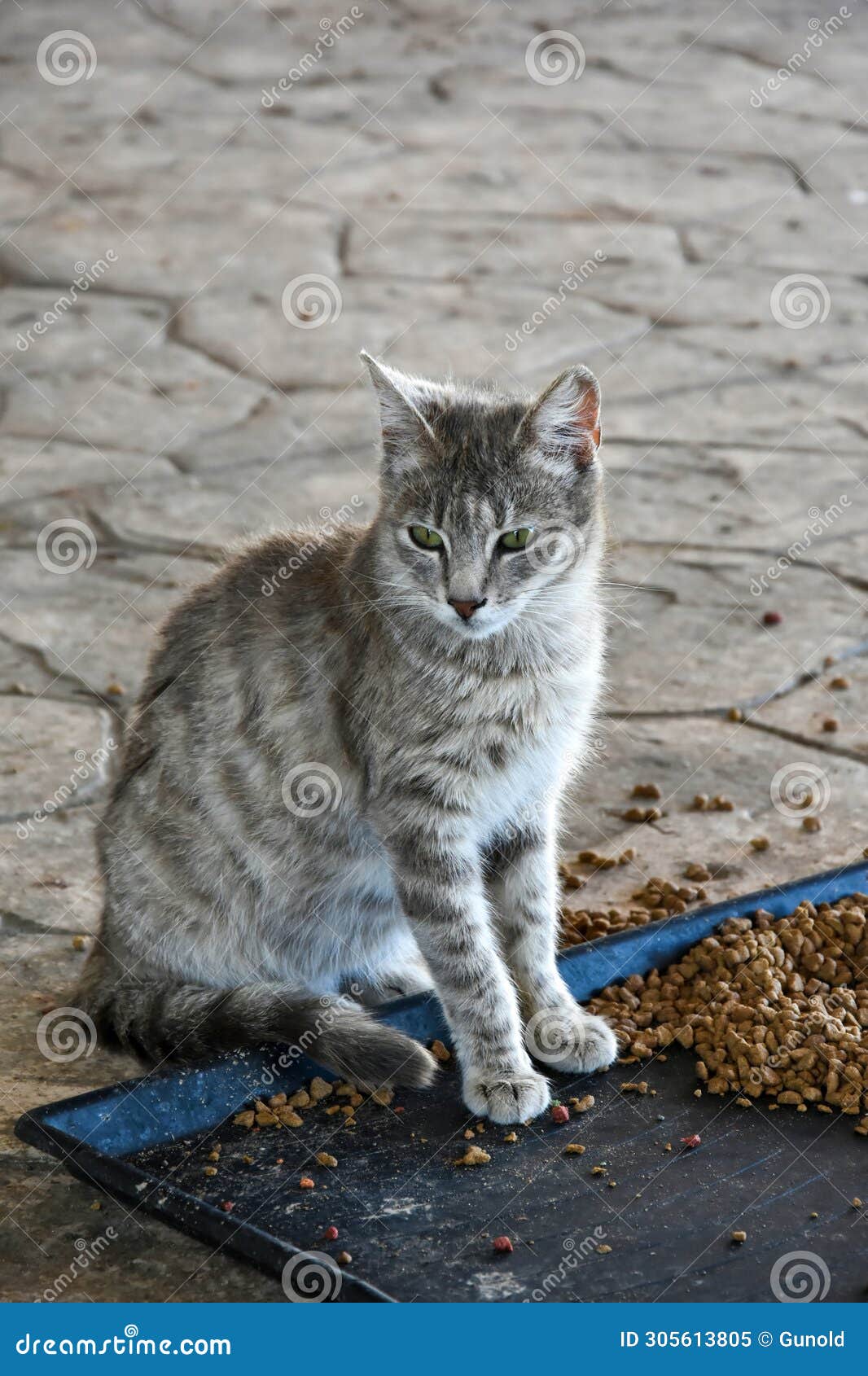
In the labyrinth of urban landscapes, the presence of stray cats often evokes a dichotomy of emotions, raising a poignant question: is feeding these oft-misunderstood creatures an act of compassion or an inadvertent endorsement of animal cruelty? This inquiry spirals into a deeper examination of societal responsibilities and ethical considerations regarding our interactions with these independent felines.
The stray cat phenomenon can be likened to a tapestry woven with countless threads of stories. Each thread speaks to a different aspect of their existence, painting a picture of resilience, adaptability, and survival against the odds. These cats, often seen as mere nuisances or carriers of disease, represent a larger narrative concerning our relationship with animals, particularly those we have abandoned or those who have formed their own communities outside our domestic walls.
To delineate the boundaries of compassion, we must first unravel the complexities surrounding the act of feeding strays. On one hand, the act embodies a vibrant hue of empathy—a gesture towards lives that often exist in the shadows of our bustling cities. Feeding these animals can be interpreted as an altruistic endeavor that acknowledges their plight. These acts of kindness resonate like ripples across a pond, encouraging others to reflect upon the responsibilities we, as stewards of the earth, bear towards other sentient beings.
However, juxtaposed against this noble intention is the shadowy specter of unintended consequences. Critics of feeding stray cats often argue that such actions foster dependency. This creates a paradoxical situation in which the animals become reliant on human benevolence, potentially undermining their instinctual behaviors that are essential for their survival. In this regard, the line between compassion and cruelty blurs into an ambiguous zone, where affection can morph into a form of negligence.
Imagine a garden: beautiful yet overgrown. The flowers, while vibrant, compete for nutrients, stifling the growth of one another. In the same vein, uncontrolled feeding of stray cats can lead to overpopulation. Without a comprehensive management strategy, the natural order becomes disrupted. Female cats, driven by their innate cycle, may reproduce in alarming numbers, leading to an influx of kittens that exacerbate the already tenuous balance between human environments and feral colonies. Thus, an initially compassionate act can inadvertently culminate in ecological imbalance.
Moreover, feeding stray cats often invites other questions—those of health and well-being. Stray cats are prone to various health issues, including feline immunodeficiency virus (FIV) and feline leukemia virus (FeLV), conditions that not only threaten their lives but also the health of local wildlife. By perpetuating a shelter-dependent existence, are we truly serving these animals’ best interests, or are we merely prolonging their suffering in a manner we may not fully comprehend?
Compassionate feeding can, however, coexist with responsible management practices. Organizations dedicated to the welfare of stray animals advocate for effective methodologies such as Trap-Neuter-Return (TNR). This approach encapsulates the essence of humane intervention, where cats are humanely trapped, spayed or neutered, vaccinated, and then returned to their territories. The beauty of TNR lies in its duality: it not only diminishes the straying population over time but also addresses their health concerns. Herein lies a synthesis of compassion and pragmatism, presenting a model that seeks to honor the dignity of these animals while embracing our role in their ecosystems.
When considering whether feeding stray cats is an act of compassion or cruelty, one must also ponder the societal implications of abandonment and disregard for these animals. Society often creates its own feral populations through neglect. The stories of stray cats serve as a mirror reflecting our collective moral compass. By addressing the root causes of homelessness in animals—such as irresponsible pet ownership, lack of spaying and neutering, and inadequate community resources—we engage in a broader discourse about animal welfare that extends beyond the act of feeding itself. Each interaction with a stray cat can thereby become a catalyst for change, promoting education and advocacy.
Furthermore, feeding stray cats often ignites dialogues about the need for community engagement. Imagine a neighborhood rallying together to establish feeding stations, underpinning their collective commitment to animal welfare. This communal approach not only fosters a sense of belonging but also enhances the human experience by cultivating empathy and understanding across the spectrum of existence. It transforms anonymous acts of kindness into communal movements that celebrate life in all its forms, challenging the notion of solitude that often accompanies urban living.
In conclusion, the act of feeding stray cats is imbued with complexity, oscillating between compassion and potential cruelty. It calls for thoughtful engagement, where individuals must navigate the treacherous waters of intention versus impact. Ultimately, it is a call to arms—an invitation to cultivate a compassionate society that prioritizes the health and dignity of all beings. As we strive for thoughtful solutions, we are tasked with realizing that our choices resonate beyond the present moment, echoing into the future of our shared ecosystems. Compassion, coupled with responsibility, can indeed sculpt a narrative that honors not just the lives of stray cats but also our own humanity.