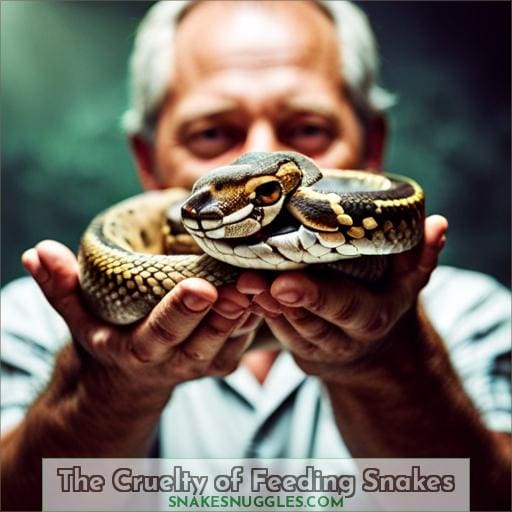
Feeding snakes is a topic that ignites fervent debate among animal lovers, herpetologists, and casual observers alike. Some people view it as a necessary component of responsible snake care, while others argue that it may border on animal cruelty. This division begs the question: is feeding snakes an act of sustenance or a moral dilemma?
To appreciate the complexities surrounding this issue, we must first recognize the intrinsic nature of snakes as carnivorous creatures. In the wild, these reptiles maintain a delicate balance with their ecosystem by preying upon mammals, birds, and even other reptiles. Feeding is not just a matter of choice; it is an essential, biological imperative that drives their existence. Snakes rely on their hunting instincts to secure their meals, and without appropriate sustenance, they face starvation and subsequent health degradation.
However, the dynamics shift dramatically in captivity. Here, the act of feeding is often mediated by human intervention. Owners and caretakers assume the mantle of responsibility, tasked with ensuring their snakes receive adequate nourishment. This situation prompts us to ponder: does feeding an animal in captivity transform the act into something other than a natural necessity? After all, does providing pre-killed prey diminish the instinctual experience that would occur in the wild?
The issue fundamentally hinges on the perception of animal welfare and the ethics of captivity. Advocates for feeding snakes typically assert that providing nourishment—whether it be live prey, frozen-thawed rodents, or commercial diets—is simply part of the obligations of pet ownership. They point out that responsible owners research the dietary needs of their snakes, providing them a specific, nutritious diet that mimics their natural food sources. On the contrary, critics cite instances where improper feeding practices induce stress or harm, pushing the boundaries of what can be categorized as humane treatment.
One of the most contentious aspects involves the method of feeding. Live feeding, where snakes are given live prey, is often labeled as cruel due to the potential suffering inflicted on the prey animal. Critics argue that witnessing the distress of a living creature can evoke feelings of discomfort, raising ethical questions about what qualifies as acceptable treatment of animals, regardless of their species. Proponents maintain, however, that live feeding can more closely replicate the natural behaviors of snakes, allowing for the emotional and physical satisfaction that wild hunting provides. Herein lies the challenge: how do we weigh the benefits of natural behavior against the ethical considerations of suffering?
Moreover, some snake owners challenge the notion of feeding methodology by advocating for frozen-thawed prey. This approach offers a middle ground, aligning with a commitment to snake welfare while mitigating the ethical implications of live feeding. Frozen-thawed methods allow owners to provide a nutritious diet while minimizing stress for both predator and prey. Yet, skeptics raise valid concerns about whether such methods can entirely replicate the instinctual feeding behaviors found in the wild. Are we compromising the very essence of a snake’s identity in our quest for a more humane practice?
Beyond the methods of feeding, there are additional considerations that complicate this dialogue. The psychology of snakes must also be taken into account. Captive snakes can exhibit behavioral aberrations stemming from lack of stimulation, stress, or improper care. These creatures may not display the same hunting prowess or feeding enthusiasm as their wild counterparts. In such cases, is it ethical to insist on a feeding regimen that might not correspond to their altered state of being? The potential power struggle between natural instinct and artificial confines creates a unique challenge in ensuring the welfare of captive snakes.
As we dissect these nuances, it’s clear that the ethical landscape of feeding snakes is far from black and white. In examining the broader implications of animal welfare, we must also consider the educational aspect of snake ownership. Responsible pet ownership entails more than simply providing nourishment; it requires an acknowledgment of the animal’s needs and behaviors, alongside a commitment to ethical treatment. Owners should cultivate an understanding of their snakes’ natural behaviors, creating an environment that mitigates stress and allows them to flourish. This understanding directly impacts the feeding practices adopted, prompting thoughtfulness over mechanical execution.
The challenge remains for society to define acceptable standards for the care of animals in captivity while embracing the natural behavior of species. Through education, advocacy, and change, we can foster a more profound coexistence with these misunderstood creatures. By promoting responsible feeding practices that balance care with empathy, we can create a model for ethical treatment that champions the well-being of both predator and prey.
Ultimately, the discourse surrounding the feeding of snakes is emblematic of a more significant conversation about human responsibility toward animals. It compels us to evaluate our actions and prioritize the well-being of all creatures, coupling our innate curiosity with ethical considerations. So, as this multifaceted conversation continues to evolve, let us aim for a world where feeding snakes is not a moral quandary but a well-informed practice rooted in compassion and respect for the animal kingdom.