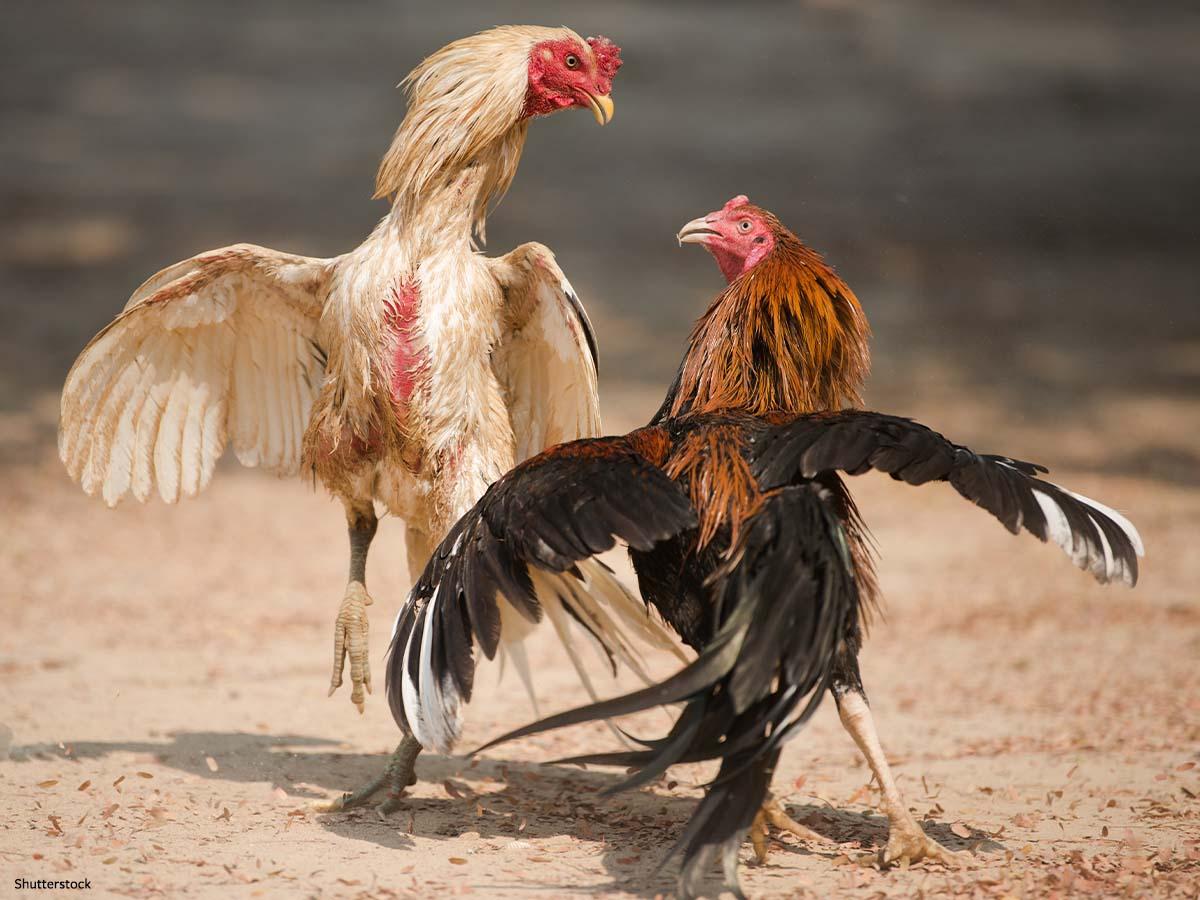
Cockfighting, a spectacle echoing through centuries, raises a provocative question: Is it merely a time-honored tradition or a blatant act of animal cruelty? This intricate issue weaves together various cultural, ethical, and legal perspectives, presenting a multifaceted tapestry where tradition clashes with contemporary views on animal rights and welfare.
To unravel this conundrum, one must first understand the historical context of cockfighting. Originating thousands of years ago, this practice has found its place in the annals of human entertainment across numerous cultures. In many regions, cockfighting is not just a sport; it is a cultural phenomenon often embedded deeply in the communal fabric. Enthusiasts extol the virtues of the roosters, bred for bravery and tenacity, while spectators gather to witness fierce battles. Herein lies a potential challenge: How do we reconcile the entrenched nature of this tradition with evolving societal attitudes towards animal welfare?
At the heart of this dialogue is the framework of animal cruelty laws, which have been developed to safeguard the welfare of animals from unnecessary suffering and harm. In the United States, these laws vary significantly by state but generally prohibitive actions aimed at causing harm to animals. The emotional heft accompanying these statutes cannot be underestimated. Critics of cockfighting argue that the inherent brutality—where roosters are often armed with blades and coerced into fighting to the death—exemplifies a gross violation of ethical standards governing humane treatment. Consequently, the U.S. Court of Appeals recently reaffirmed a ban on cockfighting in U.S. territories, a legal affirmation reflective of a shift toward recognizing animal sentience as a key consideration in legislation.
This legal framework, however, does not exist in a vacuum. In regions where cockfighting holds popular appeal, the dissonance between tradition and law can lead to tensions within communities. Proponents often label the campaign against cockfighting as an outsider’s imposition, arguing that such interventions dishonor cultural practices that have persisted through generations. The rift deepens when considering local economies: people involved in cockfighting may rely on festivals and breeding for their livelihoods. Thus, the juxtaposition of animal welfare against economic survival creates a rich yet troubling dialogue.
Yet, it is not only tradition that challenges the concept of animal cruelty in relation to cockfighting; it is also the landscape of modern ethical thought. Ethical arguments surrounding animals have evolved, with concepts like speciesism—wherein human interests are placed above those of other species—taking center stage in discussions about animal rights. While some may hold the belief that roosters exist solely for human entertainment and benefit, an emerging consensus advocates for acknowledging and respecting their intrinsic worth as sentient beings capable of experiencing pain and suffering. This philosophical shift prompts a reevaluation of practices once deemed harmless, casting a shadow over long-standing traditions.
Moreover, analyzing the emotional experience of the animals in question is pivotal in addressing the ethics of cockfighting. Observations reveal that the roosters exhibit distress, fear, and pain—emotions that render the act of forcing them into combat and violence intolerable. Scientific studies corroborate these observations, demonstrating that animals experience emotions akin to those felt by humans. If we endeavor to build a compassionate society, must we not advocate for the voiceless, challenging traditions that perpetuate harm?
However, the discussion does not solely rest on legalities and ethics. It beckons an understanding of societal evolution. For instance, as communities become increasingly mobile and interconnected, ideas about animal welfare and ethical treatment have permeated cultural boundaries. Such transformations signal a collective enlightenment where traditional practices deemed permissible may now require scrutiny. Consequently, advocates argue for a shift in how societies honor traditions—promoting cultural retention while rewriting the scripts that define acceptable practices.
Introducing alternatives to cockfighting presents an opportunity for reconciliation between tradition and compassionate practice. Educational initiatives can highlight aspects of rooster breeding that do not resort to violence or bloodshed, allowing enthusiasts to maintain their passion while adhering to contemporary ethical standards. By channeling the energies and communities entrenched in cockfighting into forms of non-violent competition and camaraderie, a bridge can be formed that honors history while paving the way for humane considerations.
In conclusion, the exploration of cockfighting through the lens of tradition versus law situates us within a broader discourse: the evolving nature of animal rights in a world that must contend with its historical precedents. Is it possible to foster a dialogue that encourages respect for cultural legacies while simultaneously demanding ethical accountability? As societies continue to grapple with the implications of our relationships with animals, the answer may lie in embracing both compassion and cultural sensitivity. In the dichotomy of maintaining tradition and adhering to contemporary moral imperatives, a new understanding may emerge—one that prioritizes the welfare of sentient beings above all else.