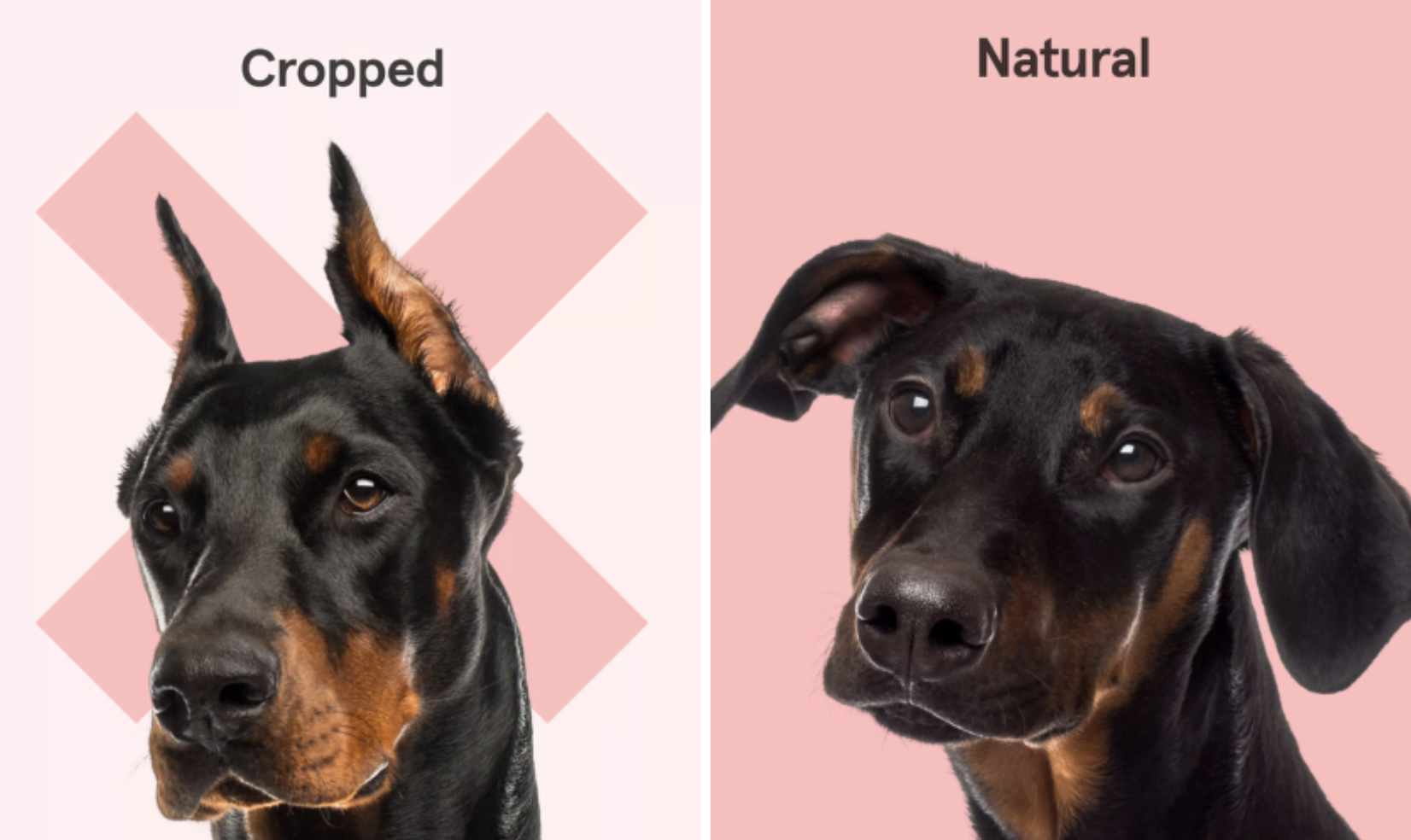
Ear cropping in dogs is a contentious topic that evokes strong opinions, not only among dog owners but also within the broader context of animal rights and welfare. Traditionally practiced for various reasons, including aesthetics and perceived health benefits, the question arises: is this procedure an act of animal cruelty or simply a cosmetic practice? Understanding this issue requires an examination of the history, motivations, risks, ethics, and the current legal landscape regarding ear cropping.
Historically, ear cropping can be traced back to a time when specific breeds were utilized for particular purposes, including hunting and guarding. Breeds such as Doberman Pinschers, Boxers, and some terriers were often “cropped” to enhance their ability to perform tasks by preventing injuries during fights or while chasing prey. Advocates of ear cropping argue that these practices have cultural significance and serve functional purposes, perhaps fostering a misunderstanding of the dog’s physical needs versus aesthetically driven choices.
Proponents of cropping often cite the breed standards established by kennel clubs, which sometimes favor cropped ears for appearance. These standards have been perpetuated by a society that values conformity, leading to a perception that dogs with cropped ears are more visually appealing or “true” to their breed. This social pressure can prompt owners to undergo the procedure, despite the potential risks involved.
On the other side of this debate, there is a growing recognition of animal welfare perspectives that criticize ear cropping on ethical grounds. Animal rights activists and veterinary professionals advocate for the positioning of welfare above aesthetics, urging dog owners to consider the psychological and physical implications of such surgical interventions. The procedure often entails a significant amount of pain and distress, leading to anxiety and behavioral issues post-operatively. Moreover, the recovery time can be cumbersome and rarely equates to the necessary benefits that proponents cite.
To understand the ramifications of ear cropping more fully, one must explore the nature and scope of the procedure. Ear cropping involves surgically removing a portion of a dog’s ear, which can be performed on puppies as young as eight weeks old. The procedure is typically performed under anesthesia, but complications can arise. Risks include infection, excessive bleeding, and improper healing, which might lead to further surgical interventions. These potential consequences highlight the argument that such procedures, couched in cosmetic rationale, can lead to unnecessary suffering.
Moreover, it is essential to take the dog’s perspective into account. Dogs are not merely accessories; they are living beings with their own instincts, emotions, and social structures. The psychological toll of altering a natural feature can lead to stress and identity disruption. Dogs communicate not just through vocalizations, but also through physical cues. Cropped ears can impair their ability to express themselves fully, hindering interaction with other animals and people.
Ethically, the debate surrounding ear cropping extends beyond individual dogs; it touches on larger societal values regarding animal welfare. The juxtaposition of tradition and modern ethical considerations is stark. Many countries have responded to this ethical dilemma by legislating against ear cropping. Countries such as the United Kingdom and Australia have implemented bans on the practice, aligning with a growing global recognition of animal rights. These legal frameworks reflect a shift toward prioritizing the welfare of animals, challenging the notion that surgical procedures for aesthetic purposes are acceptable.
The question remains, why do some cultures persist in their support for ear cropping despite the ethical viewpoints? This can be traced back to deep-rooted traditions and societal norms. Some individuals are resistant to change, clinging to the belief that aesthetic modifications represent integrity to a breed’s history. Yet, a surge of information and awareness is challenging these outdated conventions. Advocates argue for the importance of education—a key element in transforming perceptions about animal welfare.
As attitudes toward animal rights evolve, so does the understanding of what constitutes cruelty versus cosmetic alteration. Many animal welfare organizations campaign for responsible pet ownership, stressing the importance of considering a dog’s emotional and physical well-being above all else. A shift in perspective can lead to more humane treatment of pets, emphasizing that animals should be cherished for their inherent qualities, not modified for human preferences.
In conclusion, whether ear cropping is deemed animal cruelty or a cosmetic practice ultimately rests on various factors, including ethical considerations, cultural perspectives, and evolving legal frameworks. A growing body of evidence supports the position that ear cropping serves little to no benefit to the animal while inflicting unnecessary pain and altering its natural state. As advocates for animal welfare continue to raise awareness, it is crucial for dog owners to reflect on the implications of their choices and embrace a philosophy that prioritizes the intrinsic dignity of all animals. The conversation surrounding ear cropping is emblematic of broader issues within human-animal relationships, serving as a reminder that our responsibilities towards animals must evolve as our understanding of their needs deepens.