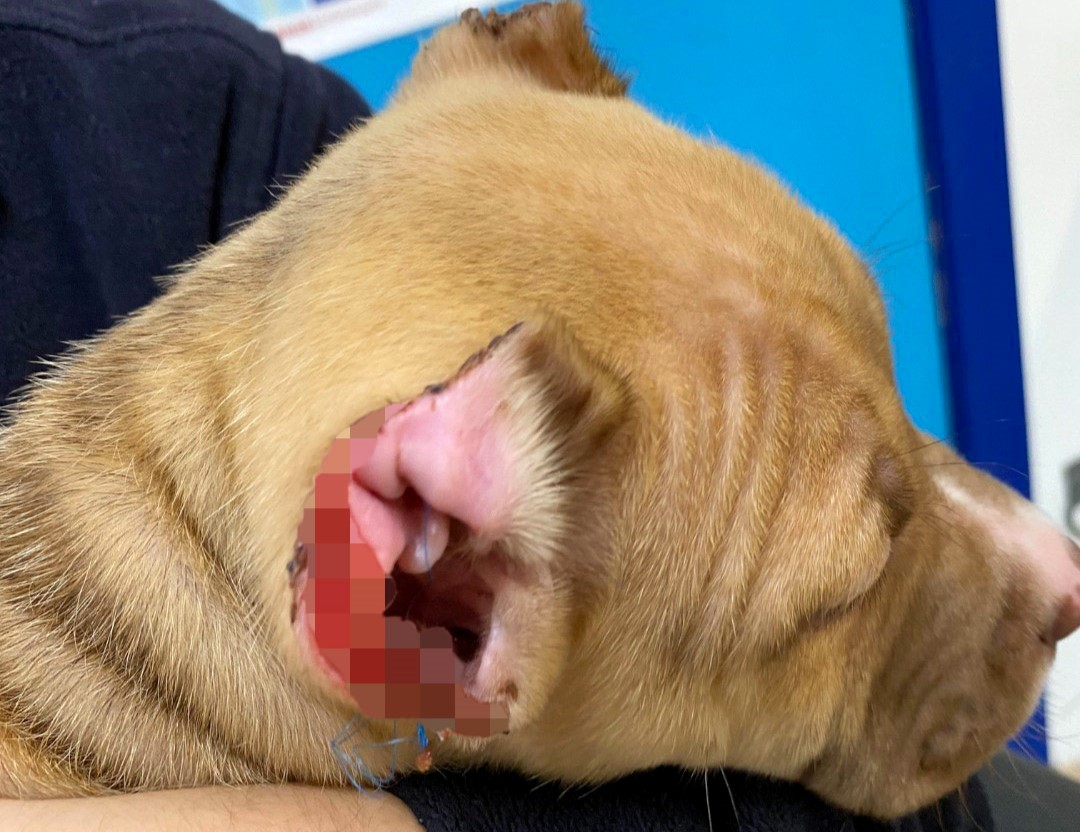
In contemporary discussions surrounding canine care, one contentious practice continues to stir vigorous debate: the clipping of a dog’s ears. This practice, often considered a vestige of bygone eras or a breed standard among certain dog enthusiasts, begs a critical examination of its implications. Is it merely a cosmetic custom, or does it slip into the realm of animal cruelty? To answer this, one must delve into cultural, historical, and ethical dimensions surrounding ear clipping.
Ear cropping, the surgical alteration of a dog’s ears to create a certain aesthetic, has its origins deeply entrenched in specific ancient practices. Originally performed for utility rather than vanity, ear cropping was believed to reduce the risk of injury during hunting or dog fights. It was not uncommon for working dogs, bred to fulfill vigorous roles, to have their ears cropped to enhance hearing and functionality. However, as societal values shifted, particularly with the advent of animal rights movements, the rationale for such practices has become increasingly scrutinized.
As one observes prevalent breed standards, the trend toward cosmetic modifications has taken a toll on the canine population’s welfare. Breeds such as the Doberman Pinscher, American Pit Bull Terrier, and Boxer have historically been associated with cropped ears, often prompting thoughts of aggression and dominance. This stereotype perpetuates an unjust narrative, painting loving pets as fearsome threats. Indeed, the very notion of altering a dog’s physical appearance to suit human ideals of beauty raises a multitude of ethical questions. Is the desire to maintain a specific aesthetic truly worth the potential pain and suffering inflicted upon the animal?
Contemporary veterinary guidelines advocate for a growing awareness about the pain associated with ear cropping. The procedure often entails significant risk, including the potential for complications such as infections, excessive bleeding, and even long-term psychological effects. The act of cropping can inflict trauma not only physically but emotionally, as the bond between animal and owner comes into question during such invasive procedures. Many veterinarians and animal welfare organizations now assert that non-medical cosmetic surgery lacks a place in responsible pet ownership and rearing.
Examining the motivations behind this practice reveals deeper cultural undercurrents. In many cultures, aesthetic ideals are frequently constructed around notions of status and prestige. Dogs are increasingly seen as extensions of their owners’ identities, leading to a passion for showcasing pedigree and lineage through physical appearance. Ear cropping, in this light, transcends mere vanity; it becomes a complex interplay of identity, status, and perception.
Moreover, societal fascination with specific breeds has created a market for such alterations. The prevalence of social media and celebrity culture has further perpetuated the desire for dogs to conform to certain visual standards. Images of perfectly groomed and stylized pets frequently capture attention, portraying an ideal that doesn’t necessarily reflect the intrinsic worth or wellbeing of the animal. This façade veils the reality of the pain involved in achieving such aesthetic standards.
Importantly, the issue at hand also ignites the discussion surrounding informed consent. Animals, lacking the capacity to advocate for their needs, often find themselves at the mercy of human decisions that profoundly affect their lives. In the quest for aesthetics, the fundamental welfare of the animal is often overshadowed. Owners must grapple with the moral implications: should the desire for a particular look in a beloved pet override the inherent discomfort and risks associated with cosmetic adjustments?
The contrast between cultural tradition and evolving ethical principles cannot be overlooked. In modern society, a paradigm shift is occurring where compassion and empathy toward animals are gaining significance. The question of whether ear clipping constitutes cruelty or custom is not simply about legality; it encompasses broader ethical considerations about how we treat those unable to speak for themselves. Abolishing practices such as ear cropping not only ends suffering but also aligns with a growing societal commitment to humane treatment and ethical standards.
Furthermore, the potential for legislative change looms large. Several countries have already enacted bans on ear cropping, recognizing it as an unnecessary and cruel practice. Similar movements in other regions could usher in a welcomed global stance against cosmetic modifications that prioritize aesthetics over animal welfare. In fostering awareness and education, society can illuminate the often overlooked needs of animals and promote alternatives that celebrate their natural beauty.
Promoting alternatives presents a compelling counter-narrative to the ear cropping debate. The practice of responsible breeding, which prioritizes health, temperament, and natural conformation over arbitrary aesthetic standards, should be at the forefront of responsible dog ownership. Encouraging prospective pet owners to appreciate the inherent beauty of their chosen breeds without modifications can foster a culture of compassion and respect for all living beings.
In summation, the dissection of ear clipping reveals an intricate tapestry woven with threads of tradition, cultural perception, and ethical responsibility. As society grapples with this issue, it becomes imperative to prioritize the rights and welfare of animals over superficial aspirations. In recognizing that the canine experience should be shaped by the intrinsic value of the animal rather than human-centric ideals, we can cultivate a future rooted in compassion, stewardship, and genuine respect for all creatures.