In an era where consumers are becoming increasingly conscientious about the products they purchase, the question of whether Benefit Cosmetics is truly animal cruelty-free has become a pressing concern. The ethical cosmetics landscape is often rife with ambiguity, as brands may claim to be cruelty-free while simultaneously engaging in practices that contradict this assertion. To discern the reality, we must explore various facets of Benefit Cosmetics’ policies, practices, and the overarching definitions of animal cruelty-free status.
First and foremost, it is crucial to understand what ‘cruelty-free’ means in the cosmetic industry. Typically, a cruelty-free designation signifies that a company does not conduct animal testing during any stage of product development or manufacturing. However, it is essential to recognize that this definition can vary. Some brands may argue that they do not test their products on animals but still engage third party testing in countries where it is mandated by law.
Benefit Cosmetics, a well-known brand under the larger umbrella of LVMH (Moët Hennessy Louis Vuitton), has made assertions regarding their animal testing policies that are both laudable and contentious. The company proudly states that they do not test their products on animals, and their marketing often highlights this claim. Yet, the broader context complicates the issue. In recent years, companies under the LVMH group have been scrutinized for selling in regions (particularly China) where animal testing laws remain stringent for imported cosmetics.
The Chinese market enforces regulations that require animal testing prior to allowing cosmetics to be sold within its borders. This stipulation has implications for brands like Benefit, which may choose to enter this lucrative market at the potential cost of animal welfare. For consumers, this creates a paradox: while Benefit may not perform testing themselves, aligning with a corporate structure that permits animal testing can dilute the impact of their cruelty-free stance.
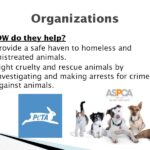
Moreover, it is necessary to engage in a discussion about ethical certifications. Organizations such as Leaping Bunny and PETA offer certifications that brands can earn to verify their cruelty-free claims. Certification processes are rigorous, and adherence to their strict guidelines can provide consumers with confidence. Unfortunately, Benefit Cosmetics is not accredited by either Leaping Bunny or PETA, raising further questions about their actual commitment to animal welfare beyond their marketing rhetoric. This lack of certification can lead consumers to feel misled or more doubtfully jaded regarding Benefit’s self-identified cruelty-free status.
As consumers educate themselves on the nuance surrounding cruelty-free labels, it becomes paramount to dissect the motivations behind Benefit’s practices. The transparency of a company’s operations significantly impacts consumer perception. Benefit’s marketing strategy often touts empowerment and positive self-image, yet this does not fully reconcile with the underlying realities related to animal testing in various international markets.
In contrast, many emerging brands are stepping up to fill the gap left by traditional cosmetics companies. With their commitment to ethical practices, these brands offer alternatives that are not only cruelty-free but also often vegan, further striving to eliminate the exploitation of animals in cosmetics entirely. Such brands focus on cruelty-free sourcing, production, and distribution, aligning their business models with ethical standards that appeal to the eco-conscious consumer base.
However, it would be remiss to only focus on the ethical failures within large corporations like Benefit without acknowledging the impact of consumer actions. Purchasing decisions directly shape the cosmetics landscape, and informed consumers wield powerful influence. Demanding accountability and transparency from brands can catalyze change. When brands fail to align their practices with their claims, consumers can choose to support those ethical alternatives that prioritize animal welfare and sustainable practices.
In light of Benefit’s present dichotomy, potential new customers often find themselves at a crossroads. The desire for cruelty-free products is firmly entrenched in a growing segment of the market, yet navigating through the layers of corporate ethics is fraught with complexity. In the absence of a unified regulatory framework or comprehensive consumer education, remnants of confusion remain.
In summary, the question of whether Benefit Cosmetics is truly animal cruelty-free is met with a tapestry of overlapping narratives. While the brand champions non-animal testing at its operational core, the affiliations with regions requiring animal testing and the absence of recognized cruelty-free certification challenge this claim. For ethical consumers, the responsibility lies in navigating these complexities, utilizing available information to make informed purchasing decisions.
Ultimately, the reality remains that the fight against animal cruelty in cosmetics requires vigilance, advocacy, and a commitment to ethical consumption. With the growing awareness surrounding animal rights, it becomes increasingly essential for brands—especially those with significant market presence—to align their practices with the evolving values of conscientious consumers. The responsibility to forge a path toward greater ethical standards lies not only with corporations but also with the public who strives for change, demanding authenticity and integrity in all aspects of business operations.