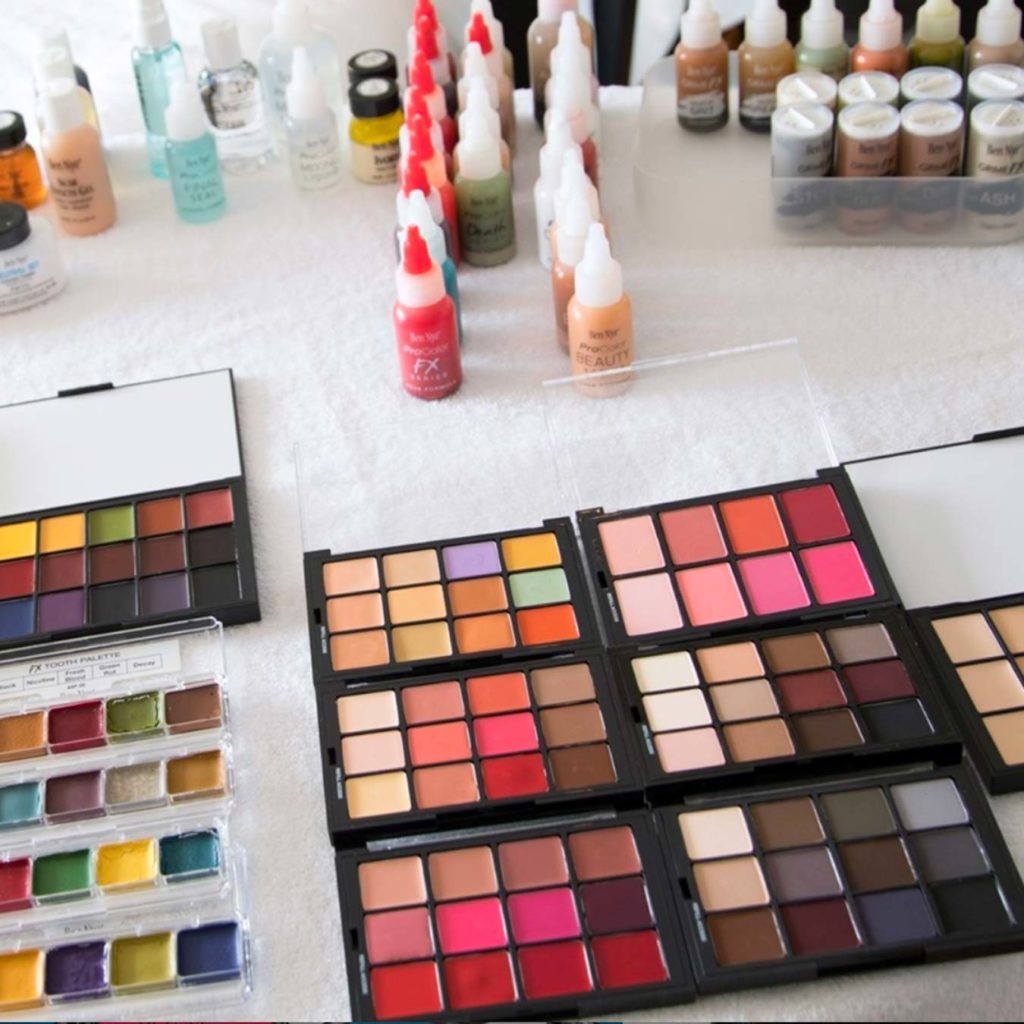
The question of whether Ben Nye is an animal cruelty-free brand has emerged as a significant concern among makeup artists and consumers who are increasingly aware of the ethical implications of their choices. With the beauty industry being scrutinized for its practices, it is vital to dissect the intricacies surrounding Ben Nye products and their stance on animal testing. This analysis will delve into the brand’s production ethos, the challenges in deciphering cruelty-free claims, and the implications for professional makeup artists.
Historically, Ben Nye has established its reputation as a professional-grade makeup brand, renowned for its rich pigments and diverse product offerings. Founded in the 1950s by a Hollywood makeup artist, the company has catered to the cinematic, theatrical, and television industries. The premium quality of their products has made them a staple among makeup artists. However, as the demand for ethical products burgeons, the question remains: does their production process uphold humane treatment of animals?
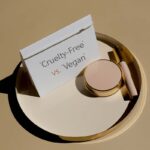
To understand this, one must first define what it means for a brand to be considered cruelty-free. Generally, cruelty-free signifies that no animals were subjected to testing at any phase of product development. In recent years, many consumers have adopted the Leaping Bunny certification or PETA’s cruelty-free designation as benchmarks for determining a brand’s commitment to animal welfare. Companies must demonstrate transparency in their practices to earn these logos, undergoing thorough audits and following stringent criteria.
As of the last comprehensive review of Ben Nye, the brand has not pursued certification from organizations such as Leaping Bunny or PETA. This absence raises red flags for those ardent about ethical standards. Furthermore, while Ben Nye claims that its products are never tested on animals and are primarily produced in the United States, the lack of a third-party certification leaves room for doubt. Potential customers may wonder if these claims result from ethical practices or clever marketing.
Moreover, one must consider the broader implications of the cruelty-free philosophy. The ethical landscape of cosmetics is fraught with gray areas. For instance, while many brands have pledged against animal testing, they may still engage in activities that could indirectly support practices involving animals. This includes sourcing ingredients from suppliers that have not adopted cruelty-free protocols. For makeup artists who aim to promote ethical practices, being informed about supply chains is crucial for making conscientious choices.
Even if a brand professes to be cruelty-free, it is important to scrutinize their policies regarding ingredient sourcing and manufacturing. Ingredients derived from animal byproducts signify a disregard for the cruelty-free ethos, regardless of the testing methods employed. As one assesses Ben Nye’s catalog of products, it becomes imperative to investigate whether their formulations contain any animal-derived ingredients, such as lanolin, silk, or carmine. A product that might be marketed as cruelty-free could still contravene animal welfare principles if it contains such ingredients.
For professional makeup artists, the stakes are particularly high. Their reputations hinge on the integrity of the products they endorse. As the industry pivots towards ethical consumerism, makeup artists must weigh the implications of their choices carefully. Using a brand that lacks certification or clear transparency can not only tarnish an artist’s reputation but can also have long-lasting effects on consumer perception of ethical beauty. A growing number of clients may question their makeup artist’s commitment to ethical standards, prompting a reevaluation of product choices.
Additionally, the economic influence of the cruelty-free movement cannot be overstated. The consumer market is turning toward brands that prioritize ethical practices, not only in terms of animal welfare but also regarding sustainability and environmental stewardship. Consequently, brands that do not adapt to these shifting paradigms may find themselves falling behind. This trend prompts a broader inquiry into the business practices of Ben Nye and similar brands, calling for greater public engagement and consumer demand for ethical practices.
The conversations around cruelty-free cosmetics are evolving, pushing brands to either validate their claims or be held accountable for any discrepancies. In this context, makeup artists can act as ambassadors of change. By advocating for cruelty-free brands and consciously choosing products that align with those values, they can galvanize their clients and the broader community into action. Simultaneously, they can utilize their platforms to amplify calls for greater transparency within the industry.
In conclusion, while Ben Nye presents itself as a provider of professional makeup devoid of animal testing, the absence of third-party verification and ambiguity surrounding ingredient sourcing warrants caution. It is imperative for makeup artists and consumers alike to remain educated and vigilant about the brands they support. The movement towards cruelty-free beauty is not just a trend; it embodies a principled stand against animal cruelty, and navigating this landscape requires diligence, integrity, and a commitment to continual learning. Ultimately, the choices made today will shape the future of the beauty industry, influencing not only cosmetic formulations but also the ethical standards that govern them.