Animal cruelty is a grave concern that reverberates through the fabric of our society, revealing the darker aspects of human behavior and our responsibilities towards vulnerable beings. As we navigate the legal landscape surrounding these offenses, the question often arises: “Is being charged with animal cruelty a felony?” This query is complex and nuanced, as the answer varies significantly from state to state across the nation. Understanding the classifications of animal cruelty charges and their corresponding penalties can enlighten advocates, lawmakers, and the general public about the salient issues at stake.
At the outset, it is vital to delineate between misdemeanor and felony classifications. Generally, misdemeanors are characterized as lesser crimes, often punished by fines or short jail sentences, while felonies encompass more severe offenses, resulting in substantial imprisonment and other lifelong consequences. The classification of animal cruelty can swing between these two extremes based on multiple factors, including the nature of the offense, the circumstances involved, and historical context within each jurisdiction.
Each state possesses its distinct legal framework, which governs how animal cruelty is defined and prosecuted. In some states, the laws are robust, reflecting a societal commitment to animal welfare, while in others, they remain outdated or vague. To foster understanding, let us embark on a state-by-state exploration, peeling back the layers of legislation that dictate the nature of animal cruelty charges.
California stands out with some of the most stringent laws against animal cruelty. Under California Penal Code 597, the willful infliction of pain or suffering on an animal can result in felony charges, especially in cases that involve repeated acts of cruelty or serious injury. The penalties are severe, including imprisonment and substantial fines, reflecting California’s proactive stance on animal welfare.
Moving eastward, New York also exhibits a strong commitment to combatting animal cruelty. The state classifies severe animal cruelty as a Class E felony, punishable by up to four years in prison. New York’s laws encapsulate both active abuse and neglect, showcasing a holistic approach to the protection of animals, akin to an unfolding narrative that seeks to redefine the role of humans as stewards, not tormentors.
In Texas, the landscape shifts slightly. Animal cruelty can be classified as a felony depending on the severity of the offense. Under Texas Penal Code § 42.09, acts of cruelty that result in death or serious injury to an animal can lead to a state jail felony charge. Moreover, the state’s laws extend to essential factors such as neglect, making it clear that inaction can be as damaging as malice.
Continuing our journey, Florida presents another perspective. Animal cruelty is categorized from a misdemeanor to a third-degree felony, reflecting the seriousness of the harm inflicted. Florida Statutes Section 828.12 illustrates that repeated acts of cruelty or those that inflict serious injury can elevate charges, emphasizing the state’s recognition of patterns in abusive behavior.
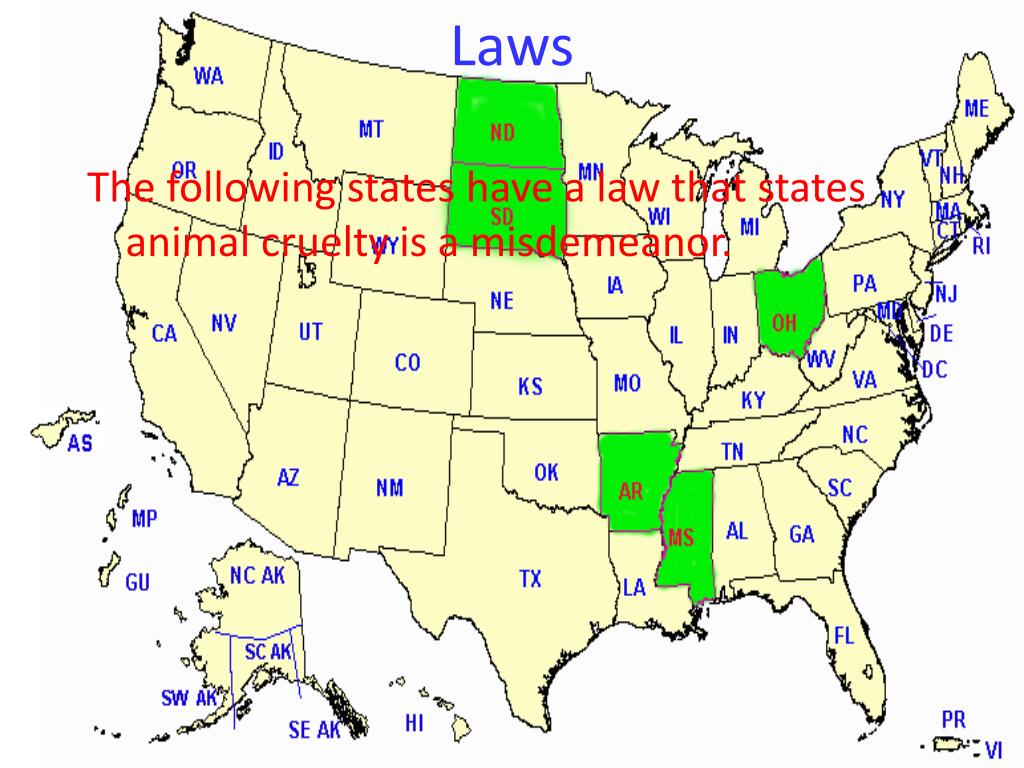
In stark contrast, Ohio represents a less comprehensive legislative approach to animal cruelty. The state has enacted laws that mainly focus on gross neglect as a misdemeanor. Felony charges do exist but are reserved for egregious instances, such as organized dog fighting or severe cases of torture. Ohio reflects a dichotomy of concern, both acknowledging animal welfare while grappling with limitations in enforcement and education.
As we venture to Illinois, we discover a state that has made significant strides. Illinois law classifies aggravated cruelty as a Class 4 felony under the Animal Welfare Act, showing a commitment to punishing not just the act but the mindset that allows for cruelty. The state’s provision for escalated penalties in repeated offenses illustrates a recognition that ongoing cruelty exists beyond isolated incidents.
Washington, on the Pacific Coast, exhibits a similarly complex landscape. Here, animal cruelty spans both felony and misdemeanor classifications. Under RCW 16.52.207, first-degree charges arise from intentional acts, while a second-degree charge may apply to neglect. This nuanced approach allows the state to tailor penalties based on the specifics of each case, ensuring a more tailored form of justice.
Taking a moment to observe Colorado, we find legislation that categorizes severe animal cruelty as a Class 1 misdemeanor, with subsequent offenses elevating to felony charges. The intent is clear—the state seeks to deter offenses through progressive penalties, recognizing that each act of cruelty translates to a broader societal issue.
As we confront these variances, one cannot overlook the role of public perception and advocacy in shaping legislation. States with active animal rights groups, higher public awareness, and political will often implement stricter penalties. The realms of legislation and social activism intertwine, creating a dynamic atmosphere where change can be fostered through collective efforts.
In summation, the classification of animal cruelty as a felony or misdemeanor is intimately linked to state laws, societal values, and individual circumstances surrounding each case. While many states have made significant progress in combating these heinous acts through stringent regulations, challenges remain. The journey toward comprehensive reform must continue, fueled by education, advocacy, and an unwavering commitment to protect our most defenseless companions. In every state where animal cruelty is addressed, there lies an opportunity to demonstrate human compassion, reinforcing the notion that a society is measured by how it treats its animals.