Animal cruelty is a pressing issue that continues to engender significant concern among communities, advocates, and law enforcement alike. Understanding how animal cruelty is defined and prosecuted is paramount, especially in states like Texas, where laws have evolved significantly over recent years. This article delves into the complexities of animal cruelty laws in Texas, focusing on the classifications of offenses, the legal ramifications, and the societal implications following the updates made in 2020 and beyond.
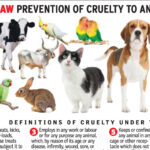
The breadth of animal cruelty encompasses a variety of actions that inflict distress or suffering upon animals. In Texas, the law categorizes these actions into two principal types: active cruelty and passive cruelty. Active cruelty involves intentional harm or malicious acts, such as physical abuse, torture, or killing an animal without cause. On the other hand, passive cruelty may involve neglect, where an individual fails to provide adequate care, food, water, or shelter, resulting in the animal’s suffering or distress.
In Texas, legislative reforms implemented to combat animal cruelty have led to a more stringent classification of offenses. Under the Texas Penal Code, animal cruelty is codified as a Class A misdemeanor for basic acts of cruelty. This means individuals convicted of this offense can face up to one year in jail and fines not exceeding $4,000. However, the consequences can escalate dramatically depending on the severity of the offense. For instance, if the act involves killing an animal intentionally or if the cruelty is deemed particularly egregious, then the individual may be charged with a third-degree felony, which carries a potential sentence of 2 to 10 years in prison and fines reaching $10,000.
The 2020 updates to the animal cruelty statutes introduced significant changes aimed at offering greater protection to animals. Notably, the inclusion of provisions addressing the plight of animals used in fighting rings and the cultivation of a legal framework to impose harsher penalties for those involved in such enterprises marks a turning point. By categorizing dog fighting as a felony, Texas lawmakers have shown a decisive response to the abhorrent reality of animal fighting and its associated cruel practices.
Another crucial aspect of the legislation involves the establishment of aggravated cruelty provisions. Under these provisions, acts that result in the animal’s imminent death can lead to enhanced charges, further solidifying the legal system’s stance against extreme cruelty. This change is pivotal because it reflects an acknowledgment of the escalating violence tied to animal cruelty cases that law enforcement has observed over the years.
Furthermore, Texas law mandates that a report of suspected animal cruelty must be made to law enforcement or animal control. Individuals failing to report suspected cases may face legal repercussions themselves, embodying a collective responsibility to protect vulnerable animals. The increased obligations imposed on citizens are designed to foster a community-oriented approach towards safeguarding animal welfare.
From a societal perspective, understanding the implications of these laws extends beyond mere legalities; it involves recognizing the cultural attitudes surrounding animals and cruelty. The expansion of animal welfare laws mirrors a broader commitment to humane treatment and reflects a growing awareness of animals as sentient beings deserving of consideration. In societies where animal cruelty is penalized without reservation, there ensues a shift in public mentality, often leading to increased advocacy, activism, and community involvement in animal protection efforts.
With the rise of animal activism and public outcry against cruelty, various organizations and advocacy groups have become zealous supporters of enforcing these laws. These entities often collaborate with law enforcement agencies to raise awareness, educate the public, and mobilize community resources. Through initiatives such as outreach programs, workshops, and educational campaigns, these organizations strive to cultivate informed communities that are proactive in the fight against animal cruelty.
In/amongst communities, the involvement of local government and community organizations plays a crucial role in more humane outcomes for animals. Initiatives such as spay and neuter programs, adoption drives, and educational workshops are vital in mitigating the root causes of animal abandonment and neglect. Each of these efforts contributes significantly to curtailing the cycle of cruelty by fostering responsible pet ownership and enhancing awareness about the needs of animals.
As society evolves, so too must the laws that protect living beings from malice. The frequent reassessment and amendment of animal cruelty laws in Texas demonstrate a commitment to progress and the importance of adapting legal frameworks in response to societal values. The evolvement of regulations reflects an understanding that the treatment of animals is an indicator of a community’s ethical standards and moral compass.
In conclusion, animal cruelty in Texas is not merely a violation of the law but an ethical issue that evokes wide-ranging implications for society as a whole. The ongoing efforts to strengthen legal repercussions, coupled with public awareness and community engagement, signify a collective movement towards a more humane society where animals are treated with dignity and respect. As advocates continue to champion the cause, it becomes increasingly vital for everyone to engage in dialogue, education, and action to ensure that animals are safeguarded from cruelty and neglect, underscoring the enduring truth that change hinges on the urgency and passion of the community.