The issue of animal cruelty is a pressing concern that invokes not only emotional responses but also critical legal considerations. As we delve into the local laws of Rhode Island, one may ponder: Is animal cruelty considered a felony in this state? Understanding the complexities of the law is paramount for both animal advocates and the general public to foster a rigorous dialogue about animal welfare.
Rhode Island, like many states, has codified its stance against animal cruelty. The laws encapsulate various forms of animal maltreatment, from neglect to intentional harm. Specifically, the Rhode Island General Laws, particularly Title 4, detail statutory provisions that address these grievances. Such legislation aims to protect animals from undue suffering while asserting a societal commitment to humane treatment.
In Rhode Island, animal cruelty is categorized under different degrees, ranging from misdemeanor offenses to felonies, depending on the severity and nature of the act. What constitutes animal cruelty? The laws define circumstances under which actions against animals may lead to criminal charges, including torture, neglect, and abandonment. A critical examination of these provisions reveals that the legal framework is designed to encompass a broad spectrum of abusive behaviors, thus reflecting a societal acknowledgment of animal rights.
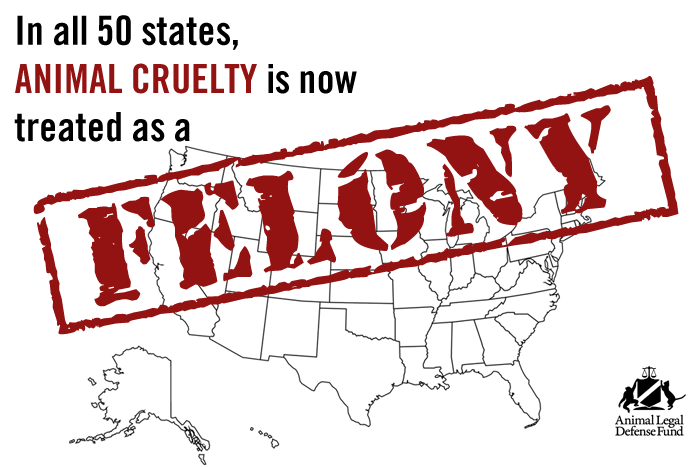
The most heinous forms of animal cruelty, particularly those involving willful and malicious acts that cause significant physical harm or death, are classified as felonies. Under these circumstances, offenders may face severe legal repercussions, including substantial fines and imprisonment. The first offense of felony animal cruelty can lead to a punishment of up to five years in prison. For subsequent offenses, the consequences can become even more severe, illustrating the state’s resolve to discourage such behavior.
Yet, one must question the effectiveness of these laws. Despite the existence of hefty penalties, reports suggest that incidences of animal cruelty persist. This paradox raises critical questions about the enforcement of the law and public awareness of animal welfare issues. How can we ensure that the laws are not merely symbolic but carry weight in preventing animal suffering?
Moreover, Rhode Island has implemented various advocacy programs aimed at educating the public about the importance of humane treatment towards animals. The Rhode Island Society for the Prevention of Cruelty to Animals (RISPCA) plays a pivotal role in promoting awareness and intervention. Their initiatives include community outreach programs that aim to inform citizens about responsible pet ownership and the legal ramifications of animal cruelty.
In an effort to fortify the legal protections for animals, animal advocates have lobbied for stricter legislation. This includes the introduction of bills designed to refine definitions of cruelty and expand the scope of animal protection laws. The public’s response to these initiatives reflects an evolving sentiment toward animal rights, a testament to the determination of activists across the state.
In addition to criminal penalties, Rhode Island has established civil remedies for victims of animal cruelty. This means that individuals and organizations can pursue civil litigation against perpetrators, seeking restitution for veterinary bills, emotional distress, and other related damages. This comprehensive approach acknowledges the multifaceted nature of the repercussions stemming from animal cruelty incidents.
Nevertheless, a challenge persists: the intersection of cultural attitudes towards animals and legal measures. While laws are imperative for protection, without a fundamental change in societal perceptions, achieving a cruelty-free environment for animals becomes an arduous task. Legislative efforts must be paired with cultural shifts that promote empathy and respect for all living beings. The question remains, how can we cultivate a culture of compassion that effectively complements legal frameworks?
Engagement with the community plays a critical role in this endeavor. Events such as adoption drives, educational workshops, and outreach programs sponsored by local animal shelters can foster a sense of responsibility among pet owners. By demonstrating the joy of companionship, and the importance of humane treatment, communities can pivot their perspectives on animal welfare.
As we reflect on the current legal landscape, it becomes evident that the laws in Rhode Island regarding animal cruelty are intricate and necessitate thoughtful implementation. Individuals must not only be aware of the legal ramifications of animal abuse but also recognize their moral obligations as stewards of the community’s animals. The convergence of law, education, and community engagement forms the backbone of an effective strategy to combat animal cruelty.
In conclusion, Rhode Island’s approach to animal cruelty encompasses a legal framework designed to protect animals from harm while posing significant penalties for offenders. However, to fortify these laws, we must also address the cultural underpinnings that sustain such behavior. Education and advocacy are essential in driving societal change. In the quest for a more humane society, the responsibility lies with all members of the community to advocate for the rights of our voiceless companions, ensuring a future where cruelty is no longer tolerated.