In the state of Georgia, the treatment of animals is governed by laws that aim to protect them from abuse and neglect. But this leads us to a pertinent question: Is animal cruelty a felony in Georgia? Understanding the complexities of animal cruelty laws in this state requires a closer examination of the definitions, penalties, and the legal framework surrounding these issues.
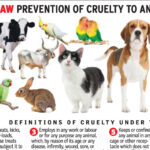
To begin with, it’s essential to establish a foundation. Animal cruelty, in general, refers to the infliction of harm or suffering upon animals. This can take various forms, including neglect, abandonment, and intentional acts of violence. Georgia has made substantial strides in enacting legislation to combat these atrocities. The Animal Cruelty Statute, articulated in Georgia Code Title 16, delineates the specific behaviors considered criminal.
Under Georgia law, there are two primary classifications of animal cruelty: aggravated cruelty and ordinary cruelty. Aggravated cruelty entails intentionally causing pain or suffering to an animal or killing an animal in a depraved or malicious manner. This egregious act does not merely reflect a lack of compassion; it embodies a disregard for animal welfare that society, understandably, cannot tolerate.
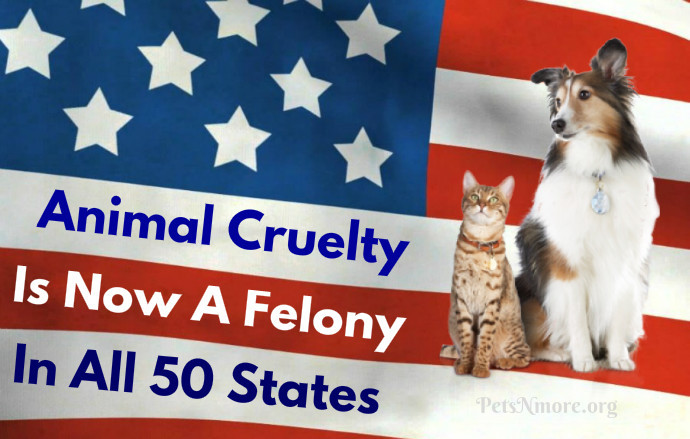
For those found guilty of aggravated cruelty, the ramifications are severe. It is classified as a felony, punishable by a range of penalties including imprisonment for one to five years, substantial fines, and potential forfeiture of personal property used in the commission of the offense. Such stringent measures highlight the seriousness with which Georgia treats this offense.
On the other hand, ordinary cruelty covers a broader spectrum of behaviors that may not reach the same level of egregiousness as aggravated cruelty, but are nonetheless harmful. This includes neglect or failing to provide adequate care, food, and shelter for an animal. While ordinary cruelty can still lead to significant penalties, it is more often classified as a misdemeanor, reflecting a distinct legal approach depending on the severity of the actions taken against the animal.
One of the critical aspects of combating animal cruelty effectively lies in the implementation of these laws. Despite stringent regulations, challenges persist. The enforcement of animal cruelty laws can be inconsistent, with variables such as local resources and public awareness playing vital roles. Some might ask: How can communities improve the reporting and prosecution of animal cruelty without overwhelming the judicial system?
Moreover, the cultural perceptions surrounding animals and their rights might create hurdles. In certain segments of society, animals may be viewed solely as property rather than sentient beings deserving of protection. This perspective can hinder progress in changing laws or attitudes toward animal welfare. Education plays a pivotal role here, fostering empathy and understanding about the rights of animals and the responsibilities of owners.
Public awareness campaigns have emerged as valuable tools in addressing these challenges. Organizations dedicated to animal welfare often provide resources for communities, educating individuals on the signs of animal cruelty and the importance of reporting suspected abuse. Additionally, collaboration between local law enforcement and animal advocacy groups can create a more unified front against cruelty. However, this requires a commitment to ongoing training and education for those involved in enforcement.
Interestingly, Georgia’s animal cruelty laws also encompass provisions that deal with specific issues such as dog fighting and baiting. These activities are treated with particular severity. Individuals found participating or facilitating such endeavors face felony charges, reflecting a societal consensus that these forms of animal cruelty are intolerable. Yet, the fight against organized cruelty often faces setbacks, suggesting an ongoing battle that advocates must wage on multiple fronts.
Public sentiment can significantly influence the evolution of animal cruelty laws. In recent years, there has been an increasing push for more robust legal structures that protect animals. Animal welfare advocacy groups have worked tirelessly to lobby for tougher penalties and broader definitions of cruelty. The early 2000s saw a noticeable shift in legislative focus, leading to amendments that strengthened penalties for offenders. However, lawmakers and activists alike continue to grapple with striking a balance between the rights of animal owners and the imperative to protect vulnerable populations.
So, as we ponder the question, “Is animal cruelty a felony in Georgia?” the answer is nuanced. While aggravated cruelty is indeed treated as a felony, ordinary acts of cruelty may fall under misdemeanor status. This dichotomy raises further questions regarding how society values animal life and the measures we implement to safeguard it.
In summary, animal cruelty laws in Georgia reflect a judicial commitment to addressing harm against animals. The classification of certain acts as felonies underscores the gravity of these offenses. Yet, with these legal frameworks comes a challenge—ensuring consistent enforcement, fostering cultural shifts, and embracing the relentless pursuit of change within our communities.
The journey toward comprehensive animal welfare is indeed fraught with hurdles, and the struggle continues. Advocates for change must dedicate their efforts to not only understanding these laws but also fostering a society that values compassion over cruelty. Only then can we hope to see a world where animals are respected, protected, and cherished for the sentient beings they are.