Animal cruelty is a pervasive issue that transcends borders, cultures, and legal systems. In Arkansas, the question arises—Is animal cruelty a felony? This concern compels us to delve deep into the legal framework, penalties, and provisions pertaining to animal cruelty in the state. Such analysis is not only essential for the welfare of our furry companions but also crucial for the enlightenment of society at large.
Arkansas’s legal system does classify certain acts of animal cruelty as felonies. This should prompt us to reflect: Why is it that some individuals still perpetrate acts of cruelty against innocent animals? The implications of such behavior extend beyond immediate harm, echoing throughout communities and impacting societal values. To adequately address this subject, we will explore the classification of animal cruelty, the severity of penalties associated with various offenses, and the legal protections available for animals.
Firstly, understanding the legal definition of animal cruelty in Arkansas is imperative. Under Arkansas law, animal cruelty generally encompasses a variety of acts, such as intentionally or knowingly inflicting physical harm upon an animal, neglecting an animal, or abandoning an animal without adequate care. The Arkansas Code specifically delineates scenarios categorized as “criminal” under these provisions, ensuring that malefactors are held accountable.
When we categorize animal cruelty, we encounter two primary types: misdemeanor and felony offenses. Misdemeanor offenses typically involve neglect or minor forms of abuse that do not result in serious harm or death. These can include lack of food, water, or shelter—conditions that any compassionate individual would deem unacceptable. In contrast, felony offenses are decidedly more serious, encompassing acts that lead to significant harm or death of an animal—such as organized fighting rings or repeated instances of neglect resulting in grave outcomes.
So, what are the penalties associated with these classifications? Misdemeanor animal cruelty in Arkansas can lead to fines and potential jail time, usually not exceeding one year. However, felony animal cruelty is much more severe. Individuals convicted of felony animal cruelty may face substantial financial penalties, ranging from $1,000 to $15,000, along with imprisonment for one to five years. This stark difference underscores the seriousness with which Arkansas views the systemic abuse of animals.
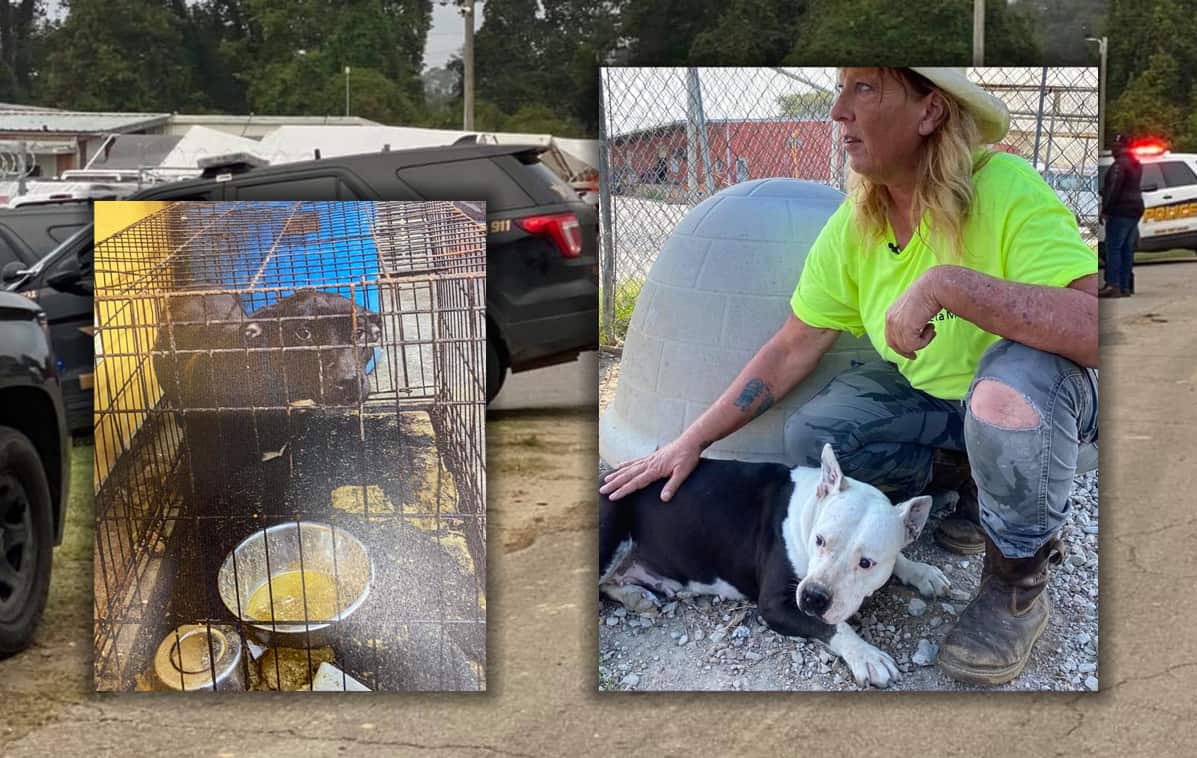
Moreover, there are ancillary provisions designed to bolster the enforcement of these laws. Arkansan law empowers law enforcement officers to seize animals that are believed to be victims of cruelty. This measure serves as a protective barrier, preventing further suffering and ensuring that animal welfare considerations come to the forefront. In worst-case scenarios, providing these protections can help foster hope amidst despair, paving the way for rehabilitation and a better future for the affected animals.
As we scrutinize these laws, it invites consideration of broader ramifications. Does having strict penalties effectively deter individuals from committing acts of cruelty? Many experts argue that while penalties serve as a warning, true prevention lies in education and community awareness. Programs aimed at educating individuals about responsible pet ownership and the intrinsic value of animals can pave the way towards a kinder society. By addressing the root causes of animal abuse—such as lack of understanding, socioeconomic factors, and cultural attitudes—they have the potential to create lasting change.
Moreover, the evolution of technology plays a significant role in our fight against animal cruelty. Social media platforms serve as powerful tools for spreading awareness and mobilizing community action against abusive practices. Increased visibility can lead to increased pressure on law enforcement to uphold animal welfare laws. The challenge, however, lies in ensuring that this mobilization translates into tangible, lasting progress—rather than short-lived outrage that fades when the next trending issue emerges.
Furthermore, it is necessary to highlight the role that organizations play in combating animal cruelty. Numerous non-profit entities work diligently to rescue animals from abusive situations, advocate for stronger legal protections, and provide educational resources. Their initiatives serve as a critical network of support, raising awareness and pushing for reforms. Collaboration between these organizations and governmental bodies can lead to the creation of a more robust framework to tackle animal cruelty.
As we arrive at a conclusion regarding animal cruelty in Arkansas, it is evident that there is still much work to be done. While specific provisions classify and penalize acts of cruelty, true change demands a multi-faceted approach. Societal attitudes must shift toward compassion, understanding, and action. How do we create a culture that values the lives of all creatures? This question may not have a straightforward answer, but it beckons a collective response.
Change does not happen in isolation; it requires concerted effort from individuals, communities, and legal systems alike. By reinforcing our commitment to animal welfare laws, and supporting the initiatives aimed at education and prevention, we are not merely fighting against animal cruelty—we are advocating for a society where kindness and respect for all living beings are paramount. The fight continues, and the path forward will require vigilance, compassion, and unwavering dedication.