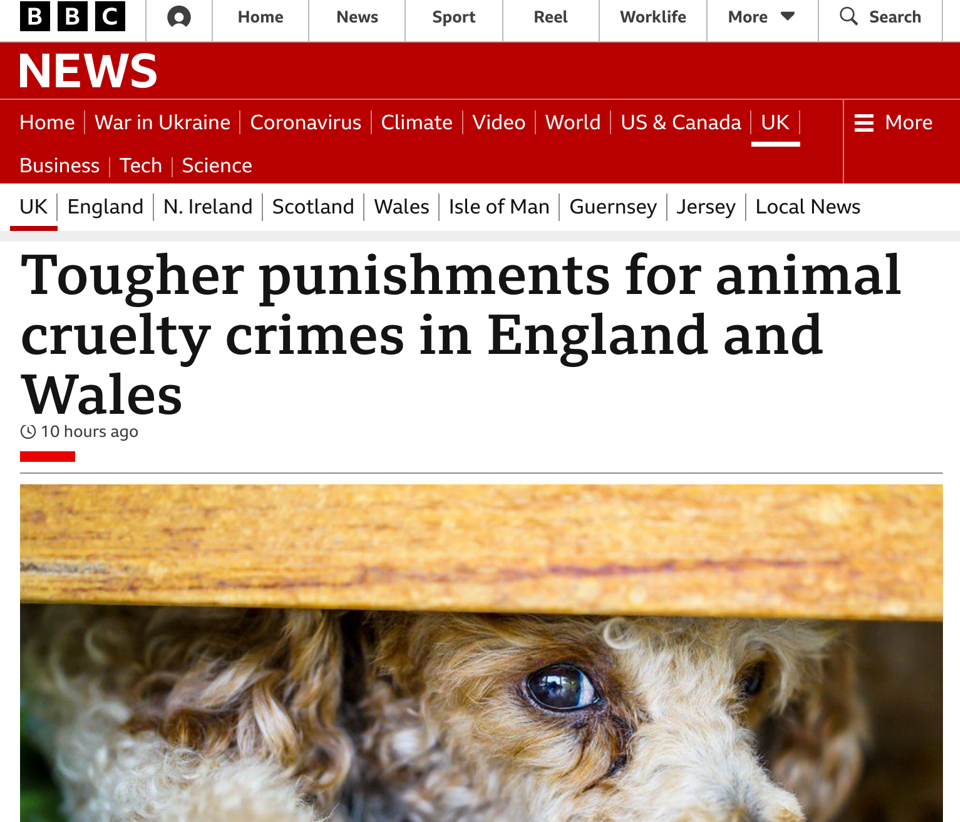
Animal cruelty is a subject that evokes deep emotional responses, and rightly so. It is a moral issue that transcends cultural and geographical boundaries, igniting passionate debates and protest movements worldwide. In the UK and Ireland, the legal framework surrounding animal welfare has evolved significantly over the years, reflecting changing societal attitudes towards animals. This article delves into the intricacies of animal cruelty as a criminal offense in these regions, providing a comprehensive overview of the existing laws, types of offenses, penalties, and enforcement mechanisms.
In the United Kingdom, the central piece of legislation addressing animal cruelty is the Animal Welfare Act of 2006. This landmark law introduced a duty of care, imposing legal responsibilities on pet owners and anyone who comes into contact with animals. Under this act, an individual commits an offense if it can be proven that they caused unnecessary suffering to an animal or failed to provide adequate welfare, including the provision of food, water, and a suitable living environment. The emphasis is not merely on acts of overt cruelty but also on neglect, which can manifest in numerous insidious forms.
In Northern Ireland, the Welfare of Animals Act (Northern Ireland) 2011 plays a similar role. It also criminalizes acts that cause unnecessary suffering and imposes a duty on caregivers to ensure the welfare of animals in their charge. While the principles are largely aligned with those in the rest of the UK, nuances exist, highlighting the need for a region-specific approach to enforcement and education regarding animal welfare.
In contrast, the Republic of Ireland is governed by the Animal Health and Welfare Act 2013. This act brought Ireland into alignment with contemporary animal welfare standards. Like its UK counterparts, it mandates care for animals and proscribes actions leading to unnecessary suffering. However, it distinguishes itself by incorporating provisions safeguarding against unlawful killing and dealing in animals without proper housing conditions. The act reflects an increasing recognition of the sentience of animals and society’s moral obligation towards their care and welfare.
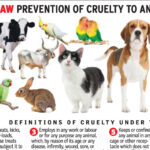
Within the framework of these laws, a variety of offenses are specified. These range from physical abuse—striking, kicking, or otherwise inflicting harm on an animal—to psychological torment, such as abandonment or neglect. In the spectrum of animal cruelty, these actions can be classified into distinct categories: active cruelty, passive neglect, and commercial exploitation. Active cruelty consists of direct actions taken to harm animals, while passive neglect refers to the failure to provide the basic needs of an animal, leading to its suffering. Commercial exploitation often involves systemic cruelty in industrial farming practices or illegal puppy mills.
The penalties for committing acts of animal cruelty can be severe, designed to reflect the seriousness of the crime. Individuals found guilty can face imprisonment, substantial fines, and restrictions on animal ownership. For instance, the Animal Welfare Act of 2006 allows for up to six months of imprisonment and/or an unlimited fine upon conviction in magistrate courts. Should the case escalate to higher courts, these penalties can increase significantly. Similarly, in Ireland, the maximum penalty for animal cruelty offenses can reach €250,000 or two years in prison, reinforcing the commitment to combatting such abhorrent behaviors.
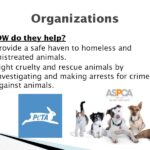
Enforcement of these laws falls upon various agencies, including the police, local authorities, and specific animal welfare organizations. In the UK, the RSPCA (Royal Society for the Prevention of Cruelty to Animals) plays a pivotal role in investigating reports of cruelty. With a cadre of inspectors trained to deal with complex situations involving animal abuse, the RSPCA works in tandem with law enforcement to ensure compliance with animal welfare laws. In Ireland, the Department of Agriculture, Food and the Marine, along with the ISPCA (Irish Society for the Prevention of Cruelty to Animals), oversees enforcement and provides education surrounding animal care standards.
Despite these legal provisions, challenges persist in both the UK and Ireland. Enforcement can be inconsistent due to various factors, including under-resourced organizations and a lack of public awareness regarding reporting mechanisms. Furthermore, the cultural attitudes towards animals can significantly influence how cases of cruelty are perceived and prosecuted. As society becomes increasingly aware of animal welfare issues, there is a palpable demand for stricter laws and more robust enforcement mechanisms. The growing prevalence of social media has also transformed how cruelty cases are brought to light, often leading to public outcries that compel action.
It is essential to consider the broader implications of animal cruelty as a legal matter. On a societal level, the existence of robust laws against animal cruelty not only protects the animals themselves but also reflects the ethical standards of a community. The treatment of animals can serve as a litmus test for the moral compass of society at large, revealing attitudes towards empathy, compassion, and responsibility.
In conclusion, animal cruelty is indeed a criminal offense in both the UK and Ireland, governed by comprehensive legal frameworks designed to protect animals from unnecessary suffering. As the dialogue surrounding animal rights continues to expand, so does the legal landscape, illustrating an ongoing commitment to fostering a more humane society. However, the need for continued education, robust enforcement, and public engagement remains vital in the fight against animal cruelty. Advocates and organizations must work tirelessly to elevate awareness, ensuring that the laws—while essential—are also effectively implemented and respected.