Every day, countless animals endure unimaginable suffering and neglect across the globe. The heinous acts of cruelty can manifest in numerous forms, from abandonment and neglect to physical abuse and exploitation in various industries. As individuals, we wield a significant amount of influence in combating these grievous actions. By fostering a culture of compassion and advocacy, we can collectively work towards the reduction of animal cruelty. This article explores practical methods to prevent animal cruelty in your everyday life, presenting actionable steps that anyone can take to become a powerful voice for the voiceless.
First and foremost, education is paramount. Understanding the nuances of animal rights and welfare issues cultivates a profound awareness that can lead to meaningful change. Familiarize yourself with local and global animal welfare organizations and their missions—knowledge is a catalyst for advocacy. Consider attending workshops, webinars, or community events that focus on animal welfare topics. Engage in discussions with friends, family, and coworkers to debunk myths surrounding animal cruelty and promote informed perspectives about humane treatment. Sharing compelling information, such as statistics on abuse cases and the multitude of ways animals are exploited, can be a pivotal component in shifting societal mindsets.
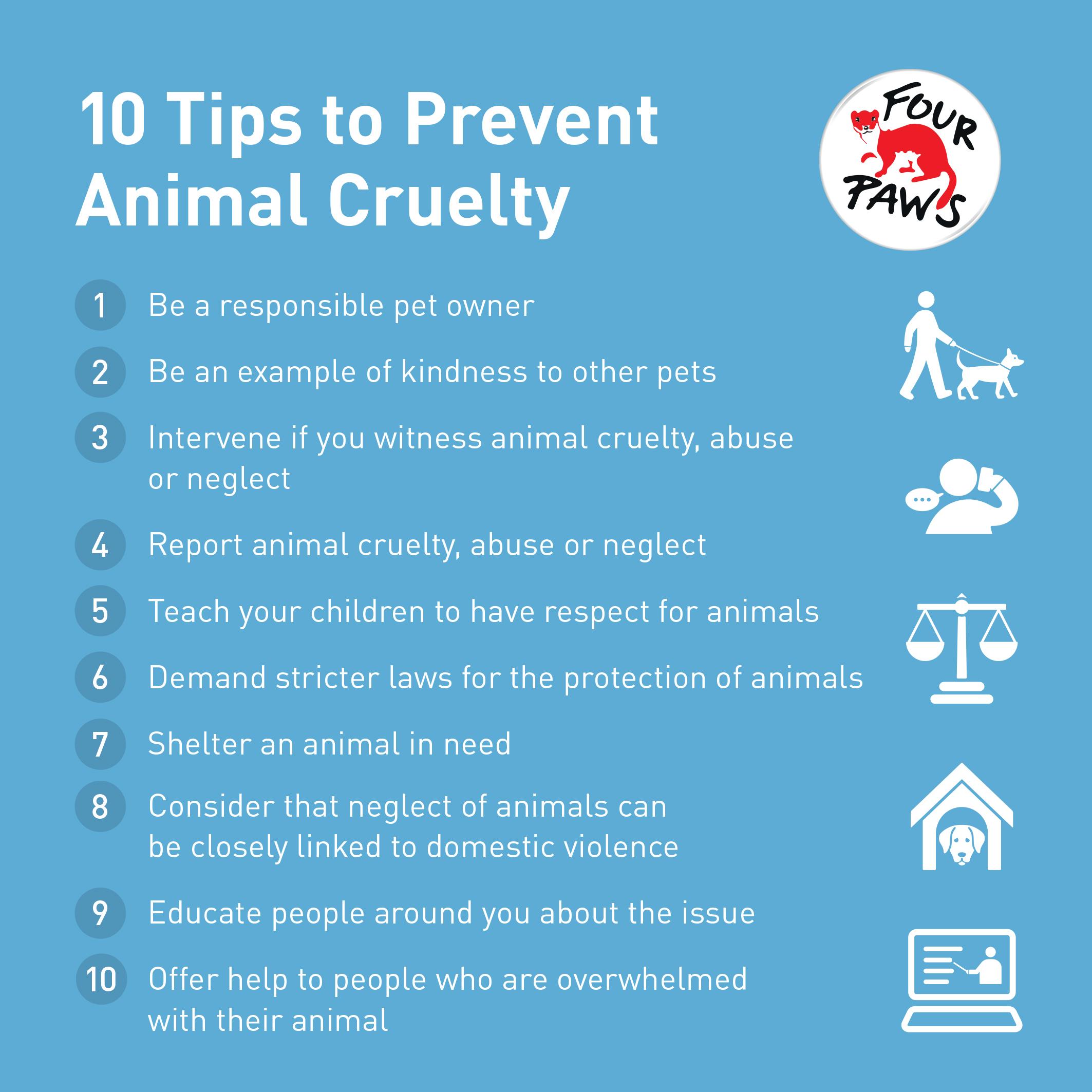
Moreover, support local shelters and rescues. Your involvement can take on various forms—donating food, providing funds, or volunteering your time. Shelters are often overwhelmed with animals in need, and a few hours dedicated to their care can make a significant difference. Additionally, consider fostering animals that require a temporary home. By providing a safe and loving environment, you directly contribute to their wellbeing and increase their chances of being adopted into forever homes. Fostering not only saves lives but also teaches values of compassion and responsibility within your community.
Furthermore, adopt, don’t shop. This powerful mantra serves as a reminder that purchasing pets from breeders or pet stores can inadvertently support inhumane breeding practices. By choosing to adopt from shelters, you not only rescue an animal in need but also open up space for another animal to be saved. Adopting a pet comes with a responsibility to ensure its wellbeing, including providing proper nutrition, veterinary care, and a loving environment. In essence, an adoption is a commitment to advocacy for that life, instilling a sense of duty to advocate for other animals in peril.
Another vital aspect is speaking out against animal cruelty when you witness it. Whether it is neglect by pet owners, mistreatment in specific industries, or the presence of stray animals in distress, your voice can become an instrument of change. Report cases of abuse to local authorities or animal welfare organizations. These reports can trigger investigations and potential interventions that save animals from horrific conditions. Use social media platforms wisely to raise awareness and foster solidarity. A simple post about an ongoing cruelty case can galvanize your community, igniting a shared passion for advocacy among others.
Be conscious of the products you consume. Research brands and companies to understand their animal testing policies and the ethical standards they uphold. Opt for cruelty-free products that do not test on animals, supporting companies that prioritize humane practices. This applies not only to personal care items but also to food choices. Consider the implications of factory farming and promote cage-free or free-range products. By aligning your purchasing power with ethical standards, you contribute to a market demand that values animal welfare.
Moreover, consider the significance of pet ownership education. If you own pets, ensure you are informed about their needs and potential behavioral issues. Misunderstanding can lead to neglect or abandonment. Responsible pet ownership encompasses training, socialization, and regular check-ups, all contributing to the overall health and happiness of the animal. When individuals become exemplary pet owners, they not only enhance the lives of their pets but also set a positive example for the people around them.
Participating in legislative advocacy cannot be understated. Research proposed laws and regulations related to animal welfare and participate in public forums, petitions, or lobbying efforts. Your voice can be instrumental in promoting animal-friendly legislation that modernizes laws aligning with humane treatment. By attending town hall meetings or engaging in grassroots campaigns, you can influence policy changes that result in better protection for animals. This proactive approach is essential, as systemic change often leads to widespread improvements in animal welfare.
Finally, nurture compassion within your local community. Educate children about kindness towards animals and the importance of empathy. Encourage school programs that involve animal care, fostering an understanding of the intrinsic value of all living beings. Initiatives such as pet therapy can also highlight the positive impacts of the human-animal bond. When future generations are instilled with the same values of compassion and stewardship, lasting change becomes possible.
In summary, preventing animal cruelty is a multifaceted endeavor that requires collective action. By immersing ourselves in educational resources, supporting animal welfare organizations, and adopting a compassionate lifestyle, we can effectuate change. Being diligent advocates in our communities and demanding better standards within industries reflects an unwavering commitment to the wellbeing of animals. Ultimately, every small effort contributes to a larger movement, fostering a world where cruelty is not tolerated and compassion for all beings prevails.