Animal cruelty is an abhorrent reality that persists across the globe. While some might see it as a niche issue, it is, in fact, a pervasive problem that demands the collective action of individuals, organizations, and government bodies alike. The ways to combat this injustice are manifold, and this article elucidates distinct strategies that can foster an environment of compassion and advocacy for animals.
First and foremost, education is paramount. A well-informed populace is better equipped to recognize and respond to instances of animal cruelty. Educational campaigns in schools, community centers, and online platforms can disseminate critical information regarding humane treatment, responsible pet ownership, and the legal ramifications of animal abuse. Workshops featuring guest speakers from animal welfare organizations can ignite passion and drive change in attendees. By integrating these discussions into curricula, young minds can develop an ingrained respect for animals and a commitment to their welfare.
Moreover, the importance of advocacy cannot be underestimated. Citizens can mobilize by supporting legislation designed to protect animals and advocating for stricter enforcement of existing laws. Lobbying efforts can coalesce around local, state, or national initiatives aimed at preventing cruelty. Petitions, grassroots campaigns, and the utilization of social media platforms can amplify the call for legislative reform. When individuals unite to create a collective voice, they can influence policymakers to enact humane laws, thereby reducing the instances of cruelty.
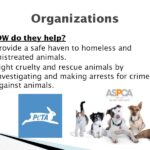
Volunteering for local animal shelters or rescue organizations offers another avenue for direct action. These institutions often rely on the goodwill and efforts of community members to function effectively. Volunteer opportunities may include fostering animals, assisting in the adoption process, or participating in fundraising events. By investing time and resources into these organizations, volunteers not only help alleviate the immediate effects of animal suffering but also promote a culture of empathy within their communities.
Promoting awareness through social media is an increasingly potent tool in the fight against animal cruelty. Platforms such as Instagram, Twitter, and Facebook can serve as forums for sharing poignant stories and images that highlight the plight of abused animals. By creating engaging content—such as infographics, videos, or blog posts—activists can inspire followers to join the cause. Hashtags and viral campaigns can rapidly spread vital information and mobilize supporters, transforming individual empathy into collective action.
Another critical strategy lies in supporting ethical businesses. The rise of conscious consumerism has led to a new market where consumers can choose to support brands that prioritize animal welfare. Researching companies for their humane practices and purchasing goods from those that do not contribute to animal cruelty encourages ethical behavior within the marketplace. Additionally, businesses with animal-friendly policies can garner a loyal consumer base, ultimately driving an industry-wide shift toward more compassionate practices.
Engaging in outreach programs can also bridge the gap between different segments of society. Many communities experience cultural divides regarding the treatment of animals. By fostering dialogue among various groups, outreach initiatives can educate populations on humane practices and promote empathy across cultural divides. Hosting community events, such as workshops or pet fairs, allows for shared experiences that build relationships and foster a community-wide approach to animal welfare.
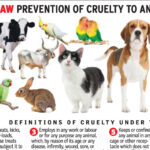
Furthermore, collaborating with local law enforcement can significantly enhance efforts to curb animal cruelty. Training for professionals in recognizing signs of neglect or abuse can lead to quicker interventions. Community members can advocate for the creation of specialized units within law enforcement agencies focused solely on animal welfare. These officers can work in tandem with rescue organizations, ensuring that cruelty cases are addressed promptly and effectively.
Petitions play a significant role in advocating for change, especially when aimed at corporations or governments. They draw attention to a specific issue, rallying public support that can compel action. Effective petitions outline clear demands and are backed by robust evidence demonstrating the need for change. Platforms like Change.org enable activists to reach a wider audience and facilitate ease of signing, contributing to a growing movement against cruelty.
Finally, creating a culture of accountability is essential. Community members must feel empowered to report instances of cruelty without fear of repercussion. Establishing hotlines or anonymous reporting systems can encourage vigilance among the public. Moreover, encouraging transparency in local government and animal welfare organizations helps to build trust and ensures that reported cases are handled with the seriousness they deserve.
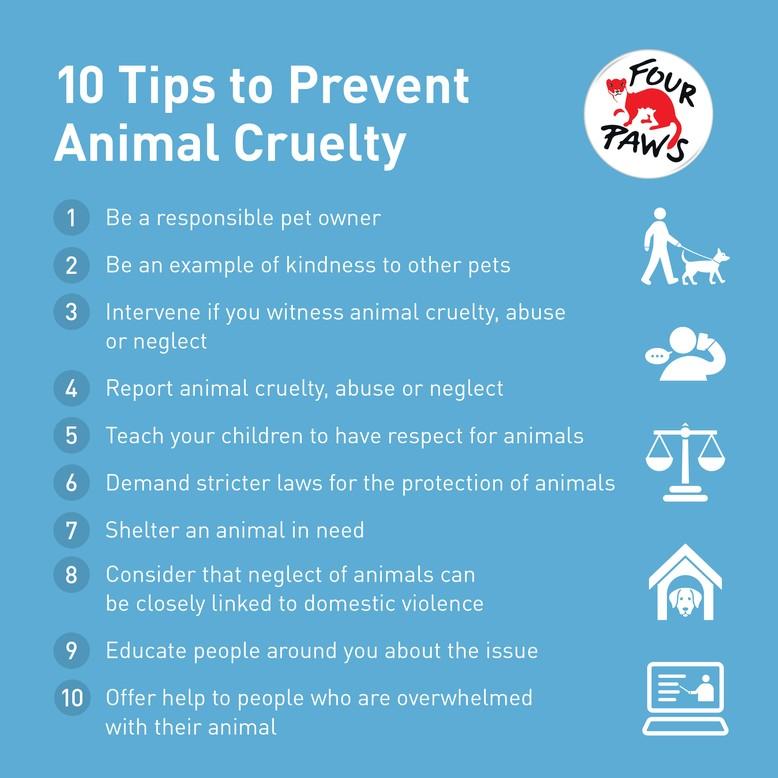
In summary, addressing animal cruelty requires a multifaceted approach centered around collective action. Education, advocacy, volunteering, consumer responsibility, outreach, collaboration with law enforcement, grassroots mobilization, and a culture of accountability all contribute to a robust framework for combating this pressing issue. By uniting individuals driven by empathy and a shared commitment to animal welfare, society can create a formidable front against cruelty. The time to act is now; as we collectively amplify our voices, we can forge a future where all beings are treated with kindness and respect.