Animal cruelty is a grave issue that permeates various aspects of society, leaving countless innocent beings to suffer in silence. As compassionate individuals, it is pivotal to be vigilant and prepared to take action when witnessing signs of mistreatment. This article provides a comprehensive step-by-step guide on how to report animal cruelty, ensuring that we mobilize our collective voices against such heinous acts.
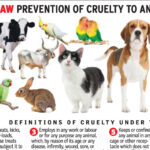
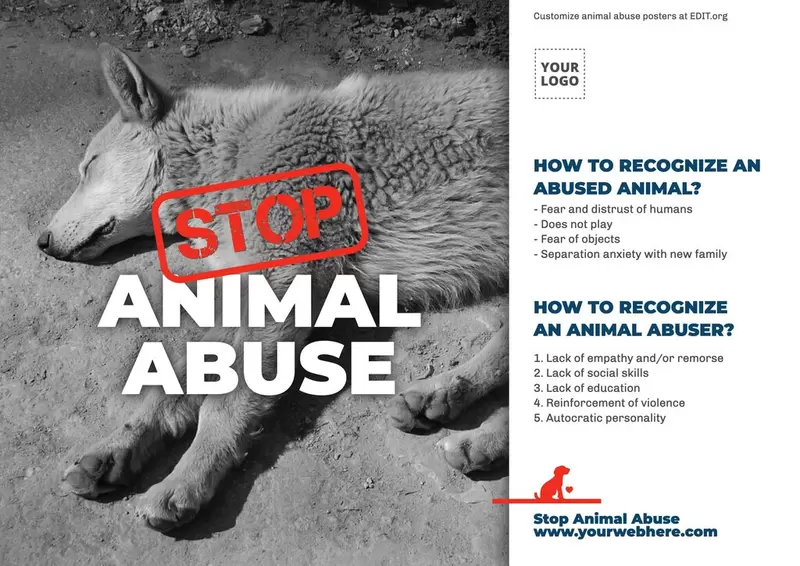
To effectively report animal cruelty, one must first recognize its multifaceted nature. Cruelty can manifest in diverse forms, ranging from neglect to outright violence. Neglect may include inadequate shelter, insufficient food and water, or failure to provide medical care. Conversely, overt acts of violence might involve physical assault, abandonment, or utilization of animals for illegal purposes, such as dog fighting. Recognizing these signs is the initial step towards implementing meaningful change.
### Step 1: Assess the Situation
Your observation of potential cruelty is critical, but it must be thorough and precise. Are you witnessing direct abuse, or are there signs of neglect? Take a moment to observe the surroundings and the individuals involved. Note the condition of the animal, its living environment, and any discernible interactions. Documenting specific details – such as the type, breed, age, and condition of the animal – can bolster your case and ensure that authorities are fully informed.
### Step 2: Gather Evidence
Evidence collection is paramount in substantiating your claims. Document your findings by taking photographs or recording videos discreetly if it is safe to do so. However, be mindful of the laws regarding privacy in your area; avoid putting yourself in harm’s way or violating any regulations. Additionally, take notes describing the events as they occur. Detail timestamps, locations, and the individuals involved. This information can provide vital context when filing a report.
### Step 3: Know the Laws
Understanding the legal framework surrounding animal cruelty in your jurisdiction will empower you to navigate the reporting process more effectively. Each state or country may have its statutes, definitions of cruelty, and penalties. Research local laws to ensure that your concerns align with legal definitions and guidelines. In certain areas, specific agencies may oversee animal welfare, while others may involve local law enforcement.
### Step 4: Identify the Appropriate Authorities
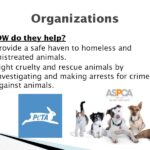
Once you have assessed the situation and gathered the requisite evidence, it is critical to identify the authority responsible for addressing your concerns. This might include local animal control agencies, humane societies, or law enforcement. In many instances, animal control departments can initiate investigations or provide guidance on further steps. Research the relevant organizations within your region to direct your report appropriately.
### Step 5: File Your Report
Filing a report can be as straightforward as making a phone call or submitting an online form, depending on the organization involved. When contacting authorities, be prepared to share all pertinent information. Provide your contact details, so they can follow up with you for additional context or clarification. Be clear, concise, and factual in your report; emotional appeals, while genuine, are often less impactful than concrete evidence and clear observations.
### Step 6: Follow Up
After submitting your report, it’s a good practice to follow up with the authorities. This not only demonstrates your commitment to the cause but may also provide you with updates regarding the status of the investigation. Be patient; the investigative process can take time, and multiple reports may be necessary to build a strong case. Additionally, inquire about how you can maintain anonymity if desired, particularly if you fear potential repercussions.
### Step 7: Advocate for Change
Once you’ve taken the necessary steps to report animal cruelty, consider advocating for broader change. Engage with local organizations dedicated to animal welfare and explore opportunities to volunteer or participate in awareness campaigns. Education plays a vital role in combating animal cruelty; sharing information with your community can foster empathy and encourage proactive measures against mistreatment.
Moreover, utilizing social media to amplify these issues can lead to increased visibility, mobilizing support from like-minded individuals. Petitions, fundraising events, or educational workshops can build momentum for advocating policies that protect animals from harm. Empowering others to recognize and report cruelty enhances the culture of accountability.
### Conclusion
The fight against animal cruelty necessitates vigilance, knowledge, and action. By equipping yourself with the tools to recognize and report cruelty, you join the millions of advocates committed to safeguarding the welfare of voiceless beings. Remember, every report you file and every action you take contributes to a larger movement against torture and neglect. Through collective effort, we can cultivate compassion and foster a nurturing environment for all animals.