In a society that seemingly espouses compassion, it is disheartening to confront the pervasive issue of animal cruelty. Whether through neglect, abuse, or exploitation, countless animals suffer in silence, their voices drowned out by indifference. However, the question remains: how can we effectuate meaningful change? What practical steps can individuals take to combat this insidious problem? This article seeks to delineate actionable strategies that can empower you to stop animal cruelty today.
First, educating oneself about the diverse forms of animal cruelty is paramount. Awareness is the cornerstone of effective activism. Many may not recognize the subtleties that delineate benign interactions from harmful ones. For instance, understanding the psychological effects of confinement on captive animals can illuminate the ethical dilemmas surrounding zoos and circuses. Similarly, being cognizant of the harsh realities of puppy mills can galvanize support for legislative reforms. By familiarizing ourselves with the plight of animals, we create a solid foundation upon which to build our activism.
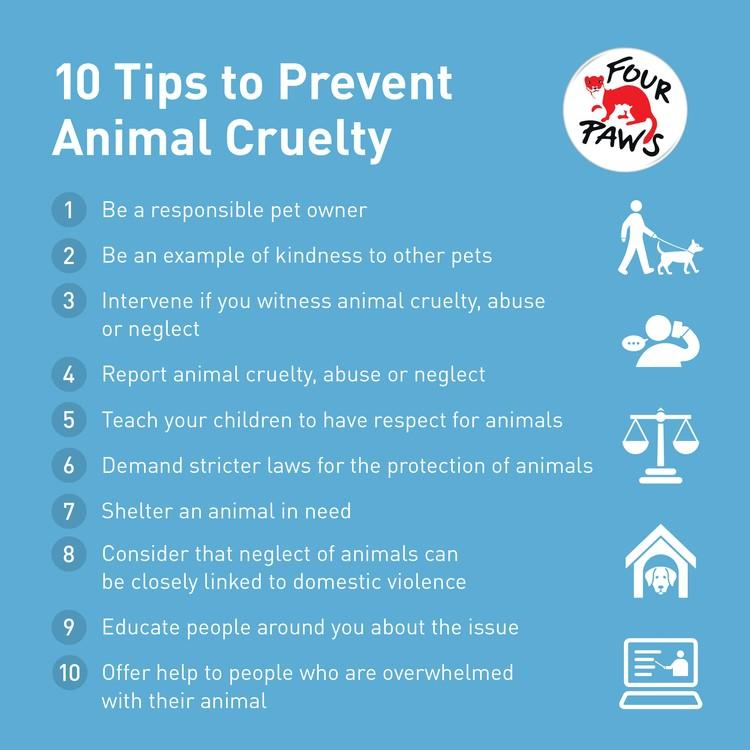
Once equipped with knowledge, the next step is to advocate for legislative reform. Petitions, calls to representatives, and community forums serve as platforms for voicing concerns and demanding better laws. The Animal Welfare Act provides a framework for legal protection, but its stipulations are often inadequate or poorly enforced. Rallying your community to support stronger ordinances or amendments can create ripple effects that enhance protections for animals. Engage in conversations; incite debates. Mobilizing public opinion is a formidable tactic when enacting change.
Moreover, fostering connections with local animal rescue organizations is a practical path to triumph over cruelty. Many shelters operate solely on donations and volunteer labor, necessitating community involvement for survival. Consider donating your time or resources, hosting fundraisers, or organizing awareness campaigns about their mission. These shelters often provide educational resources and serve as hubs for activism. Their frontline work directly addresses the local manifestations of animal cruelty, making your contributions not just impactful, but essential.
While engaging with organizations, consider the power of social media as a tool for advocacy. Platforms such as Twitter, Instagram, and Facebook can amplify your voice and spread awareness rapidly. Creating informative posts, sharing petitions, or highlighting success stories are substantial ways to garner attention on animal issues. Remember, a picture can evoke emotions more potent than mere words. Be deliberate in your messaging; every share can catalyze a movement.
Additionally, consumers wield considerable power in combating animal cruelty. Every dollar spent can either endorse ethical treatment or perpetuate cruelty. Educate yourself about the businesses that prioritize humane practices. Opt for cruelty-free products, support local farms that treat animals with respect, and scrutinize brands that are notorious for their inhumane treatment of animals. By making conscious purchasing decisions, you send a clear message: we demand a cruelty-free world.
One might pose a perplexing challenge: can volunteering at an animal shelter truly make a difference in the fight against cruelty? The resounding answer is yes. Shelters are often overwhelmed with the sheer volume of abandoned or abused animals. Your time can be devoted to nurturing these animals, easing their transition to new homes, or even assisting in public outreach programs. By working directly with these creatures, you gain unparalleled insight into their needs and struggles, fostering a deep-rooted empathy that fuels further advocacy.
Furthermore, fostering awareness among children is crucial for cultivating a future devoid of cruelty. Engaging young minds through educational programs focused on empathy and compassion towards animals can instigate profound change. Schools can adopt curricula that emphasize responsible pet ownership, respect for wildlife, and the significance of conservation. Supporting youth organizations that prioritize animal welfare ignites passion in future generations, ensuring that the message of compassion continues to resonate.
Promoting humane education extends beyond formal settings; communities can organize local workshops. Inviting veterinarians, animal behaviorists, and activists to speak can transform local perceptions about animal welfare. Holding community screenings of documentaries that expose the horrid realities of animal cruelty can ignite conversations that lead to action. Each initiative, no matter how small, contributes to a broader societal shift.
Moreover, engaging with the media can bring significant attention to pressing animal welfare issues. Writing articles, letters to the editor, or even leveraging local news outlets to highlight stories of cruelty can put pressure on lawmakers and businesses to change. Each story shared not only holds individuals accountable but also reminds the public that these issues cannot remain in the shadows.
Lastly, practice patience and persistence; change is seldom immediate. Every action, no matter how trivial it seems, is a step towards a more compassionate society. Celebrate the small victories, for they often lay the groundwork for larger triumphs. Form alliances; connect with others who share the same values. Together, collective perseverance can dismantle the systematic cruelty that plagues our world.
In conclusion, the fight against animal cruelty demands not only awareness but action and commitment. By educating ourselves, advocating for reforms, engaging with local organizations, and altering consumer habits, we assert our dedication to a humane society. So, are you ready to take the pledge? The challenge is before you: what will you do today to make a difference for the voiceless creatures that share our world? The choice is yours, and every decision counts.