The fight against animal cruelty is a noble and vital cause, necessitating a concerted effort to expand awareness and mobilize action. As digital citizens, we hold profound power at our fingertips to catalyze change in this imperative field. Spreading awareness about animal cruelty requires a judicious approach that not only informs but also inspires ethics and compassion towards our furry companions. Here, we elucidate strategies to disseminate information safely and effectively online, ensuring a shift in perspective among audiences.
Firstly, it is paramount to understand the gravity of the issue. Animal cruelty manifests in diverse forms, from neglect and abandonment to systematic abuse and exploitation in various industries. By arming oneself with knowledge about the various facets of cruelty, advocates can present a more compelling case to their audiences. Fact-based narratives can assiduously dismantle myths and misconceptions surrounding animal welfare, leaving a more profound impact.
Engagement through storytelling is an indispensable technique in raising awareness. Personal stories and testimonials resonate universally; they possess the potency to touch hearts and evoke empathy. Narratives of rescued animals, their struggles, and subsequent rehabilitations serve as poignant reminders of the resilience of life and the urgent need for intervention. By sharing these narratives through blogs, social media posts, or videos, advocates can establish an emotional connection with their audience, fostering a deeper commitment to the cause.
The medium chosen to convey these messages is equally vital. Social media platforms—ranging from Facebook to Instagram—offer an expansive reach, allowing advocates to connect with a diverse audience. However, it’s crucial to tailor content for each platform. Visual content, such as images and videos, tend to garner higher engagement rates on platforms like Instagram and TikTok, whilst detailed articles may be more suited to Facebook or Twitter. Creative infographics can effectively encapsulate complex information succinctly, catering to those who consume information quickly.
When crafting content, astuteness in language is crucial. Striking a balance between being informative and emotionally engaging can be achieved through the application of evocative prose while maintaining clarity. Avoiding graphic or overly distressing images can also ensure that the content is digestible; instead, opting for images that elicit compassion and hope may drive more users to take action. It is also prudent to utilize research-backed statistics to substantiate claims, granting credibility and authority to the narrative.
Collaboration is another vital aspect of spreading awareness. Joining forces with like-minded individuals, organizations, and influencers can magnify the reach of the message. By participating in campaigns or online challenges with established entities, advocates gain access to a more extensive network and can leverage their resources and credibility. Utilizing hashtags effectively facilitates visibility, enabling content to penetrate wider audiences with shared interests.
To further bolster advocacy efforts, hosting online events or webinars presents an engaging alternative to traditional outreach. These virtual platforms enable advocates to share vital information while allowing participants to ask questions and engage in discussions. During such events, it is essential to maintain a friendly atmosphere where participants feel comfortable sharing their thoughts and experiences. By fostering a community, awareness can grow organically, leading to sustained interest in animal welfare.
Moreover, creating an educational online resource hub can serve as a repository of information and advocacy tools. Featuring articles, videos, and downloadable content focused on animal welfare issues allows supporters to self-educate and share resources within their circles. By providing actionable items, such as letter templates to local representatives or petitions to sign, advocates empower their audience to contribute meaningfully, thus transforming awareness into tangible action.
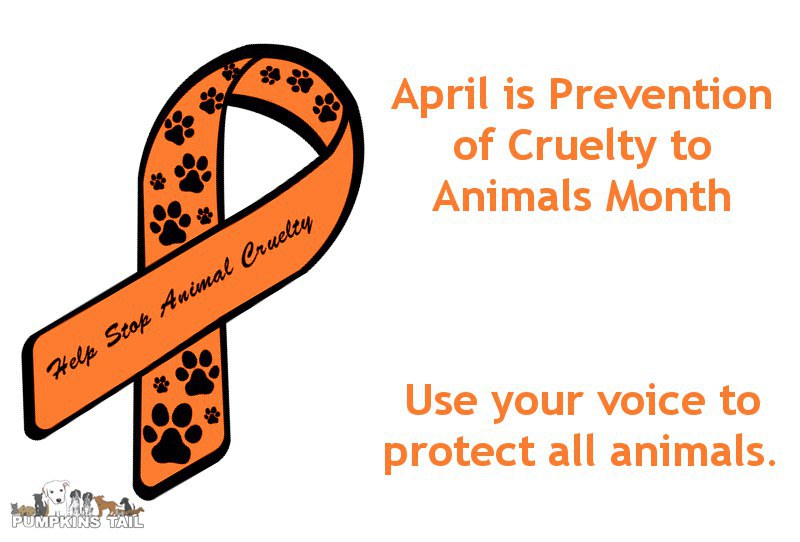
It is also worth noting the significance of timing and resonance with current events. Aligning awareness campaigns with relevant dates, such as Animal Cruelty Prevention Month, can bolster visibility and relevance. Campaigns that coincide with trending topics or significant cultural moments can capitalize on existing conversations, creating an even larger ripple effect in awareness generation.
To ensure the safety and efficacy of online advocacy efforts, it is vital to remain vigilant about online conduct. Advocates should prioritize their mental well-being and establish clear boundaries. The exposure to the often painful realities of animal cruelty can be distressing, and self-care must never be overlooked. Engaging in supportive communities and practicing mindfulness can mitigate burnout, preserving the advocate’s ability to sustain their efforts.
Finally, evaluating the impact of online campaigns is crucial to refining future strategies. Keeping track of engagement metrics, such as shares, comments, and impressions, equips advocates with valuable insights into what resonates with their audience. This analytical approach allows for iterative improvements to future campaigns, ensuring that efforts remain relevant and impactful.
In conclusion, advancing awareness of animal cruelty online necessitates a multifaceted approach, intertwining knowledge, storytelling, collaboration, and thoughtful engagement strategies. Each individual possesses the potential to be a catalyst for change; indeed, curiosity can lead to a profound transformation in perspective regarding the treatment of animals. With thoughtful approaches, the digital realm can be harnessed as a formidable ally in the ongoing battle against animal cruelty. The aspiration for a world free of such cruelty hinges on our collective ability to inform, evoke empathy, and drive action—and it begins with us.