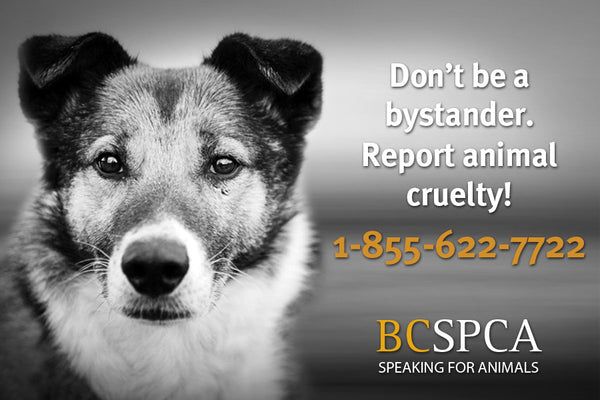
Animal cruelty remains a grave concern across the United States, including sunny Largo, Florida. The right to report wildlife mistreatment is not merely a civic duty; it is an avenue for justice and protection of the voiceless beings around us. Have you ever wondered what happens when wild animals suffer in silence? Addressing this issue involves both sensitivity and pragmatism. Here’s a comprehensive guide on how to report wild animal cruelty in Largo, FL—covering hotlines and the necessary legal steps.
Understanding Wild Animal Cruelty
To adequately report incidents of animal cruelty, one must first understand what constitutes such acts. Wild animal cruelty can manifest in numerous ways: abandonment, neglect, intentional harm, or failure to provide necessary care. These acts do not just harm the animals but also disrupt the natural ecosystem. Consequently, it becomes vital to identify these acts when observed.
Recognizing the Signs
Recognizing signs of wild animal cruelty requires acute awareness. Look for physical indicators such as injuries, emaciation, or lack of shelter. Behavioral signs may also be telling; animals exhibiting unusual aggression, fearfulness, or distress are often victims of mistreatment. Keep in mind that wildlife is adept at hiding injuries and distress, making it imperative for observers to be vigilant.
Immediate Steps to Take
Once you have observed potential cruelty, the first course of action is to ensure your safety. Engaging with a wild animal, particularly one exhibiting distress, can pose risks to both you and the animal. Avoid any direct interaction; instead, proceed with reporting the incident. Document everything: take photographs, jot down notes about the behavior of the animal, and gather witness accounts if possible.
Reporting Wild Animal Cruelty
Now that the situation is assessed and documented, it is time to initiate the report. In Largo, residents can contact local authorities or wildlife organizations. The Florida Fish and Wildlife Conservation Commission (FWC) offers a straightforward hotline for reporting animal cruelty. Their number is (888) 404-3922. This hotline is operational 24/7 and is a crucial tool for concerned citizens.
When reporting, be prepared to provide location details, any observed behaviors, and, if applicable, the condition of the animal. Specificity is key. Vague descriptions may hinder authorities from taking prompt action.
Engaging Local Organizations
After contacting the FWC, connecting with local animal welfare organizations can enhance your effort. In Largo, groups like the SPCA or animal rescue groups are invaluable allies. They are equipped to offer expert guidance and intensify advocacy for the reported animals. Their experience in dealing with bureaucratic procedures can also alleviate some of the burdens on individuals seeking justice.
Legal Context and Protections
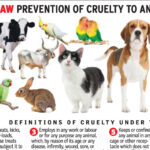
Understanding the legal framework surrounding animal cruelty is vital for anyone wishing to engage in advocacy. In Florida, animal cruelty laws are codified under state statutes, which outline definitions, penalties, and the legal responsibilities of individuals regarding wildlife protection. Familiarize yourself with Chapter 828 of the Florida Statutes. It’s beneficial to know what constitutes a violation of these laws so that your report is rooted in legal parameters.
It is notable that wild animals enjoy certain protections under federal laws as well, including the Endangered Species Act. Violators could face severe penalties depending on the severity of the cruelty and the species affected. This overarching legal protection emphasizes the responsibility of citizens to report suspected wildlife abuse.
Challenges in Reporting
While the reporting structures are in place, challenges often arise. Limited resources can be a barrier for local agencies tasked with responding to reports of cruelty. Additionally, some cases may take time to be investigated fully, which can be frustrating for the observers who initiate the report. There is also the challenge of public apathy where individuals may hesitate to act, questioning the impact of their report.
Despite these challenges, it is essential to remain persistent. Your action—however small—contributes to a collective voice that fights against animal cruelty. Remember, every report plays a role in creating a culture that respects and protects our wild counterparts.
Fostering Community Awareness
Advocacy does not stop at reporting; community awareness serves as a formidable weapon against animal cruelty. Organize or participate in local awareness events, distribute educational materials, or utilize social media platforms to disseminate information. Being vocal and informed can inspire others to take action, creating a ripple effect that extends beyond your immediate interactions.
Conclusion
Largo has a potent blend of natural beauty and wildlife, and protecting these natural assets is a shared responsibility. Reporting instances of wild animal cruelty not only safeguards individual animals but fosters a community ethos that values compassion and stewardship of the environment. The next time you encounter a situation where animals are in jeopardy, remember the channels available to you and the difference your voice can make. The path may be fraught with challenges, but the reward is a moral obligation to uphold. Let us remain vigilant, aware, and relentless in this endeavor.