Animal cruelty is a pressing issue that ignites strong emotions in many individuals, and in Virginia, there are specific steps that one must take to report such acts effectively. Understanding the nuances involved in the reporting process can empower citizens to take an active role in protecting vulnerable creatures suffering from neglect or abuse. This article delineates the steps and considerations necessary when faced with the heart-wrenching realization that an animal is enduring mistreatment.
Understanding Animal Cruelty in Virginia
Before undertaking the steps to report animal cruelty, it is paramount to comprehend what constitutes animal cruelty under Virginia law. The law categorizes animal cruelty into two primary types: intentional cruelty and neglect. Intentional cruelty includes acts of violence or willful neglect that result in harm or suffering, while neglect may encompass failure to provide adequate food, water, shelter, or health care for the animal.
Virginia statute 3.2-6570 emphasizes that animals are sentient beings deserving protection. Thus, any observable signs of distress such as malnourishment, severe injury, or substantial living conditions can be potential indicators of maltreatment.
Preparing to Report: What to Observe
When you suspect animal cruelty, your immediate concern is for the well-being of the animal. However, to facilitate a comprehensive report, it is crucial to gather as much pertinent information as possible. Start with detailed observations:
- Physical Condition: Note any visible injuries, poor condition of the animal’s coat, and signs of distress or fear.
- Environment: Assess the living conditions. Are the animals kept in unsanitary or unsafe situations? Are they deprived of basic necessities?
- Behavioral Cues: Consider the animal’s demeanor. A fearful animal may indicate a history of abuse.
- Time Frame: Document how long you have observed these conditions. A prolonged state of neglect is often a critical aspect in these cases.
- Date and Time: Keep a log of the dates and times when you witness the instances of suspected cruelty.
- Photography and Video: If it is safe to do so, and without putting yourself at risk, capture evidence through photographs or video recordings. These can serve as compelling documentation.
Contacting the Authorities
When you believe that you have substantial evidence of animal cruelty, the next step is to contact the appropriate authorities. In Virginia, you can reach out to local animal control agencies, humane societies, or law enforcement. It is crucial to identify the correct agency based on your locality, as each jurisdiction may have different resources and response protocols.
To initiate a report, you will need to provide the information you meticulously gathered. Speak directly to the officers or representatives and articulate your concerns clearly. It is important to remain objective and provide factual information rather than let emotions dictate the narrative.
Most jurisdictions allow reports to be made anonymously, but if you are comfortable providing your contact information, it may assist in obtaining further updates regarding the situation.
Understanding the Investigation Process
Once a report is filed, the authorities will typically conduct an investigation. This process may involve visiting the location, speaking with neighbors, and examining the animals in question. In many cases, investigators have the authority to seize animals found to be in immediate danger. Understanding this process can help temper expectations; investigations can take time, and outcomes may vary based on the evidence available.
Additional Resources
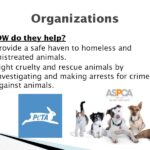
Beyond local animal control, there are organizations devoted to combatting animal cruelty that offer valuable resources. The Virginia Department of Agriculture and Consumer Services provides guidelines and support for residents looking to report animal welfare issues. Furthermore, national organizations such as the ASPCA offer educational materials on animal cruelty and can provide assistance in many situations.
Networking with local animal rescue groups or humane societies can strengthen community engagement. By joining forces, citizens can raise awareness, lobby for stronger laws, and participate in advocacy campaigns designed to protect animals.
What to Expect After Reporting
Once your report is filed, you may wonder about follow-up actions. While it is essential to respect the investigative processes, consider reaching out to the agency if you have not received any updates within a reasonable timeframe. Keeping abreast of the situation can help ensure that the case remains a priority.
Sometimes, the outcome may not align with your expectations. If the authorities conclude that there is not enough evidence to warrant action, it is essential to remain vigilant. Continued monitoring of the situation and documenting any further concerns can bolster the case if the issue persists.
Conclusion
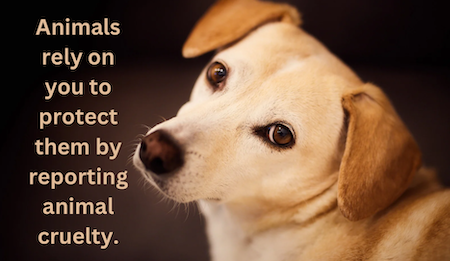
Reporting animal cruelty is a critical responsibility that can make a tangible difference in the lives of suffering animals. By being informed, prepared, and proactive, individuals can engage in meaningful action to safeguard those who cannot speak for themselves. Remember that while confronting issues of cruelty can be emotionally charged, a cool-headed approach with comprehensive evidence is the most effective route to fostering change in Virginia.