Animal cruelty is a pervasive issue that warrants urgent attention, especially in regions like Oklahoma where rural communities may hold different perceptions about animal welfare. Understanding the mechanisms for reporting abuse is crucial for ensuring the safety and well-being of the animals that depend on human guardianship. This article delineates the steps one can take to report animal cruelty, the agencies involved, and the tools available to those who wish to act against such injustices.
Animal cruelty encompasses a variety of acts, ranging from neglect—such as failing to provide adequate food or shelter—to intentional harm. In Oklahoma, as in many regions, the laws concerning animal welfare offer a framework for prosecuting offenses while also emphasizing the importance of public involvement in reporting incidents of cruelty. The continuum of animal neglect and abuse is often indicative of deeper societal issues, making it essential that citizens remain vigilant.
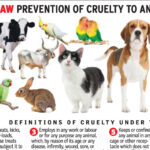
To initiate the reporting process, the first step is to ascertain whether you have witnessed an act that qualifies as animal cruelty. Oklahoma law categorizes animal cruelty into two primary offenses: misdemeanor and felony. Misdemeanor charges typically pertain to neglect or acts of cruelty that do not result in serious injury or death. Felony charges are reserved for actions that involve severe harm or death to an animal and may include organized abuse or fighting rings. An informed observer can make distinctions between these categories, enabling a more accurate report.
The most effective way to report animal cruelty in Oklahoma is through local animal control agencies or law enforcement. Each municipality may have its distinct procedures and resources; however, it is commonly advisable to contact the local police department or sheriff’s office. These entities have a responsibility to investigate claims and can often collaborate with animal welfare organizations to ensure that appropriate measures are taken. A comprehensive understanding of your local resources can expedite the reporting process.
In Oklahoma City, for instance, the Animal Welfare Division operates under the city’s Department of Utilities. Their responsibilities encompass the investigation of cruelty reports, capturing and housing stray animals, and enforcing pet licensing laws. They also provide outreach and education to promote humane treatment practices among residents. Reporting to such a dedicated agency can yield meaningful resolutions.
Similarly, smaller communities may have animal control officers or volunteers who are motivated to address such issues. Developing a rapport with these individuals can facilitate future collaborations and reporting efforts. Indeed, sometimes, it is insufficient to simply call a number. A poignant understanding of the situation often leads to more successful intervention.
For those who prefer anonymity, the Humane Society of the United States operates a national animal cruelty hotline that can assist in reporting suspected cases. They can provide guidance on how to navigate local regulations and get in touch with the necessary authorities. Oklahomans can also utilize this hotline to better understand the nuances of reporting and ensures that they are following correct procedures.
When reporting suspected cases of animal cruelty, it is essential to be as detailed as possible. The report should include information such as the type of animal involved, the nature of the cruelty witnessed, and the exact location of the incident. Even adding photographic evidence can bolster a claim significantly. While many may hesitate to intervene directly, possessing clear documentation can prompt action from authorities.
In addition to these agencies, various non-profit organizations in Oklahoma dedicate their efforts to animal welfare, such as the ASPCA and local rescues. They can be invaluable resources for those seeking advice or intervention. Many of these organizations offer educational materials and workshops aimed at promoting the humane treatment of animals. They often play a pivotal role in community outreach, raising awareness about the signs of animal cruelty and the legal obligations that accompany pet ownership.
It is also pertinent to consider broader societal implications. The reluctance to act in situations involving animal cruelty can sometimes be attributed to a lack of education regarding what constitutes cruelty and why it matters. Advocating for stronger educational programs around animal welfare can serve as a preventative measure. Engaging with schools and community organizations can foster a culture of empathy and responsibility towards animals, thereby ushering in a more informed generation.
Moreover, public awareness campaigns can be instrumental in illuminating the often-hidden issue of animal cruelty in various communities across the state. Events such as community meetings, informational seminars, and social media campaigns can galvanize community support and promote reporting. Understanding that anonymous reporting channels exist can help alleviate fears about victimization or backlash.
Moreover, in times of crisis, it may become necessary to engage with legal counsel to navigate more complicated cases of animal cruelty, especially when the perpetrator may have resources to retaliate. Organizations that offer legal assistance can provide significant aid in understanding one’s rights and responsibilities when addressing animal welfare issues.
Oklahoma’s landscape presents both challenges and opportunities. The state’s rurality can incite a sense of isolation, but the plethora of available resources pairs with community engagement to provide a robust network for combating animal cruelty. While many individuals feel they are simply one voice in a sea of apathy, collective action and reporting can reveal a tide of support for animal welfare.
In summary, reporting animal cruelty in Oklahoma requires an understanding of the laws, resources, and agencies involved. Armed with knowledge and a willingness to act, individuals can become guardians in the fight against cruelty. Collaboration among various stakeholders, continuous education, and accessible reporting avenues will cultivate a more humane society where animals are treated with dignity and respect.