Animal cruelty is an abhorrent reality that affects countless creatures in our communities, and Jacksonville, Florida, is no exception. As an aware and responsible citizen, knowing how to report animal cruelty not only empowers you to take action but also serves as a crucial step in protecting vulnerable beings. This article serves as a comprehensive guide on the procedures and considerations necessary when reporting animal cruelty in Jacksonville.
Understanding Animal Cruelty
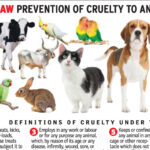
Before delving into the reporting process, it’s critical to recognize what constitutes animal cruelty. The term encompasses a myriad of actions that may inflict unnecessary suffering or distress upon animals. In Jacksonville, as in many other jurisdictions, the law defines animal cruelty broadly. This can include neglect, such as failing to provide adequate food, water, shelter, and medical care, as well as intentional acts of violence or abuse. Awareness of these distinctions will enable you to identify and report violations effectively.
Identifying Signs of Animal Cruelty
Recognizing the signs of animal cruelty is the linchpin of effective reporting. Signs may include but are not limited to:
- Weight loss or malnutrition—visible ribs or bones can indicate neglect.
- Physical injuries such as cuts, bruises, or signs of abuse.
- Inadequate shelter—animals left exposed to harsh weather conditions.
- Unclean living conditions—piles of waste, lack of hygiene, or overcrowding.
- Behavioral changes—anxiety, aggression, or withdrawal often discloses trauma.
If you observe any of these indicators, it is imperative to document your findings meticulously.
Documenting the Abuse
Before proceeding to report the situation, gather compelling evidence. Documentation can make a substantial difference in the efficacy of your report. Consider the following approaches:
- Photography: Capture clear images of the animal’s condition, environment, and any visible injuries. Ensure the date and time are noted to establish a timeline.
- Journaling: Keep a detailed account of the incidents. Note the dates, times, locations, and specific behaviors that raise concern.
- Witness Statements: If other individuals observed the abuse, encourage them to provide their accounts. Multiple eyewitnesses can corroborate your claims and strengthen your report.
The more comprehensive your documentation, the more compelling your report will be for authorities to take actionable steps.
Reporting Channels in Jacksonville
Jacksonville has several avenues for reporting animal cruelty. Familiarize yourself with these resources:
- Jacksonville Animal Care and Protective Services: The primary agency responsible for investigating animal cruelty claims is the Jacksonville Animal Care and Protective Services (ACPS). This agency not only addresses complaints but also provides educational resources for humane animal treatment.
- Local Law Enforcement: In certain cases, particularly where immediate danger to an animal is present, contacting your local law enforcement can expedite response time. Dialing 911 may be appropriate for urgent situations or when serious harm is evident.
- Animal Advocacy Groups: Numerous local animal advocacy organizations, including the Humane Society, offer support and can coordinate with authorities on your behalf. They often have experience navigating the complexities of legal and ethical considerations surrounding animal cruelty.
- Online Reporting: Many agencies now provide online submission forms where you can report concerns discreetly. Make sure to gather all required information before submitting.
Choosing the right channel will ensure that your report is properly addressed.
What to Expect After Reporting
Once you report animal cruelty, it’s natural to wonder about the next steps. Typically, the agency will initiate an investigation based on the information provided. This may include:
- Site visits to the reported location.
- Interviews with witnesses or individuals accused of the abuse.
- Assessment of the animal’s condition by qualified veterinarians.
Although the timeline for investigations can vary, it’s crucial to maintain realistic expectations. Depending on the severity of the situation, resolutions can range from warnings to criminal charges.
Confidentiality and Anonymity
Many individuals hesitate to report animal cruelty due to fears of retaliation or social repercussions. It is vital to understand that reporting agencies often provide options for anonymity. Check with the agency you’re reporting to about their confidentiality policies, as remaining anonymous can mitigate personal risk while still allowing you to advocate for the animals in distress.
Encouragement for Community Involvement
Reporting animal cruelty is a civic duty. However, being proactive in the community can make a significant difference as well. Engaging with local animal welfare campaigns, volunteering at shelters, or even fostering animals can all contribute to a healthier community for pets and their owners. Ultimately, a vigilant and compassionate community can outpace the prevalence of cruelty.
Final Thoughts
If you suspect animal cruelty in Jacksonville, take the pertinent steps to report it. Every action counts. Tackling the issue of animal cruelty requires collective societal effort and awareness. The animals who cannot speak for themselves rely on us to raise our voices for their care and protection. By understanding how to document, report, and follow through with these cases, you become an integral part of safeguarding animal welfare.